
Beautiful Plants For Your Interior
Beautiful Plants For Your Interior
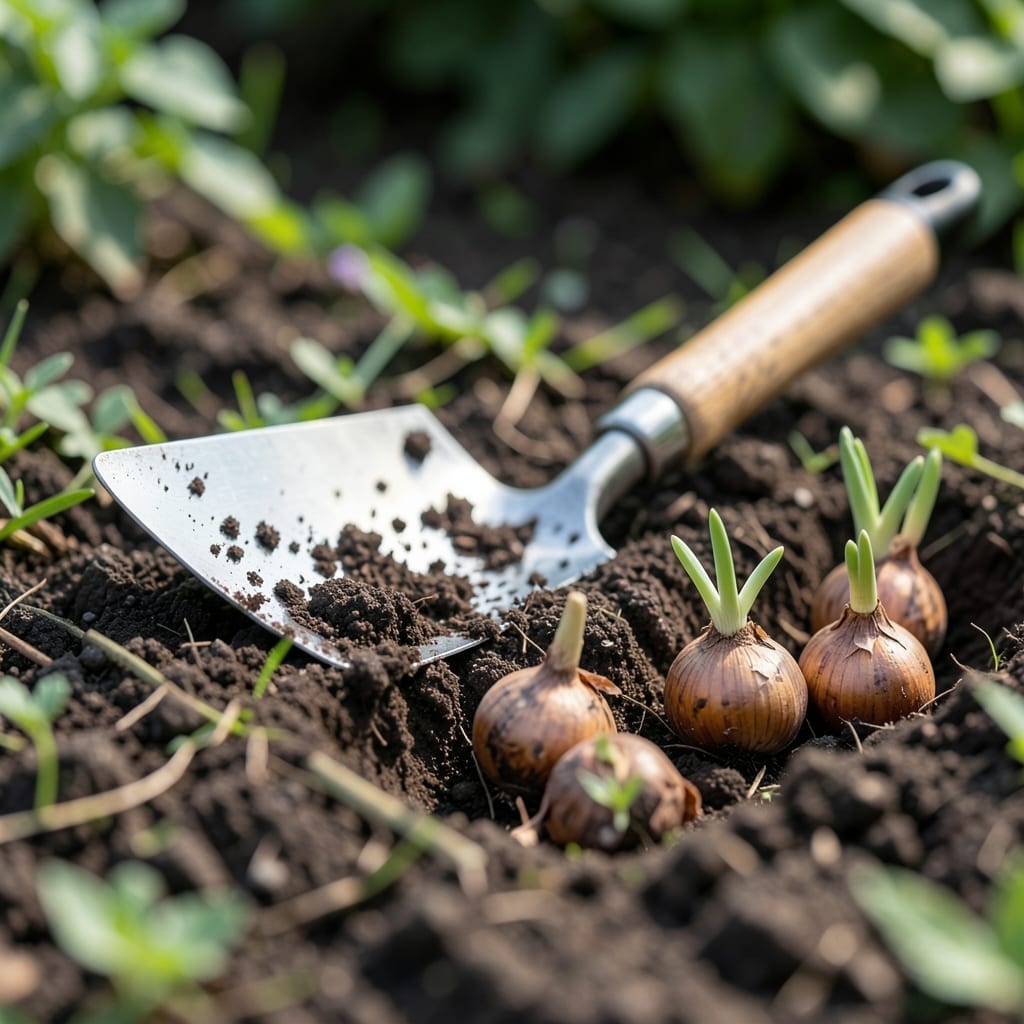
Patience is key when waiting for 🌷 Bulbs to sprout, but knowing the timeline can ease the anticipation. Whether you’re planting tulips, daffodils, or alliums, each type follows its own rhythm.
I remember my first spring garden – I nearly dug them up, thinking nothing would happen. But understanding their natural cycle changed everything. These little powerhouses need time to transform underground.
From planting in October-November or March-April, you’ll typically see green shoots in 4-8 weeks. The wait feels long, but it’s worth it when those first tender sprouts appear.
Discover what affects their growth and how to give your Bulbs the best start. The secret often lies in conditions you can control, not just the calendar.
Waiting for bulbs to sprout can test any gardener’s patience. I’ve found that tulips and daffodils often show green shoots in 2-4 weeks under ideal conditions. The timeline varies by species and environment.
For example, crocuses are early risers, often sprouting in just 1-2 weeks after planting. Meanwhile, alliums and hyacinths may take 4-6 weeks to break through the soil. These differences depend on soil temperature and moisture levels.
| Bulb Type | Sprouting Time | Key Conditions |
|---|---|---|
| Tulips | 2-4 weeks | Cool soil, well-drained |
| Daffodils | 3-5 weeks | Full sun, moderate moisture |
| Crocuses | 1-2 weeks | Early spring, partial shade |
| Hyacinths | 4-6 weeks | Rich soil, consistent water |
| Alliums | 4-6 weeks | Sunny spot, dry soil |
I always remind gardeners that soil temperature plays a huge role. Spring-planted bulbs like gladiolus may sprout in 7-14 days if the soil is warm. Cooler conditions slow the process significantly.
Fall-planted bulbs such as tulips and daffodils often sprout in spring when the soil warms. I’ve seen early bloomers like snowdrops push through the soil as soon as late winter.
For faster sprouting, I recommend pre-chilling bulbs in the fridge for 6-8 weeks before planting. This mimics winter and can speed up the process by 2-3 weeks.
Container-grown bulbs often sprout faster than those in the ground. I’ve noticed potted hyacinths can show growth in just 1-2 weeks with consistent care. The controlled environment helps.
If your bulbs aren’t sprouting, check the planting depth. Most need to be 2-3 times their height deep. Too shallow or too deep can delay sprouting or prevent it entirely.
Lastly, patience is key. Some bulbs, like fritillaria, can take 6-8 weeks to sprout. I’ve learned that consistent care and proper conditions always pay off in the end. 🌱
I’ve learned that bulb germination isn’t just about waiting. The right conditions can shave weeks off the process, while mistakes can leave you staring at bare soil. It’s all about controlling what you can.
From soil temperature to planting depth, small tweaks make a big difference. Let me break down the key variables that determine whether your bulbs sprout in 4 weeks or 8 weeks.
In my experience, soil temperature is the biggest game-changer. Bulbs planted in warmer soil (above 60°F) often sprout 2-3 weeks faster than those in cooler conditions.
A moisture balance is equally critical. Too dry, and bulbs stay dormant. Too wet, and they may rot. I aim for consistent dampness, like a wrung-out sponge.
Planting depth matters more than many realize. Too shallow, and bulbs dry out. Too deep, and they struggle to reach the surface. Follow the 2-3x height rule for best results.
Finally, sunlight exposure and bulb health complete the picture. Healthy bulbs in sunny spots almost always outperform their less-fortunate counterparts.
🌱