
Beautiful Plants For Your Interior
Beautiful Plants For Your Interior
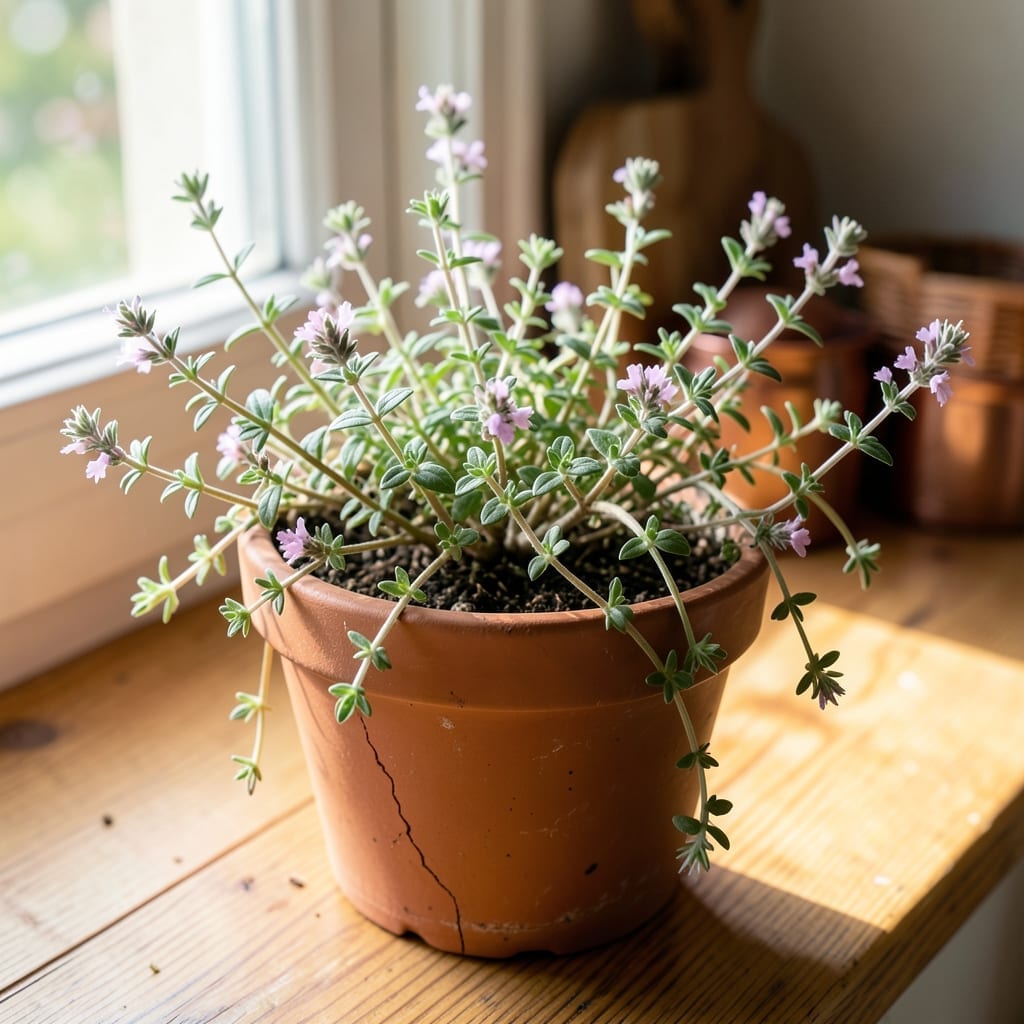
Patience is a virtue when it comes to growing Thyme 🌿, but the wait is always worth it. This fragrant herb brings both flavor and beauty to your garden, but knowing the timeline helps set proper expectations.
From seed to harvest, Thyme follows a steady rhythm that rewards careful gardeners. The journey begins with tiny seeds that sprout under the right conditions, gradually transforming into hardy plants.
I’ve learned that the key to success lies in understanding each growth stage. Whether you’re starting indoors or sowing directly, each phase brings its own requirements and joys.
Let me walk you through what to expect, from those first tender shoots to the moment you can start harvesting those aromatic leaves for your kitchen creations.

Growing Thyme from seed requires patience, as this hardy herb follows a deliberate growth timeline. The process begins with germination, which typically takes 14 to 28 days under ideal conditions. I’ve found that consistent moisture and warmth are key during this stage.
Once sprouted, Thyme seedlings develop slowly, taking 6 to 8 weeks to reach a size suitable for transplanting. This early growth phase is critical for establishing strong roots and healthy foliage. Keeping them in a sunny spot with well-draining soil makes a noticeable difference.
| Stage | Duration | Key Actions |
| Germination | 14-28 days | Keep soil moist, 70°F |
| Seedling | 6-8 weeks | Transplant carefully, harden off |
| Early Growth | 3-4 months | Water weekly, full sun |
| Full Maturity | 6-12 months | Harvest sprigs, prune regularly |
After transplanting, Thyme plants enter an early growth phase that lasts about 3 to 4 months. During this time, they focus on establishing a robust root system and producing more foliage. I recommend watering weekly and ensuring they receive full sun for at least 6 hours daily.
Reaching full maturity takes 6 to 12 months, depending on the variety and growing conditions. Common thyme tends to mature faster, while some ornamental types may take longer. Once mature, you’ll notice woody stems and dense, aromatic foliage, signaling it’s ready for harvest.
Climate and care practices significantly impact the growth speed. Warmer climates and consistent care can shave a few weeks off the timeline, while cooler temps or poor soil may extend it. I’ve seen the best results when plants are given a head start indoors.
For those eager to harvest, starting seeds indoors 8 to 10 weeks before the last frost can accelerate the process. This method allows you to transplant stronger seedlings once outdoor conditions are favorable, often leading to a quicker establishment in the garden.
Throughout the growth journey, Thyme remains relatively low-maintenance. It thrives in well-draining soil and is quite drought-tolerant once established. However, regular pruning encourages bushier growth and more abundant foliage for harvesting.
I always remind gardeners that Thyme’s slow start is part of its charm. The wait allows the plant to develop its signature aromatic oils, making the eventual harvest all the more rewarding. Plus, its perennial nature means you’ll enjoy it for years with proper care.
Keep an eye on the woody stems and dense foliage as signs your plant is nearing maturity. These visual cues are your best indicators that it’s time to start enjoying the fruits—or rather, the leaves—of your labor 🌿
While Thyme naturally follows a steady growth pace, there are ways to accelerate its development without sacrificing quality. I’ve found that starting seeds indoors gives plants a significant head start, especially in cooler climates.
Providing optimal conditions like well-draining soil and full sun helps thyme establish faster. Consistent moisture during the early stages prevents stress, while avoiding waterlogged roots keeps the plant thriving.
I always recommend using heat mats to maintain soil temperatures around 70°F during germination. This simple addition can cut germination time in half, getting your thyme off to a faster start.
Once seedlings emerge, hardening off is crucial before transplanting. Gradually exposing them to outdoor conditions over 7 to 10 days prevents shock and ensures a smoother transition to the garden.
In the garden, mulching with organic material helps retain moisture and suppress weeds, allowing thyme to focus its energy on growth. Just be sure to keep mulch away from the stems to prevent rot.
Regular pruning encourages bushier growth and more abundant foliage. I start light pruning once plants reach 6 inches tall, which also helps shape the plant and promotes air circulation.
With these techniques, you can often shave 2-4 weeks off the standard growth timeline while maintaining healthy, vigorous plants 🌿