
Beautiful Plants For Your Interior
Beautiful Plants For Your Interior
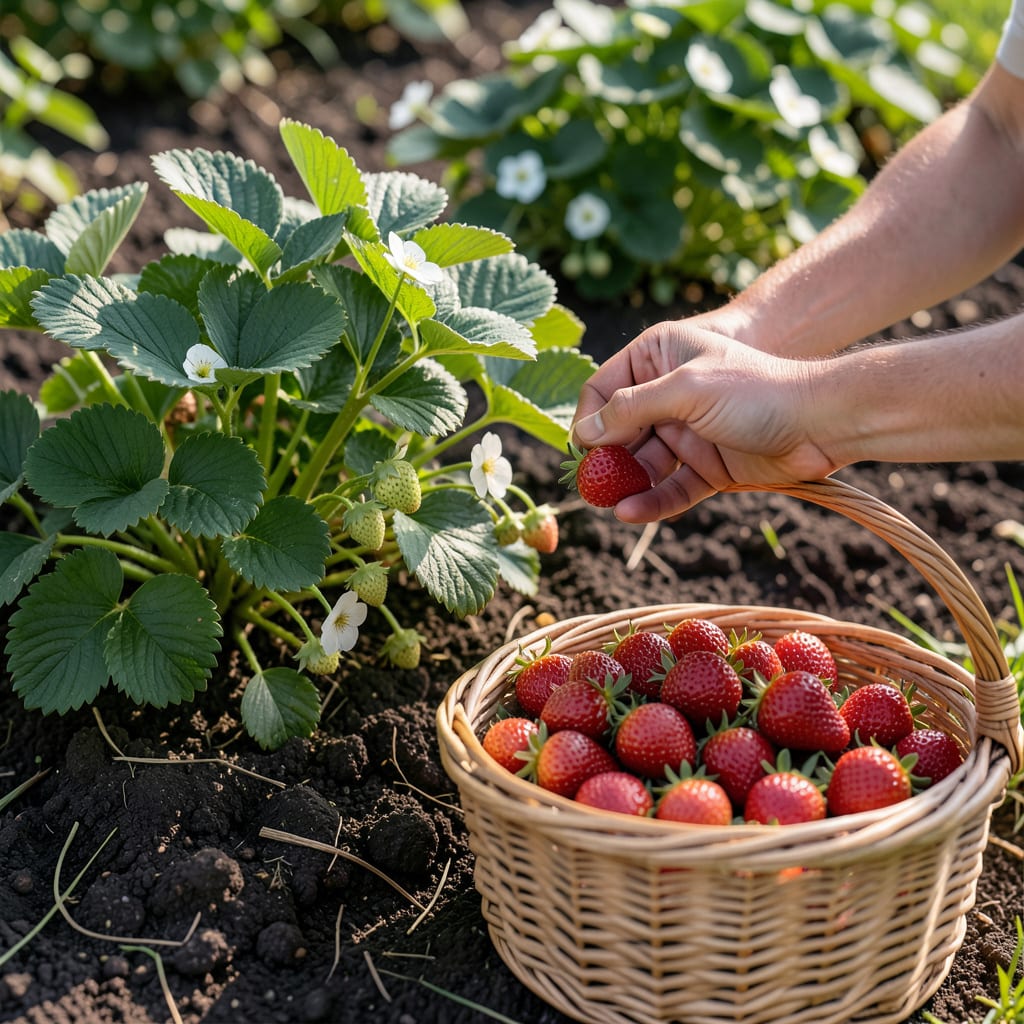
Growing Strawberry 🍓 plants is a test of patience, but the wait is worth it. From planting in spring to that first sweet bite, the journey varies by type and care.
I’ll help you understand the typical timeline and what affects it. Whether you’re a new gardener or a seasoned pro, knowing these details ensures a bountiful harvest.


If you’re wondering how long it takes to harvest strawberries, the answer depends on the variety you choose. Each type has a unique growth pattern and harvest window.
June-bearing strawberries typically produce a single, large harvest in early summer, about 90-120 days after planting. This makes them ideal for gardeners who love a big, concentrated yield.
| Variety | Time to Harvest | Harvest Window | Yield Pattern |
|---|---|---|---|
| June-Bearing | 90-120 days | Early summer | Single large harvest |
| Everbearing | 90-100 days | Spring, summer, fall | 2-3 moderate harvests |
| Day-Neutral | 70-90 days | Continuous | Steady production |
Everbearing strawberries offer more flexibility, producing 2-3 harvests per season. You can expect the first berries about 90-100 days after planting, with additional crops in summer and fall.
For those who want a steady supply, day-neutral strawberries are the best choice. These plants produce berries continuously, starting as early as 70-90 days after planting, as long as temperatures stay between 40-90°F.
Climate plays a big role too. In warmer zones, you might see berries a bit earlier, while cooler areas could delay harvest by a week or two. Always check your local frost dates for the best planting time.
I’ve found that soil temperature is just as important as air temperature. Strawberries prefer soil that’s at least 60°F for optimal growth. Using black plastic mulch can help warm the soil faster in spring.
Another factor is how you start your plants. Bare-root strawberries often take a bit longer to establish compared to potted plants, which can shave off a few weeks from your wait time.
If you’re eager for the fastest harvest, day-neutral varieties like ‘Albion’ or ‘Seascape’ are excellent choices. These can start producing in as little as 70 days under ideal conditions.
For gardeners in cooler climates, June-bearing varieties like ‘Honeoye’ or ‘Jewel’ are reliable. They’re bred to handle colder temperatures and still deliver a hearty harvest.
Remember, these timelines are general estimates. Your specific conditions—like sunlight, water, and soil quality—will influence the exact timing. But no matter the variety, the wait is always worth it for that first taste of homegrown strawberries 🌱
Several key factors influence how quickly your strawberries mature. From sunlight exposure to soil conditions, small adjustments can significantly impact your harvest timeline.
I’ve found that 6-8 hours of sun daily is ideal. Less light slows growth, while too much can stress plants in hot climates. A southern-facing spot often works best.
Soil quality matters just as much as sunlight. Strawberries thrive in loamy, slightly acidic soil (pH 5.5-6.8). Amending with compost before planting gives roots a nutrient boost.
Watering practices can make or break your timeline. Inconsistent moisture stresses plants and delays fruiting. I recommend drip irrigation to maintain even soil moisture without wetting the foliage.
Temperature plays a crucial role too. Strawberries grow fastest when air temps are between 60-80°F. In cooler spring weather, growth slows naturally, while heat waves can cause temporary pauses.
Your planting method affects the timeline as well. Bare-root plants need time to establish roots, adding 2-3 weeks compared to container-grown starters. If you’re impatient, opt for potted plants from the nursery.
Finally, fertilizer timing can speed things up. A balanced 10-10-10 applied at planting and again when flowers appear encourages robust growth without overstimulating foliage at the expense of fruit 🌱
Knowing when to pick strawberries is just as important as growing them. The perfect harvest window ensures the best flavor and prevents waste from overripe fruit.
I look for deep red color all over the berry with no green or white shoulders. The fruit should feel slightly soft to the touch and come away easily from the stem with a gentle tug.
Always pick strawberries in the morning when they’re cool. Use scissors or pinch the stem to avoid damaging the plant or fruit.
A sweet aroma is another sure sign of ripeness. If the berry smells strongly sweet at the stem end, it’s ready. Avoid picking in the heat of the day as berries can oversoften quickly.
For June-bearing varieties, harvest every 2-3 days during peak season. Everbearing and day-neutral types need checking every 1-2 days as they ripen in smaller batches continuously.
After picking, don’t wash berries until ready to eat. Store unwashed in the fridge for 3-5 days or process immediately for jams or freezing. The fresher the pick, the better the taste 🌿
Yes, potted plants establish 2-3 weeks faster than bare-root. They skip the root establishment phase, giving you berries sooner.
Most varieties produce fruit in their first growing season if planted early enough. Day-neutral types may yield in 70 days.
Warmer zones may see berries 1-2 weeks earlier. Cooler areas often experience delays. Soil temperature matters most—aim for 60°F or warmer.
Day-neutral types like ‘Albion’ can produce in as little as 70 days under ideal conditions. They’re perfect for eager gardeners!
