
Beautiful Plants For Your Interior
Beautiful Plants For Your Interior
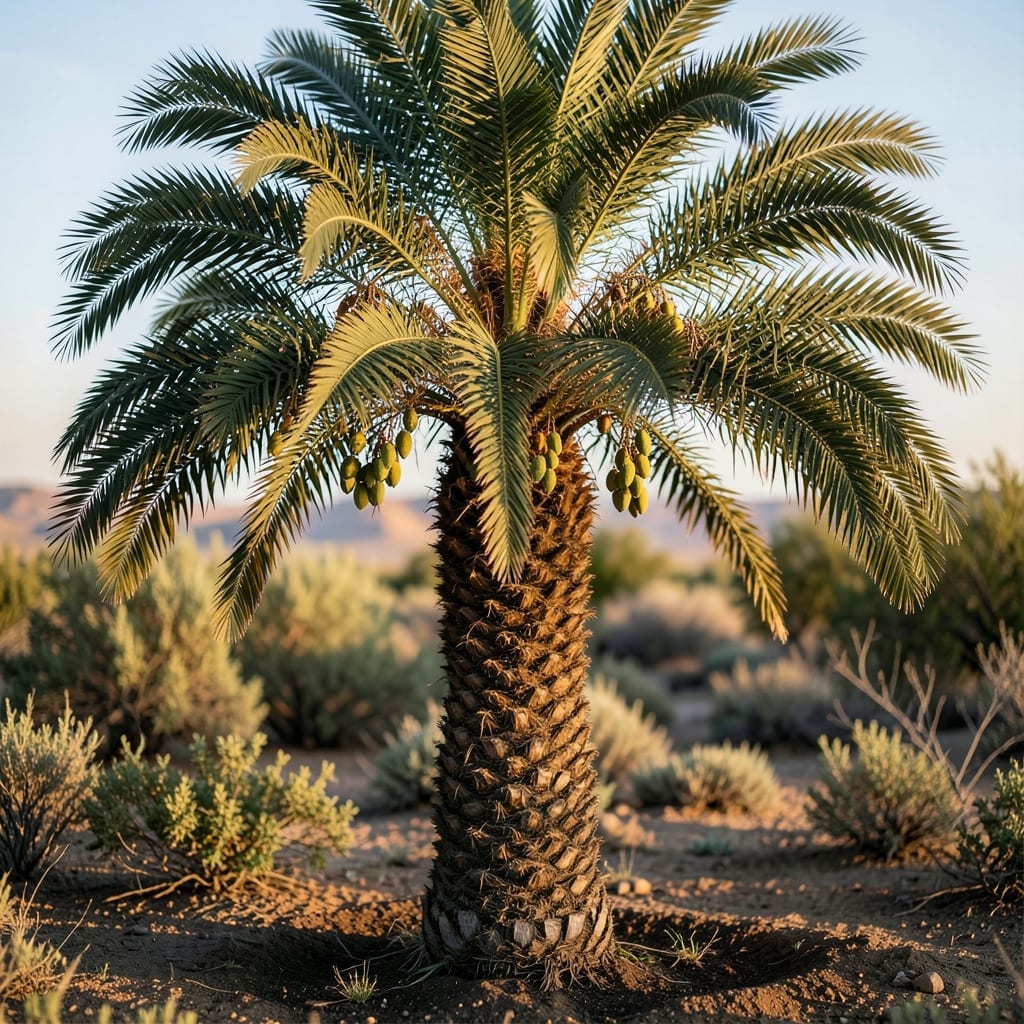
Growing a date tree from seed is a true test of patience, but the reward of fresh, sweet dates makes every year of waiting worthwhile.
If you’ve ever wondered about the timeline from seed to fruit, you’re not alone. The 🌴 Date Palm takes its time, but understanding each growth stage helps set realistic expectations.
From germination to first harvest, this long-term gardening project requires consistent care and a bit of knowledge. I’ll walk you through what to expect and how to nurture your tree along the way.
Discover the milestones that mark your Date Palm’s journey and learn how to give it the best start for a faster, healthier growth.

If you’re planting a date palm tree from seed, the first thing to know is that this is a long-term commitment. Unlike fast-growing vegetables, date trees take years to mature and even longer to bear fruit.
I’ve found that understanding each growth stage helps set realistic expectations. The journey begins with germination, which can take 2 to 6 weeks under ideal conditions. After that, the seedling stage lasts about 1 to 2 years, where the plant focuses on establishing its root system and early foliage.
During the juvenile stage, which spans about 3 to 5 years, the date palm focuses on growing a sturdy trunk and developing its iconic fronds. This is when you’ll start seeing significant height growth, often reaching 8 feet by year 3.
The maturity stage typically occurs between 5 to 10 years. At this point, your tree will have reached much of its full height, which can range from 50 to 75 feet for standard varieties. However, don’t expect fruit just yet!
Patience is key because the first fruit usually appears between 7 to 15 years after planting. This wide range depends on several factors, including the variety of date palm, your climate zone, and how well you’ve cared for the tree.
For example, Medjool date palms often start fruiting around 7 to 8 years, while other varieties like Deglet Noor may take closer to 10 to 12 years. Climate plays a huge role—date palms thrive in USDA zones 9b to 11, where warm temperatures are consistent.
Soil quality and watering practices also impact growth speed. Date palms prefer well-draining soil and need deep watering once or twice a week during the growing season. Overwatering or poor drainage can stunt growth and delay fruiting.
If you’re eager to see results faster, consider planting an offshoot instead of starting from seed. Offshoots, which are young shoots from a mature tree, can begin producing fruit in as little as 3 to 5 years. This is a great option if you want to skip the lengthy seedling stage.
No matter which method you choose, remember that growing a date palm is a marathon, not a sprint. With consistent care, the right conditions, and a bit of patience, you’ll be rewarded with delicious, homegrown dates for decades to come 🌴
If you’re eager to harvest dates sooner, there are proven ways to accelerate growth. Using offshoots instead of seeds can cut years off your timeline, as they’re genetically identical to the parent tree.
I’ve found that optimal conditions make a huge difference. Date palms thrive in USDA zones 9-11 with full sun and well-draining soil. These factors can shave years off the maturity timeline.
One of the biggest mistakes I see is overwatering. Date palms are drought-tolerant once established, and soggy soil can rot the roots. Aim for deep weekly watering in summer.
Fertilization timing is also crucial. I apply 8-2-12 fertilizer every 6-8 weeks during the growing season. This high-potassium mix supports both root development and fruit production.
For faster fruiting, consider dwarf varieties like Pygmy Date Palm. While they produce smaller dates, they often bear fruit 2-3 years earlier than standard varieties.
Remember that even with perfect care, most date palms won’t fruit until they’re at least 5-7 years old. But with these techniques, you might see your first date clusters at the earlier end of that range. ☀️