
Beautiful Plants For Your Interior
Beautiful Plants For Your Interior
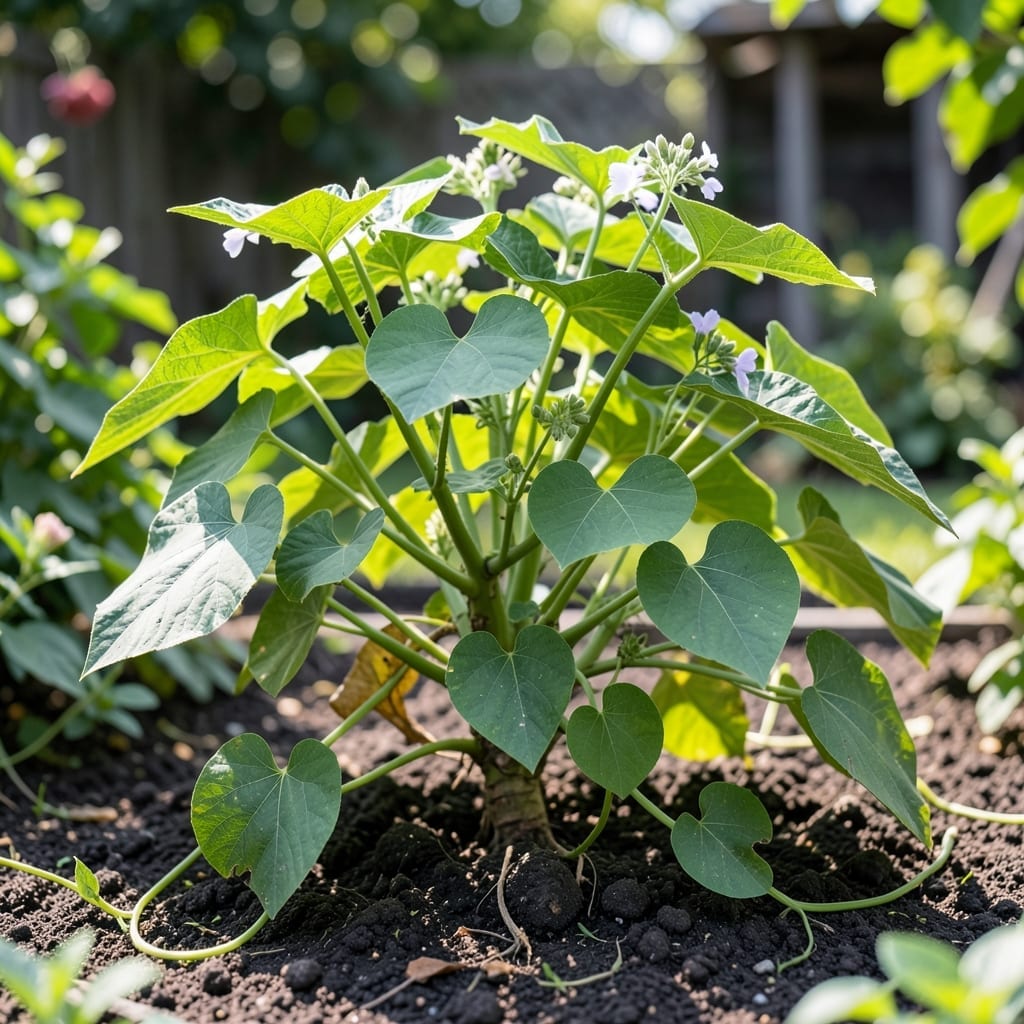
Growing Sweet Potatoes 🍠 is a rewarding experience, but knowing exactly when to harvest can make the difference between a bountiful crop and a disappointing yield.
The maturation timeline depends on several key factors that every gardener should understand. From soil temperature to variety selection, each element plays a crucial role in determining your harvest window.
Whether you’re a seasoned gardener or just starting out, understanding this process will help you plan better and harvest at the perfect time. I’ll walk you through what to expect and how to spot the signs of readiness.
Discover how to time your harvest for the best results and enjoy the fruits of your labor when they’re at their peak.


If you’ve ever wondered how long sweet potatoes take to mature, the answer isn’t one-size-fits-all. Most varieties need 90 to 170 days from planting to harvest, but this range depends heavily on your climate, soil, and the specific type you’re growing.
I’ve found that warmer soil temperatures accelerate growth, while cooler conditions can extend the timeline. Sweet potatoes thrive in loose, well-draining soil with a pH between 5.8 and 6.5, which helps tubers develop properly.
| Stage | Duration | Key Developments |
|---|---|---|
| Sprouting | 2-4 weeks | Slips root and first leaves appear |
| Vine Growth | 4-6 weeks | Rapid foliage expansion occurs |
| Tuber Formation | 6-8 weeks | Underground tubers begin developing |
| Maturity | 90-170 days | Full-size tubers ready for harvest |
The first 30 days are critical for establishing strong roots. During this period, I recommend consistent watering—about 1 inch per week—to encourage deep root systems that will support tuber growth later on.
Between 30 and 60 days, you’ll see explosive vine growth. This is when the plant focuses on above-ground development. Don’t be alarmed if your garden looks overrun; this is normal and necessary for a good harvest.
The tuber formation stage begins around 60 days and continues until harvest. This is when the magic happens underground. I’ve learned that reducing nitrogen fertilizer at this point helps prevent excessive leafy growth at the expense of tubers.
For most gardeners, 100 days is the sweet spot for harvest. Varieties like Beauregard typically mature in 100-110 days, while Georgia Jet can be ready in as few as 90 days in ideal conditions.
If you’re in a cooler climate with a shorter growing season, consider starting slips indoors 4-6 weeks before your last frost date. This gives your sweet potatoes a head start and helps ensure they mature before cold weather arrives.
Remember that soil temperature is crucial. Sweet potatoes won’t grow well if soil is below 60°F. I use a soil thermometer to monitor conditions and wait until the soil is properly warmed before planting.
Finally, watch for visual cues like yellowing leaves and slowing vine growth, which often indicate that tubers are nearing maturity. A test dig of one plant can confirm whether the rest are ready for harvest.
With proper care and attention to these stages, you’ll be rewarded with a bountiful harvest of sweet potatoes that have reached their full potential. 🌱
Choosing the right sweet potato variety can significantly impact your harvest timeline. Some types mature in as little as 90 days, while others need up to 170 days to reach full size.
Faster-maturing varieties like Georgia Jet are ideal for shorter growing seasons. They produce tender tubers quickly, often ready in 90-100 days. This makes them perfect for gardeners in cooler climates.
| Variety | Maturation Time | Best For |
|---|---|---|
| Georgia Jet | 90-100 days | Short seasons |
| Beauregard | 100-110 days | Warm climates |
| Centennial | 110-120 days | Longer seasons |
For gardeners with longer growing seasons, Beauregard and Centennial are excellent choices. These take 100-120 days but often yield larger tubers with richer flavors.
Climate plays a big role in variety selection. In warmer regions, you can experiment with slow-maturing types. In cooler areas, stick to fast-maturing varieties to ensure a successful harvest.
I always recommend checking your local frost dates before planting. This helps you pick a variety that matures before the first cold snap arrives.
Remember, soil temperature matters too. Sweet potatoes need warm soil (at least 60°F) to thrive, so don’t rush planting in the spring.
With the right variety and care, you’ll enjoy a bountiful harvest of delicious sweet potatoes 🌱