
Beautiful Plants For Your Interior
Beautiful Plants For Your Interior
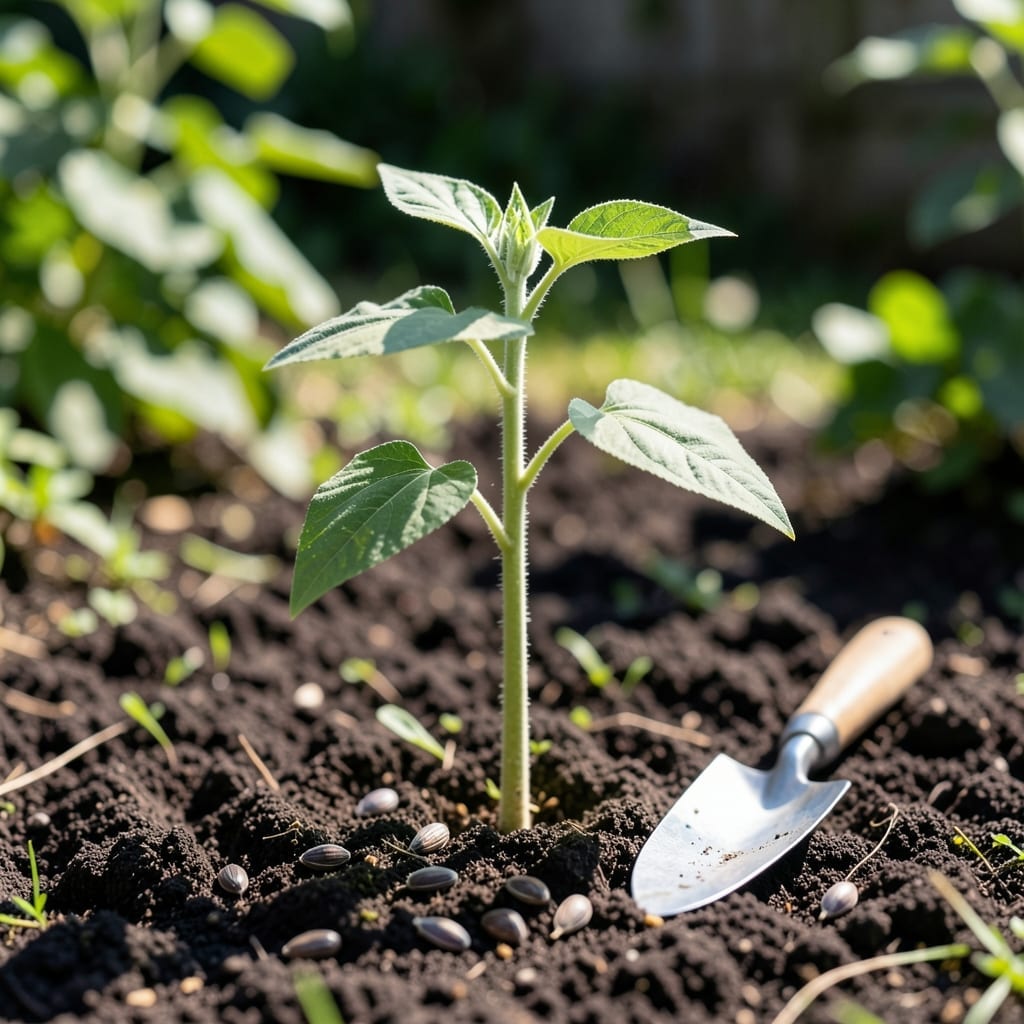
Watching Sunflower seeds transform into towering blooms is one of gardening’s most rewarding experiences. The waiting game starts with germination, and knowing the timeline helps you plan better.
I’ve learned that getting those first sprouts isn’t just about luck—it’s about understanding the right conditions. Soil temperature, moisture, and planting depth all play a key role in how quickly your 🌻 sunflowers emerge.
Discover the typical sprouting window and what you can do to encourage faster, healthier growth. Let’s break down the process so you can set realistic expectations for your garden.
I always get excited when planting sunflower seeds, but the first question on my mind is: how long until I see those first green shoots? Most sunflower varieties sprout within 7 to 14 days under ideal conditions.
In my experience, soil temperature is the biggest factor. Seeds germinate fastest when the soil is consistently between 70-85°F. Cooler soils can slow the process to 2-3 weeks or even prevent sprouting altogether 🌱
| Variety | Germination Time | Optimal Soil Temp |
|---|---|---|
| Dwarf | 5-10 days | 70-80°F |
| Standard | 7-14 days | 75-85°F |
| Giant | 10-21 days | 80-85°F |
I’ve found that planting depth matters too. Sunflower seeds should be sown 1-2 inches deep. Planting too shallow can expose seeds to drying out, while too deep may delay or prevent sprouting.
Moisture consistency is another critical factor. The soil should stay evenly moist but never waterlogged. I use a spray bottle to mist the soil surface, which prevents displacing the seeds while keeping them hydrated.
For me, the most reliable sign of germination is seeing the soil surface crack slightly as the sprout pushes through. At this stage, it’s important to maintain the same care routine to avoid shocking the delicate seedlings.
I remember one spring when I planted Moulin Rouge sunflowers in early April. The soil was still cool, and it took nearly 3 weeks to see sprouts. Once the weather warmed, the next batch I planted came up in just 8 days.
If you’re planting in containers, keep in mind that they may warm up faster than garden soil. I’ve had great success with black plastic pots that absorb heat, speeding up germination by a few days.
Remember that seed age affects germination time too. Fresh seeds from last year’s harvest will sprout faster than older seeds. I always check the expiration date on seed packets before planting.
Finally, don’t forget that light conditions play a role. While seeds don’t need light to germinate, once they sprout, they’ll need full sun to grow strong stems. I position my seed trays in a bright location as soon as I see the first green shoots 🌿
With the right conditions, you’ll be rewarded with healthy sunflower seedlings ready to transplant in no time. The key is patience and consistency in your care routine.
If you’re eager to see those first sunflower sprouts faster, I’ve tested several methods to shave days off the germination timeline. The right approach can mean seeing shoots in 5 days instead of two weeks.
I always start by pre-soaking seeds in lukewarm water for 8-12 hours. This softens the seed coat and kickstarts the germination process before planting. Just be sure to dry them slightly before sowing to prevent rot.
Heat mats are my secret weapon for early spring planting. They maintain consistent soil temperatures even when outdoor conditions are still cool. I’ve seen germination times cut in half using this method.
Another trick is choosing fast-sprouting varieties. Dwarf types like Sunspot often emerge in 5-7 days, while giant varieties can take up to 3 weeks. Always check the seed packet for estimated germination times.
I avoid overwatering at all costs. While moisture is crucial, soggy soil can cause seeds to rot before they sprout. I use a spray bottle to maintain even moisture without disturbing the seeds.
For container planting, I recommend black plastic pots. Their dark color absorbs more heat, creating a warmer microclimate that speeds up germination. Just be mindful of overheating in direct sun.
Lastly, I always test seed viability before planting. Float seeds in water—if they sink, they’re good to go. This simple test helps avoid wasting time on old, non-viable seeds 🌱