
Beautiful Plants For Your Interior
Beautiful Plants For Your Interior
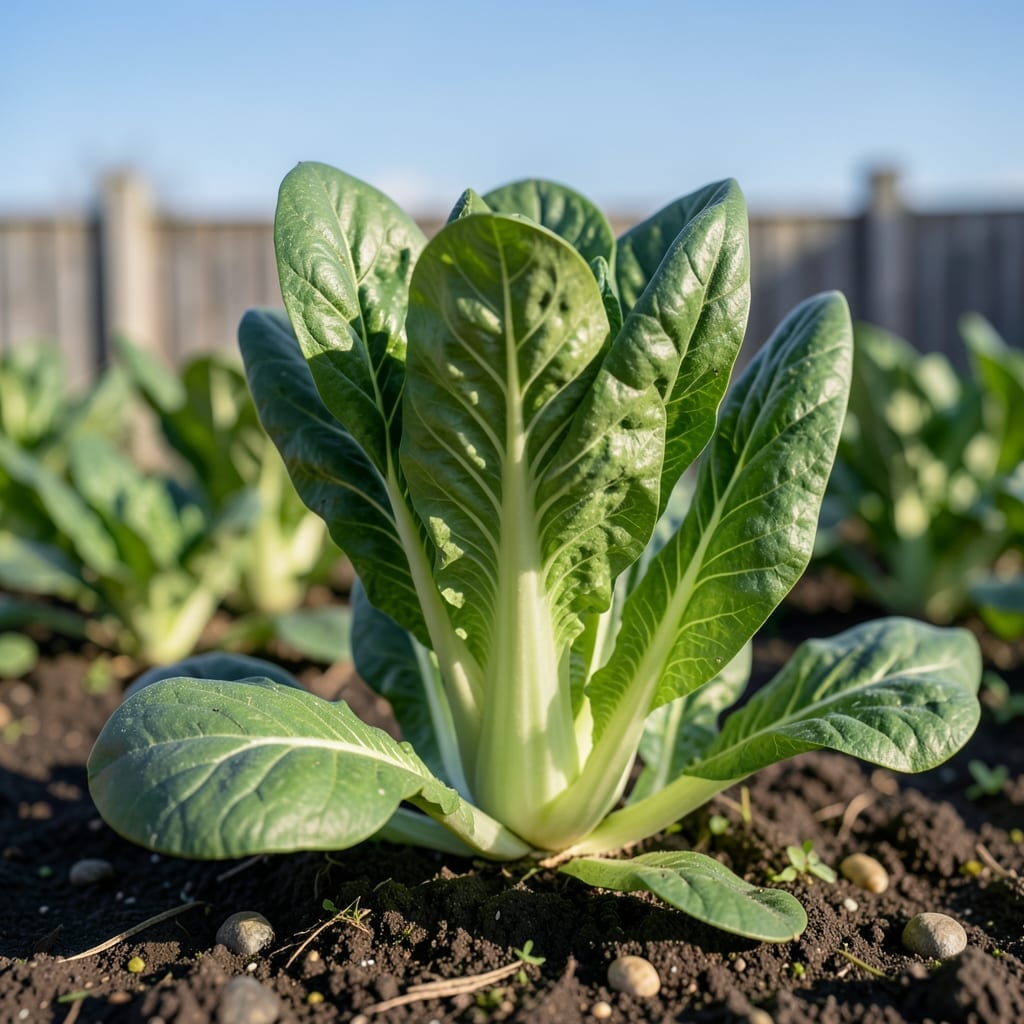
If you’re eager to harvest crisp, homegrown 🥬 Romaine Lettuce, knowing the growth timeline is key to planning your garden.
From seed to salad, the journey typically spans 55 to 85 days, depending on factors like climate and care. Whether you’re planting in spring or fall, understanding this timeline helps set realistic expectations.
Let me walk you through the stages and share practical tips to ensure your Romaine Lettuce thrives. You’ll be enjoying fresh leaves in no time.

Growing romaine lettuce is rewarding, and the timeline from seed to harvest typically ranges from 55 to 85 days. This cool-season crop thrives in spring and fall, making it a favorite for many gardeners.
I’ve found that germination usually takes 7 to 14 days, depending on soil temperature and moisture. Warmer soil speeds up sprouting, while cooler conditions slow it down.
| Stage | Duration | Key Details |
|---|---|---|
| Germination | 7-14 days | Seeds sprout; keep soil moist |
| Seedling | 21-28 days | True leaves form; thin seedlings |
| Maturation | 30-40 days | Heads form; ensure consistent water |
| Harvest | 55-85 days | Leaves firm; cut at base |
Once seedlings emerge, they’ll develop their first true leaves within 3 to 4 weeks. This is when I start thinning them to 8-12 inches apart for proper growth.
The maturation phase is critical. During this time, romaine forms its signature elongated heads, which typically takes 30 to 40 days. I
In spring, the entire process may lean toward the shorter end of the timeline, around 55-65 days, thanks to ideal temperatures. In fall, cooler weather can extend it closer to 70-85 days.
I recommend starting seeds indoors 4-6 weeks before the last frost for an early harvest. Transplanting seedlings outdoors once temperatures stabilize can also shave off a few days from the total growth time.
Watch for bolting—when romaine sends up a flower stalk. This usually happens in hot weather and can make the leaves bitter. To avoid this, I plant in partial shade during warmer months.
Harvest when the outer leaves are 8-10 inches tall and the head feels firm. You can pick individual leaves or cut the entire plant at the base. I prefer the cut-and-come-again method for a continuous supply.
With the right care, you’ll enjoy fresh romaine in just under 2 months. It’s one of the most satisfying crops to grow, especially for beginners.
Happy gardening, and enjoy your homegrown harvest!
Several key variables influence how quickly your romaine lettuce matures. I’ve learned that temperature is the biggest factor, with 60-70°F being the sweet spot for consistent growth.
Soil quality also plays a major role. Well-draining, nutrient-rich soil allows roots to establish faster, while poor soil can stall development by 10-15 days or more.
Watering consistency is often overlooked but critical. I aim for 1 inch per week, ensuring the soil stays moist but never soggy to prevent root rot or stunted growth.
Sunlight exposure directly impacts the timeline. While romaine tolerates partial shade, I’ve noticed plants in full sun mature about 5-7 days faster than those in shade.
The romaine variety you choose matters too. Slow-bolting types like ‘Parris Island’ handle heat better and may grow more consistently in warmer climates compared to traditional varieties.
Finally, planting method can shave off days. I’ve had success with transplants that give a 2-week head start over direct sowing, especially in shorter growing seasons.
🌱