
Beautiful Plants For Your Interior
Beautiful Plants For Your Interior
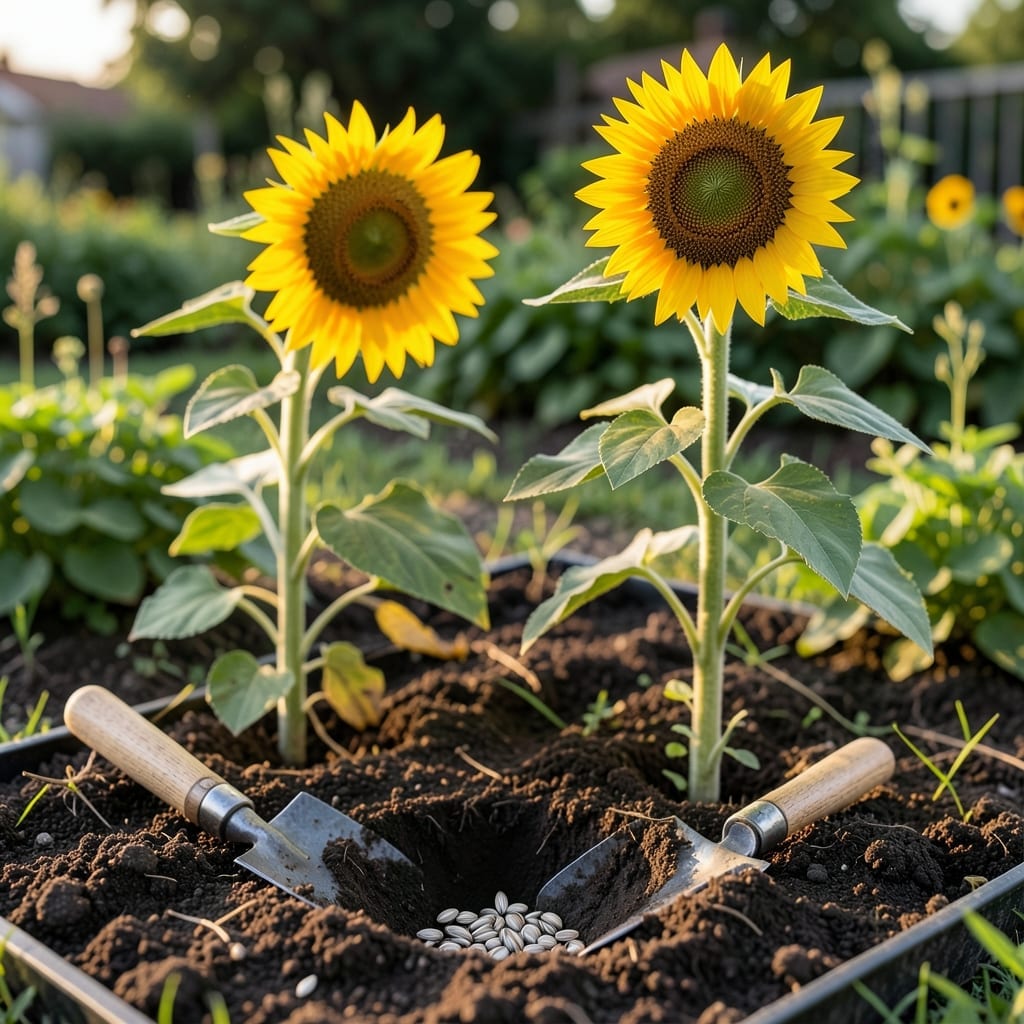
Watching Sunflower seeds sprout is one of the most rewarding experiences for gardeners. The waiting game can feel endless, but those first green shoots are worth it.
I remember planting my first 🌻 seeds and checking the soil daily, wondering when I’d see progress. The timeline varies, but understanding the process helps ease the anticipation.
Discover what to expect and how to create the best conditions for your seeds to thrive. Let’s dig into the details together.
If you’re eager to see those first sunflower sprouts, knowing the timeline helps set expectations. Most sunflower seeds germinate in 5 to 12 days under ideal conditions.
I’ve found that temperature and moisture play the biggest roles. Cooler soils slow things down, while warm, consistently damp soil speeds up sprouting. 🌱
| Stage | Timeframe | What to Expect |
|---|---|---|
| Soaking | 0-24 hours | Seeds absorb water and swell |
| Root Emergence | 3-5 days | Primary root breaks through seed coat |
| Shoot Appearance | 5-7 days | Sprout pushes above soil |
| First True Leaves | 10-14 days | Seedling develops leaves |
During the soaking stage, the seed absorbs water and begins to soften. This is critical for breaking dormancy and kickstarting growth.
The root emergence stage is exciting because it’s the first visible sign of life. I always check for tiny white roots peeking out of the seed.
Once the shoot appears above soil, you’ll see a small green loop. This is the hypocotyl, which straightens as it grows toward the light.
By the time true leaves form, your sunflower is no longer a sprout but a seedling. These leaves look different from the initial cotyledons and are a sign of healthy growth.
If your seeds take longer than 12 days, don’t panic. Cooler temperatures or dry soil can delay germination. Just keep the soil moist but not soggy.
I’ve noticed that pre-soaking seeds overnight can shave a day or two off the timeline. It’s a simple trick that gives your sunflowers a head start.
Remember, consistency is key. Fluctuating temperatures or moisture levels can stall progress. Keep conditions steady for the best results. ☀️
Once sprouted, move seedlings to bright light to prevent them from becoming leggy. A sunny windowsill or grow light works perfectly. 🌿
If you’re wondering why some sunflower seeds sprout faster than others, several key factors come into play. I’ve learned that soil temperature is the most critical variable.
Optimal soil temperature for sunflower germination is between 70-85°F. Below 50°F, seeds may take weeks or fail to sprout at all. 🌡️
Moisture consistency is another game-changer. I use a spray bottle to keep the top inch of soil damp without disturbing the seeds. Too much water can cause rot.
Planting depth matters more than you might think. Seeds planted too deep struggle to push through the soil, while shallow ones may dry out. That 1-inch depth is the sweet spot.
Sunlight exposure affects soil temperature. A sunny spot warms the earth faster, which can cut germination time by 2-3 days compared to shady areas.
Finally, seed quality plays a role. Older seeds or those stored improperly may have lower germination rates. I always check the packet date when buying. 🌱
Lastly, remember that seed varieties can vary. Some dwarf sunflowers sprout in as little as 5 days, while giant varieties may take up to 2 weeks. Always check the specific recommendations for your seeds.