
Beautiful Plants For Your Interior
Beautiful Plants For Your Interior
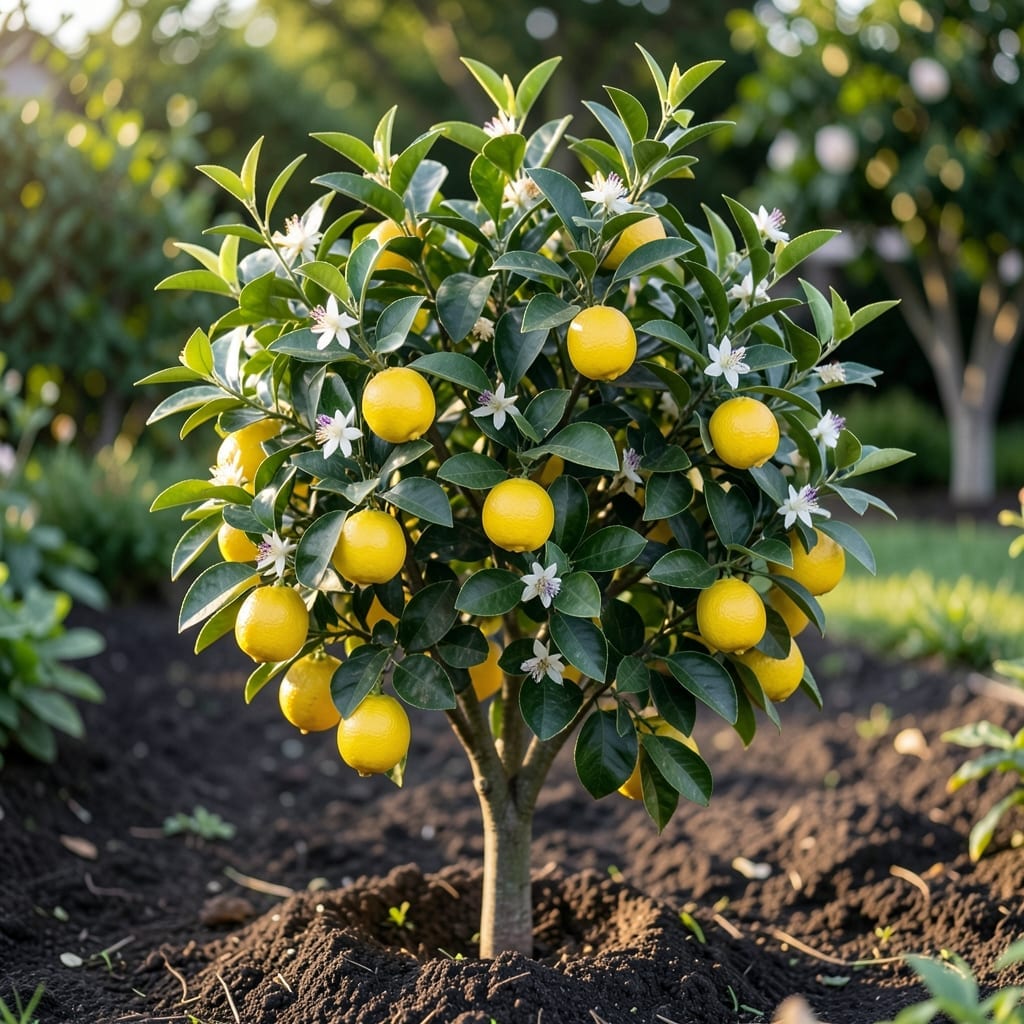
Watching your Meyer lemon tree transition from delicate blossoms to vibrant fruit is one of gardening’s most satisfying experiences. But knowing exactly when those 🍋 lemons will ripen can feel like a guessing game.
Unlike store-bought varieties, homegrown Meyer lemons follow their own seasonal rhythm. Climate, care, and tree maturity all play a role in that timeline.
Discover the key factors that determine ripening and how to spot the perfect moment to pick your citrus. Let’s make sure you don’t miss it.


Growing Meyer lemons is a rewarding process, but patience is key. From the first delicate blossoms to harvest-ready fruit, the journey can take 9 to 12 months in ideal conditions. This timeline varies based on climate, tree age, and care practices.
In warmer USDA zones 9-11, lemons may ripen faster, while cooler areas often see a slower progression. The tree’s maturity also plays a role—younger trees may take longer to produce fully ripe fruit.
| Stage | Duration | Key Indicators |
|---|---|---|
| Flowering | 2-4 weeks | Fragrant white blossoms appear |
| Fruit Set | 4-6 weeks | Small green lemons form |
| Color Change | 6-8 months | Transition from green to yellow |
| Full Ripeness | 9-12 months | Deep yellow-orange hue, soft texture |
The flowering stage kicks off the process, usually in spring or early summer. Bees and other pollinators help set the fruit, which then begins its slow transformation.
During the fruit set phase, tiny green lemons emerge. This is a critical time to ensure your tree has enough water and nutrients to support development.
The color change is the most visible sign of progress. As the lemons mature, they gradually shift from green to a vibrant yellow, often with a slight orange tint when fully ripe.
In the final stage, the fruit becomes slightly soft to the touch and emits a strong citrus aroma. This is your cue that they’re ready to pick.
Remember, Meyer lemons don’t ripen all at once. You may notice fruit at different stages on the same tree, especially if it’s producing year-round in warmer climates.
For the best results, monitor your tree regularly and adjust care as needed. Consistent watering and proper fertilization can help speed up the process, but don’t rush it—good things take time.
If you’re in a cooler zone, consider growing your Meyer lemon in a container. This allows you to move it indoors during colder months, ensuring a steady ripening process.
🌿Waiting for Meyer lemons to ripen tests any gardener’s patience, but knowing what to look for makes it easier. The most obvious sign is the color transition from green to a deep, vibrant yellow with orange undertones.
This color change doesn’t happen overnight. It’s a gradual process that signals the fruit is nearing maturity. But color alone isn’t enough—you’ll need to check other indicators too.
Texture is another key indicator. A ripe Meyer lemon will yield slightly to pressure, much like a ripe avocado. If it feels hard, it’s not ready yet. This softness develops as the fruit’s sugar content increases.
The aroma test is my favorite method. Hold the lemon near your nose—if you detect a strong, sweet citrus scent, it’s likely ready. Unripe lemons have little to no fragrance.
Don’t rely on size alone. Meyer lemons can reach full size while still green inside. Always combine size with the other ripeness signs for accuracy. A common mistake is picking too early based solely on appearance.
Finally, ripe lemons often detach easily from the stem with a gentle twist. If you have to pull hard, the fruit isn’t ready. This natural separation happens as the fruit completes its ripening process.
🌳