
Beautiful Plants For Your Interior
Beautiful Plants For Your Interior
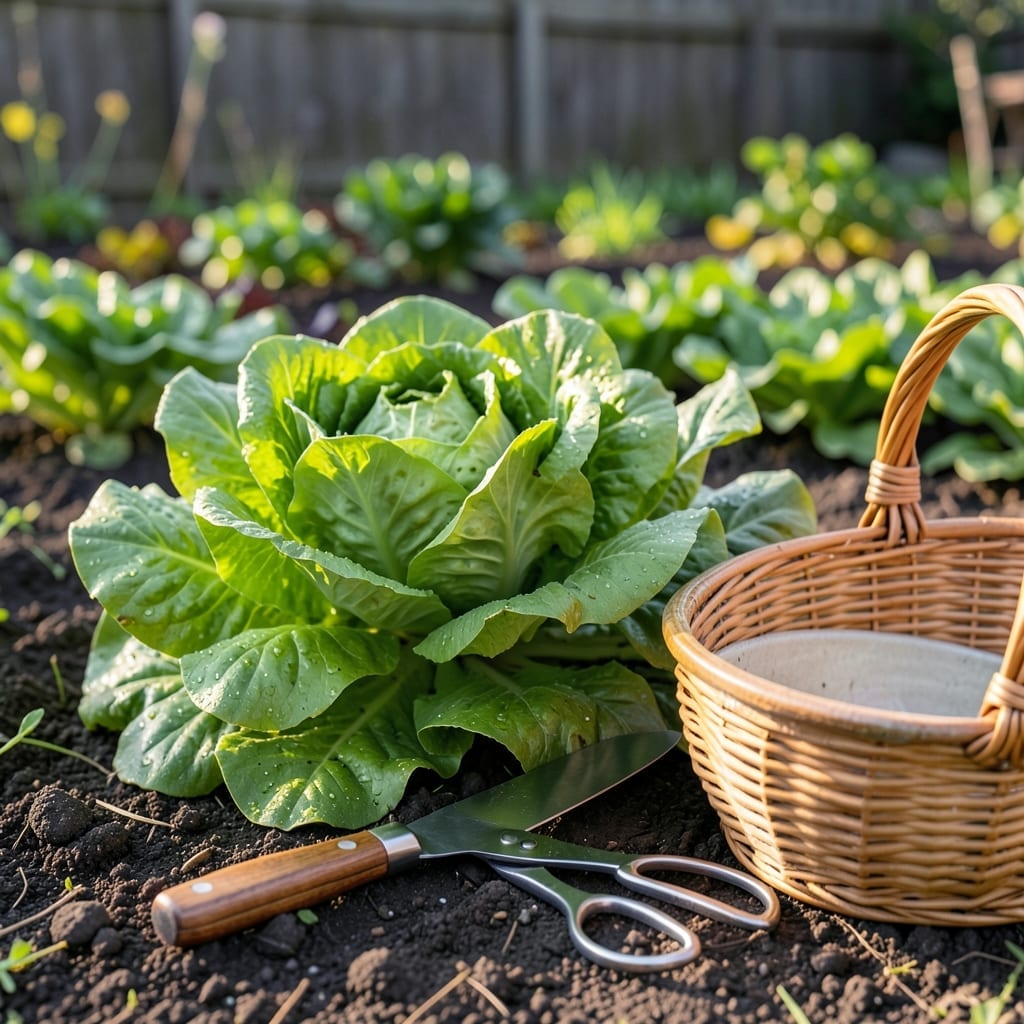
Growing Lettuce 🥬 in your garden is a rewarding experience, but timing is everything. From seed to harvest, each variety follows its own schedule, and knowing this makes all the difference.
Whether you’re a beginner or seasoned gardener, understanding the growth timeline ensures a bountiful crop. I’ll walk you through the key stages and factors that influence how quickly your greens will be ready.
Discover how to optimize growth and avoid common pitfalls that could delay your harvest. Let’s get started.

Understanding the growth timeline for lettuce helps you plan your garden effectively. Each lettuce variety has a unique schedule, influenced by factors like climate, soil, and care.
From germination to harvest, the process can range from 30 to 90 days. The key is knowing what to expect for your chosen type. 🌱
| Variety | Germination | Maturity | Harvest Window |
|---|---|---|---|
| Leaf Lettuce | 7-14 days | 30-40 days | 4-6 weeks |
| Romaine | 7-14 days | 55-65 days | 8-10 weeks |
| Butterhead | 7-14 days | 50-60 days | 7-9 weeks |
| Iceberg | 7-14 days | 70-90 days | 10-12 weeks |
The germination stage typically lasts 7-14 days for most varieties. During this period, consistent moisture and warmth are critical for success.
Leaf lettuce is the fastest, often ready in just 30-40 days. It’s perfect for gardeners who want quick results and repeated harvests. 🌿
Romaine lettuce takes a bit longer, usually 55-65 days to mature. Its upright growth habit makes it a great choice for smaller spaces.
Butterhead varieties form tender, buttery heads in 50-60 days. They prefer cooler temperatures and consistent watering.
Iceberg lettuce is the slowest, requiring 70-90 days. It needs more space and cooler conditions to develop its signature crisp head.
Climate plays a huge role in growth speed. Cooler temperatures (60-70°F) are ideal for most lettuces, while heat stress can cause bolting or stunted growth.
For the best results, I recommend starting seeds indoors 4-6 weeks before the last frost. This gives them a head start and extends your growing season. ☀️
Adjusting your lettuce growth pace can help you manage harvests better. Whether you want faster yields or slower growth for extended picking, a few tweaks make a big difference.
I’ve found that temperature control is the most effective way to influence growth speed. Cooler temps slow it down, while warmth speeds it up. 🌱
Shade cloth is perfect for hot climates. It protects plants from heat stress and prevents premature bolting, extending your harvest window.
For faster growth, ensure your lettuce gets full sun (4-6 hours daily) and rich soil with compost. I’ve seen leaf varieties ready in just 30 days with ideal conditions.
Succession planting is a game-changer. Sow new seeds every 2-3 weeks for a steady supply. This works especially well with quick-growing leaf lettuce.
If growth seems too fast, reduce watering slightly or move plants to partial shade. This slows metabolism and delays maturity, giving you more control.
Remember, consistent care is key. Sudden changes in water or temperature can shock plants, leading to uneven growth or bolting. ☀️