
Beautiful Plants For Your Interior
Beautiful Plants For Your Interior
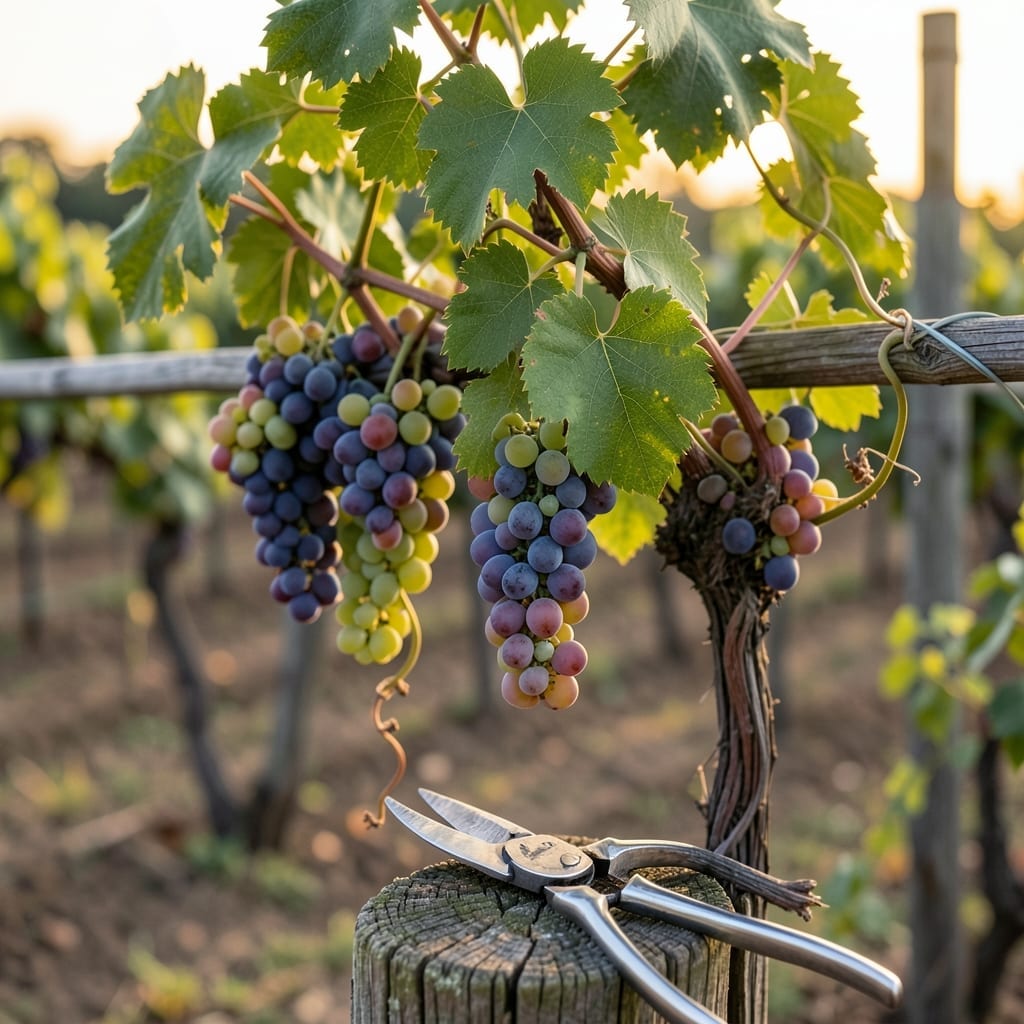
Waiting for your first homegrown 🍇 Grape Vine harvest can test any gardener’s patience. I remember planting my first vines and staring at them daily, willing fruit to appear.
What I learned is that most Grape Vines follow a consistent pattern, with the first real fruit appearing in 2-3 years. Full production typically takes a bit longer, but the wait is absolutely worth it.
Understanding this timeline helps set realistic expectations. You’ll discover the key stages of growth and what to watch for as your vines mature.
Learn how to nurture your Grape Vines through each phase and potentially accelerate that first delicious harvest. The journey from planting to picking is more rewarding than you might think.
I often get asked, “How long until my grape vines bear fruit?” The truth is, it’s a multi-year journey that rewards patience. Most vines won’t produce a meaningful harvest until years 2-3, with full production kicking in around year 4 or 5.
In the first year, your focus is on root establishment and vine growth. You’ll see vigorous shoots, but removing any flowers that form is crucial. This directs energy toward building a strong foundation for future harvests.
| Stage | Timeline | Key Action |
|---|---|---|
| Root Growth | Year 1 | Establish strong roots |
| Vine Development | Year 2 | Train main canes |
| First Fruit | Year 3 | Allow limited clusters |
| Full Production | Years 4-5 | Expect consistent harvests |
Year 2 is when things get exciting. Your vines will grow rapidly, often reaching 6-10 feet. You might see a few flower clusters, but I recommend removing them to keep the plant focused on vegetative growth.
By Year 3, your grape vines are ready to produce their first real crop. This harvest will likely be smaller than future years, but it’s a thrilling milestone. You’ll notice the vines have thicker canes and more established woody growth.
I’ve found that Year 4 is when most vines hit their stride. With proper care, you can expect a fuller harvest and more consistent fruit production. The vines are now mature enough to support multiple clusters.
In Year 5 and beyond, your grape vines will reach their peak productivity. This is when you’ll see the largest and most reliable harvests. It’s the payoff for all the patience and care you’ve invested.
Remember, these timelines can vary based on grape variety, climate, and growing conditions. For example, Concord grapes often produce faster than Cabernet Sauvignon vines.
One thing I always tell new growers: Don’t rush it. Letting your vines mature naturally ensures stronger plants and better-quality fruit in the long run. The wait really does make that first harvest taste even sweeter.
As you progress through these stages, keep an eye on the health of your vines. Strong, disease-free growth is the best indicator that you’re on track for a successful harvest in the coming years 🌿
If you’re wondering how long it takes for grape vines to produce, the answer isn’t one-size-fits-all. The timeline can vary based on several key factors, and understanding these can help you optimize growth.
From my experience, grape variety, climate conditions, and care practices all play a major role in how quickly your vines will bear fruit. Let’s break down what really makes a difference.
I’ve found that Vitis vinifera varieties, like Cabernet Sauvignon, often take longer to produce than Concord grapes. This is because some heirloom varieties prioritize vine establishment over early fruiting.
Your local climate conditions also matter. In USDA zones 7-9, vines may mature faster due to longer growing seasons. Cooler climates can slow progress, but proper care can help compensate.
Soil health is another game-changer. I always recommend testing your soil before planting. Vines thrive in loamy, well-draining soil with a pH of 6.0-6.5. Amending with compost can give them a head start.
Finally, don’t underestimate the power of pruning and training. Removing excess growth focuses the vine’s energy on fruit production rather than foliage. I prune my vines annually in late winter for the best results.
With the right approach, you can create ideal conditions for your grape vines to thrive and produce faster 🌿