
Beautiful Plants For Your Interior
Beautiful Plants For Your Interior
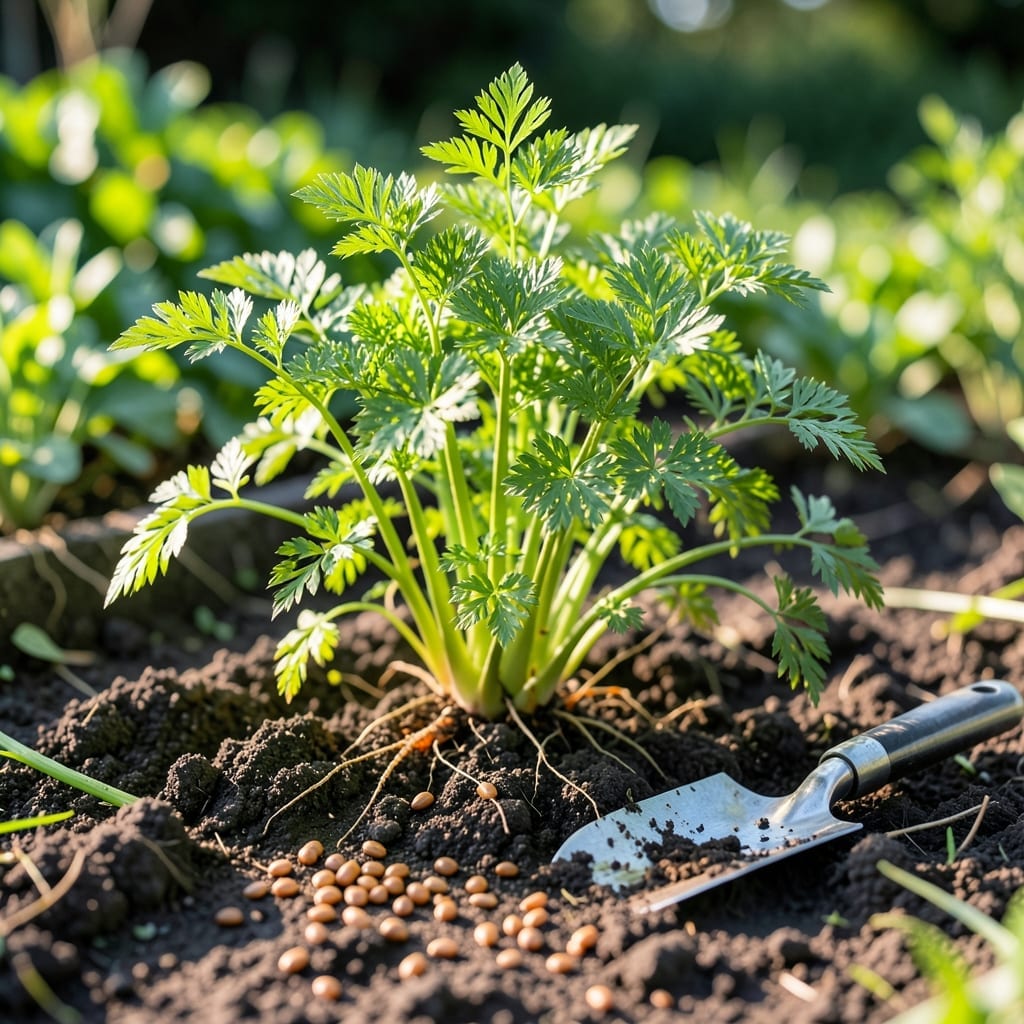
Waiting for Carrot seeds to sprout can feel like an eternity, but understanding the germination timeline helps set realistic expectations. Unlike faster crops, 🥕 have unique needs that directly impact how quickly they’ll break through the soil.
I’ve learned that patience and proper conditions are the keys to success. The right soil temperature and moisture can make all the difference in how long you’ll wait.
Discover what to expect and how to optimize your setup for faster results. Let’s get those seeds sprouting in no time.


If you’re new to growing carrots, the wait for those first green sprouts can test your patience. Typically, carrot seeds take 7 to 21 days to germinate, depending on conditions.
I’ve found that soil temperature and moisture levels play the biggest roles in speeding up or slowing down this process. Cooler soils or dry spells can push germination to the longer end of that range.
| Stage | Timeframe | Key Factors |
|---|---|---|
| Seed Planting | Day 0 | Moist soil, 60-70°F |
| Initial Sprouting | 7-10 days | Consistent watering, loose soil |
| Full Germination | 14-21 days | Warmth, no crusting |
| Seedling Growth | 21+ days | Thinning, light |
Different carrot varieties have slightly different timelines. For example, Nantes carrots often sprout faster, while Danvers types might take a bit longer but handle heavier soils better.
The first signs of life are tiny green loops breaking the surface. These are the seed leaves, not the true leaves, so don’t expect the classic carrot foliage just yet.
Soil crusting is a common issue that delays germination. I prevent this by lightly covering seeds with vermiculite or fine compost, which keeps the surface loose and breathable.
If your seeds haven’t sprouted after 3 weeks, check for moisture consistency and temperature fluctuations. Carrots won’t germinate well in soils colder than 50°F or hotter than 85°F.
Another tip: pre-soaking seeds for 24 hours can speed up germination by a few days. Just be sure to plant them immediately after soaking to avoid drying out.
Once sprouted, keep the soil evenly moist but not soggy. Overwatering at this stage can cause damping off, a fungal disease that kills young seedlings.
Thin seedlings to 2 inches apart once they’re 2 inches tall. This gives each plant enough space to develop properly and prevents overcrowding.
Remember, patience and consistent care are key. Carrots reward careful gardeners with sweet, crunchy roots worth the wait 🌱
I’ve learned that soil temperature is the biggest factor in how quickly carrot seeds germinate. The sweet spot is 60-70°F, where seeds typically sprout in 7-10 days. Any colder, and you might wait 3 weeks or more.
Consistent moisture is equally critical. I keep the soil evenly damp but never soggy, as dry spells or waterlogging can halt germination entirely.
Optimize Carrot Germination:
In cooler climates, I use black plastic mulch to warm the soil faster in spring. This can shave a week off germination time by boosting temperatures.
Row covers are another game-changer. They trap heat and moisture, creating a mini greenhouse effect. Just remove them once sprouts appear to prevent mold issues.
If your soil tends to crust, try mixing in sand or vermiculite. This keeps the surface loose, making it easier for delicate carrot seedlings to push through.
Finally, avoid planting in heavy clay or overly rich soil. Carrots prefer modest fertility—too many nutrients can cause forking or excessive foliage at the expense of root development.
With these tweaks, you’ll see those green loops breaking the surface faster than ever 🌱