
Beautiful Plants For Your Interior
Beautiful Plants For Your Interior
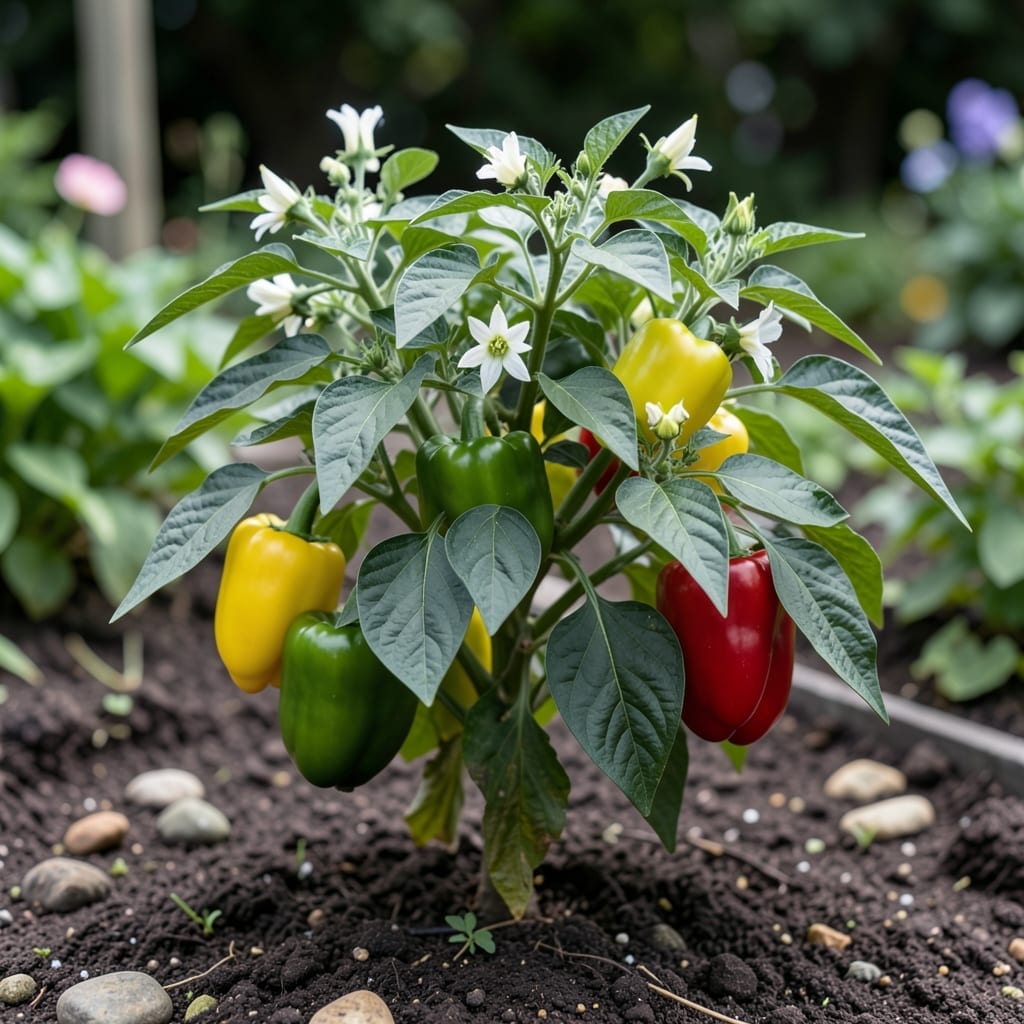
Growing Bell Pepper 🌶️ from seed to harvest is a rewarding journey, but timing is everything. Whether you’re a first-time gardener or a seasoned pro, knowing the exact timeline helps you plan perfectly.
From the moment you plant those tiny seeds to the day you pick vibrant peppers, each stage has its own rhythm. I’ll walk you through what to expect and when to expect it.
Discover how to optimize each phase for the fastest results. Let’s get started on this flavorful adventure together.

Growing bell peppers is a journey through distinct stages, each with its own timeline. From the moment you plant those tiny seeds to harvesting vibrant peppers, understanding each phase helps you plan effectively.
I’ve found that patience and precision are key. The process typically spans 70-90 days from transplanting, but the full timeline from seed to harvest can take 120-150 days, depending on the variety and conditions. Let me break it down for you.
| Stage | Duration | Key Details |
|---|---|---|
| Germination | 7-14 days | Keep soil warm at 70-80°F |
| Seedling | 6-8 weeks | Indoors under grow lights |
| Transplanting | 2 weeks | After last frost date |
| Flowering | 3-4 weeks | First white flowers appear |
| Fruiting | 6-8 weeks | Peppers form and mature |
The germination stage kicks things off, usually taking 7-14 days if the soil is kept warm and moist. I recommend using a seedling heat mat to speed this up in cooler climates.
Once sprouted, the seedling stage lasts about 6-8 weeks. During this time, ensure your seedlings get 14-16 hours of light daily. A south-facing window or grow lights work wonders.
When the outdoor temperature consistently stays above 55°F at night, it’s time to transplant. This stage takes about 2 weeks for seedlings to acclimate. Hardening them off is crucial to prevent shock.
The flowering stage follows, lasting 3-4 weeks. You’ll see delicate white flowers that will eventually turn into peppers. Be gentle with watering to avoid disturbing the blossoms.
Finally, the fruiting stage takes 6-8 weeks. This is when your patience pays off. The peppers start small and grow to their full size, changing color as they ripen. Consistent watering is key here.
Remember, these timelines can vary based on the bell pepper variety. For example, early varieties like ‘Jupiter’ may mature in 60 days, while others like ‘California Wonder’ can take 90 days or more.
In my experience, soil temperature and sunlight exposure are the biggest factors affecting growth speed. Keeping the soil at 70-80°F and providing full sun can significantly speed up the process.
With this timeline, you’ll be well-prepared to nurture your bell peppers from seed to harvest 🌱
Several key factors can accelerate or slow down your bell peppers’ journey from seed to harvest. I’ve learned that temperature is the most critical element—70-80°F soil speeds up germination, while cooler temps delay it.
Soil quality also plays a huge role. Well-draining, nutrient-rich soil with a pH of 6.0-6.8 gives your plants the best start. I always mix in compost before planting for an extra boost.
Watering habits matter more than you might think. I water my peppers deeply once a week, ensuring the soil stays moist but never soggy. Overwatering can lead to root rot, which stunts growth.
The bell pepper variety you choose makes a big difference. Early-maturing types like ‘King Arthur’ can produce in 60 days, while larger varieties may need 90 days or more. I always check the seed packet for specifics.
Your planting method affects timing too. Starting seeds indoors 8-10 weeks before the last frost gives you a head start. Transplants typically mature 2-3 weeks faster than direct-sown seeds.
Finally, fertilizer can give your plants a boost. I use a balanced 5-10-10 fertilizer every 4-6 weeks during the growing season. Just remember, too much can do more harm than good.
By optimizing these factors, you’ll maximize your harvest potential 🌱