How Long Does It Take for Beets to Mature: Harvest Timeline by Variety

How Long Does It Take for Beets to Mature: Harvest Timeline by Variety

From planting to plate, the wait for homegrown 🥬 Beet can feel endless. But understanding the exact timeline transforms that uncertainty into confidence.

I remember my first season staring at the soil, wondering if I’d ever see results. Then I discovered how simple it is to track progress when you know what to look for.

Whether you’re growing Detroit Dark Red or golden varieties, the maturation process follows a predictable pattern. The key lies in recognizing the subtle signs most gardeners miss.

Let me walk you through the stages so you’ll know exactly when your Beet crop is ready for that perfect harvest moment.

Style 16: Quick Tips – General
🌅
Morning
Pick early for best flavor & crunch
✂️
Clean Cut
Use scissors, don’t pull or twist
🔄
Check Daily
Ripeness can change overnight!

Beet Maturity Timeline by Variety: Early, Mid, and Late-Season Types

I love growing beets because they’re one of the most forgiving root vegetables in my garden. But if you’re like me, you want to know exactly when to expect those sweet, earthy roots to be ready for pulling.

The maturity timeline for beets varies by variety, but most reach harvest size in 50 to 70 days. Early varieties like Boltardy can mature in as few as 50 days, while larger types may need closer to 70 days.

Variety Days to Maturity Best For
Detroit Dark Red 55-65 days Classic flavor, storage
Boltardy 50-60 days Early harvests, bolt-resistant
Chioggia 60-70 days Striped roots, sweet taste
Golden Beet 55-65 days Mild flavor, no staining

In my experience, soil temperature is the biggest factor affecting growth speed. Beets thrive in 50-75°F soil, so planting in early spring or late summer gives them the best start.

If your soil is too cold (below 40°F), seeds may take 2-3 weeks just to germinate. I always use a soil thermometer to check conditions before planting. Consistent moisture is also key—dry spells can slow growth significantly.

For faster maturation, I recommend direct sowing seeds 2-4 weeks before your last frost date. This gives them a head start in cool spring soil. Just be sure to thin seedlings to 3-4 inches apart to prevent overcrowding.

Overcrowded beets compete for nutrients and water, which can add 10-14 days to their maturity time. I learned this the hard way my first year—my beets were tiny and stunted because I didn’t thin them properly.

Another pro tip: mulch your beet bed with straw or compost. This keeps the soil moist and cool, which is ideal for steady growth. I’ve noticed my mulched beets often mature 5-7 days faster than unmulched ones.

If you’re growing for baby beets, you can start harvesting as early as 30-40 days. These are tender and sweet, perfect for roasting or pickling. Just pull every other plant to give the rest room to reach full size.

No matter the variety, beets are ready when their shoulders (the top of the root) are 1-3 inches wide and visible above the soil. I check mine weekly once they start sizing up—nothing beats the satisfaction of pulling a perfectly mature beet from the earth. ☀️

How to Tell When Beets Are Ready for Harvest

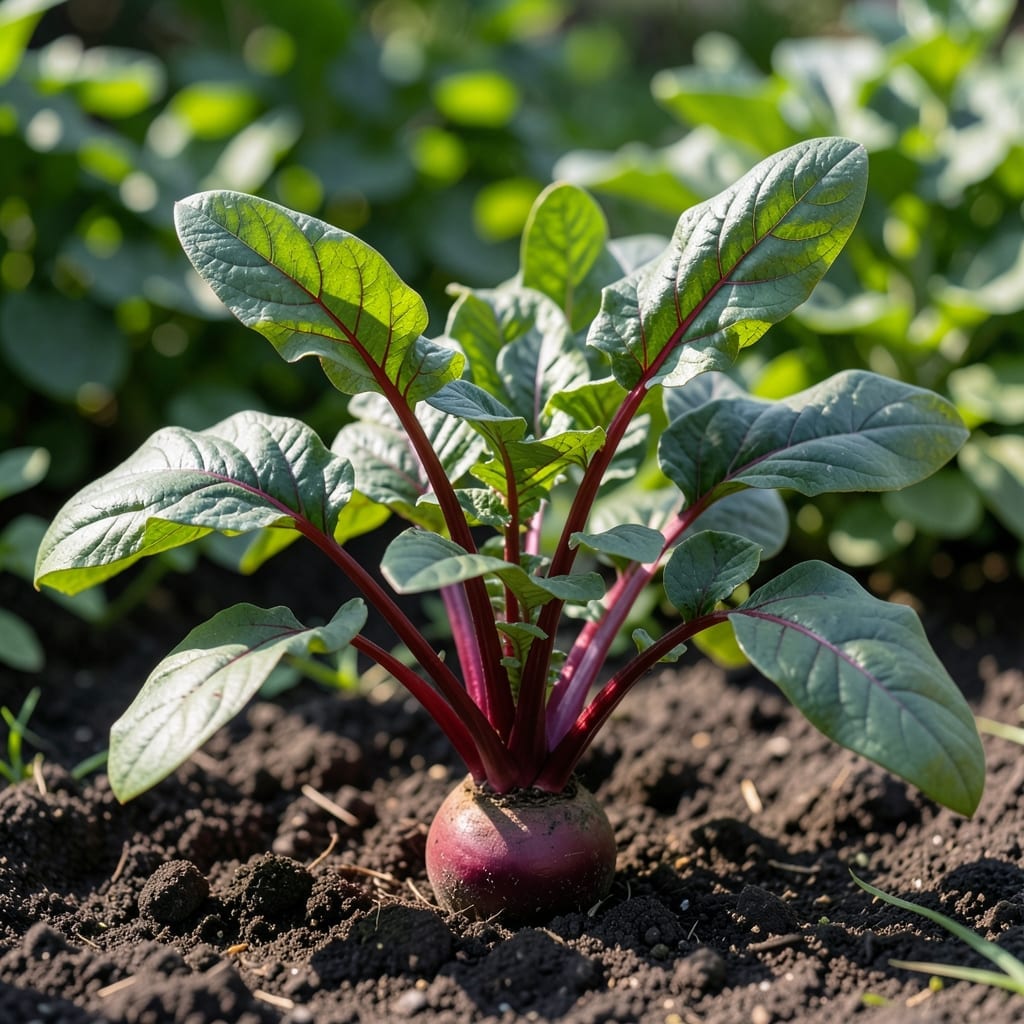
I always check for visible shoulders poking above the soil line—that’s my first sign that beets are maturing. The greens should look healthy but not overly large, which can indicate the roots are past their prime.

Another clear indicator is root size. Most beet varieties reach 1-3 inches in diameter at maturity. I gently brush away soil to check without disturbing the plant’s growth.

Signs Your Beets Are Ready

  1. Shoulders visible above soil line
  2. Roots 1-3 inches in diameter
  3. Deep, consistent color on roots
  4. Healthy greens (not wilted or oversized)

If the roots are smaller than 1 inch, I leave them in the ground a bit longer. Beets grow quickly, so checking every 5-7 days prevents missing the ideal harvest window.

A rich, deep color on the exposed part of the root signals readiness. Pale or light-colored beets usually need more time to develop their full flavor and texture. ☀️

I avoid waiting too long, as oversized beets can become tough or woody. For the best taste, I harvest when they reach the recommended size for their variety.

Consistent watering and loose soil help beets mature evenly. I

★★★★★5.0(3 reviews)