
Beautiful Plants For Your Interior
Beautiful Plants For Your Interior
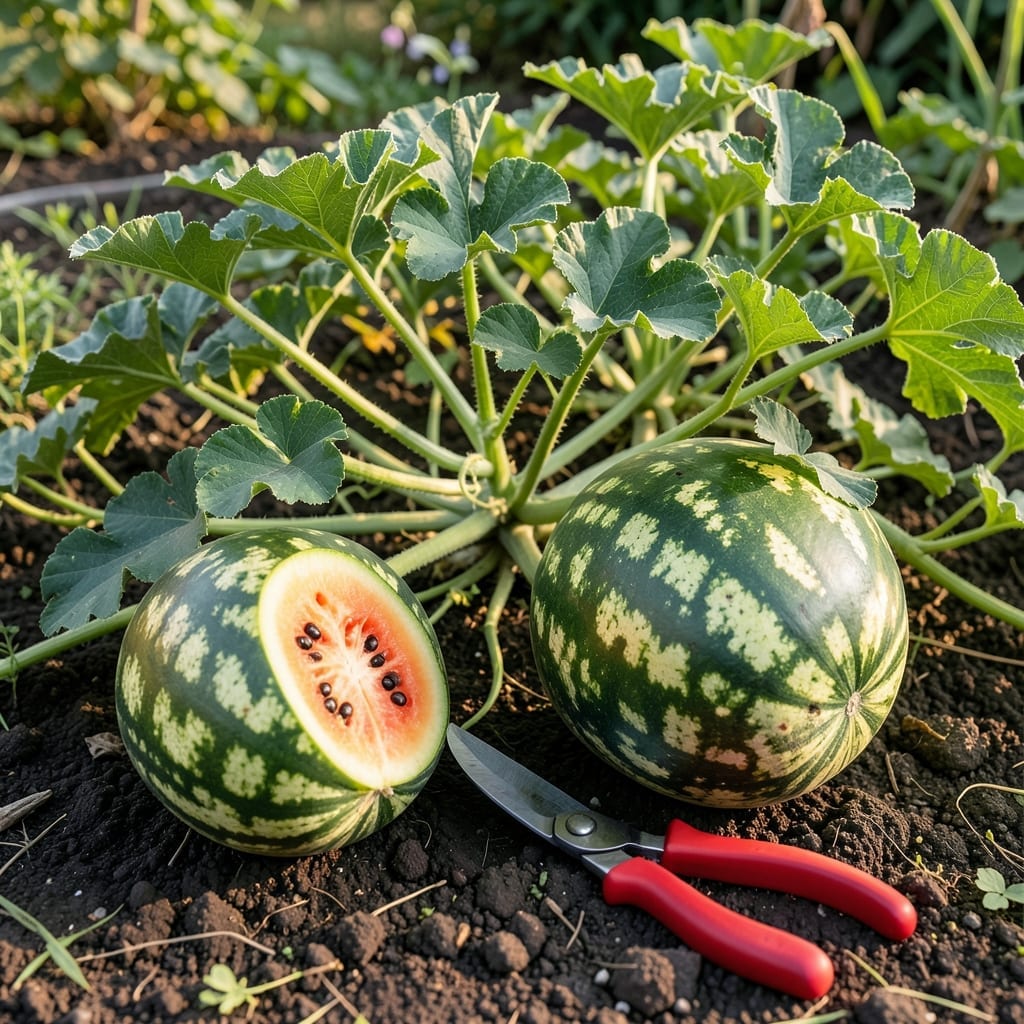
Waiting for your 🍉 Watermelon to ripen can feel like forever, but knowing the exact timeline turns guesswork into a science. Different varieties mature at surprising speeds.
From Sugar Babies to Crimson Sweet, the days to harvest vary dramatically. Climate and care play huge roles in how fast your Watermelon reaches perfection.
I’ll show you the precise ripening windows and expert tips to identify when your Watermelon is ready to pick at its peak.

If you’ve ever wondered how long it takes for a watermelon to ripen, the answer depends on the variety you’re growing. Different types have unique timelines.
Mini varieties like Sugar Baby can be ready in as little as 70 days, while larger heirlooms may need 100 days or more. Climate and care also impact the timeline.
| Variety | Days to Ripen | Notes |
|---|---|---|
| Sugar Baby | 70-75 | Small, early producer |
| Crimson Sweet | 80-85 | Classic large watermelon |
| Charleston Gray | 90-100 | Heirloom, heat tolerant |
| Seedless Hybrid | 85-90 | Needs pollinator variety |
I’ve found that soil temperature matters most. Watermelons need 70°F soil to germinate, and warmer conditions speed up ripening.
Watering consistently is key, but avoid soggy soil. Aim for 1-2 inches per week, especially during fruit development.
In cooler climates, I start seeds indoors 2-3 weeks early to extend the growing season. Black plastic mulch can also help warm the soil.
For seedless varieties, remember they need a pollinator plant nearby to set fruit. Without it, you’ll get no watermelons at all.
The tendril test is my favorite ripeness check. When the curly tendril near the stem turns brown, it’s usually ready.
Don’t forget the ground spot check. A cream-colored underside means it’s ripe, while white means it needs more time.
I always recommend keeping a garden journal to track your watermelon’s progress. Note planting dates and first signs of ripening.
☀️Timing isn’t the only way to know if your watermelon is ready. I rely on several field-tested methods that are more accurate than just counting days.
The first sign I check is the tendril near the stem. When it turns brown and dry, that’s a strong indicator your watermelon is nearing ripeness.
I always start with the ground spot check. Flip the melon over and look at where it touches the soil. A white spot means it needs more time.
The sound test is my favorite. Tap the watermelon with your knuckles. A deep, hollow sound means it’s ripe, while a high-pitched sound means it’s not ready.
For the most accurate results, I combine multiple tests. If the tendril is brown, the ground spot is cream, and it sounds hollow, it’s almost certainly ready.
Remember that seedless varieties can be trickier. They often ripen a few days earlier than their seeded counterparts, so start checking them sooner.
I’ve found that morning harvesting gives the best flavor. The melons are most hydrated after a cool night, making them sweeter and crispier.
☀️