
Beautiful Plants For Your Interior
Beautiful Plants For Your Interior
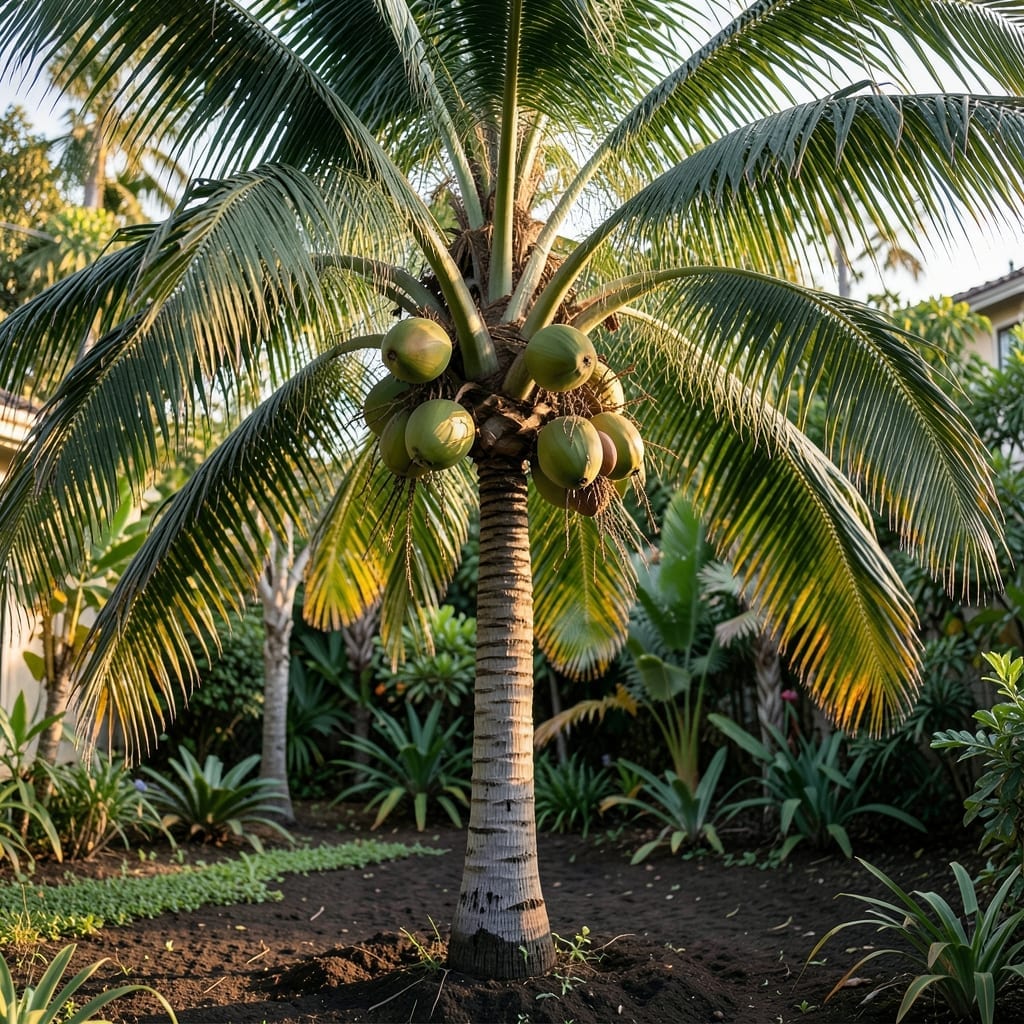
Growing a coconut tree is a lesson in patience, as this tropical giant takes years to reward you with its first harvest. I remember planting my first 🥥 and waiting what felt like forever for results.
Understanding the timeline from flower to mature coconut can help set realistic expectations. It’s not a quick process, but the payoff is well worth the wait.
Discover the stages of growth and key factors that influence how long it takes for a coconut to grow. Let’s explore this journey together.

If you’re dreaming of harvesting your own coconuts, patience is key. A coconut tree doesn’t produce fruit overnight. In fact, it can take 5 to 7 years from planting before you see your first coconut.
The journey starts with a germinated seed, which takes about 6 months to sprout under ideal conditions. Once planted, the tree focuses on establishing its root system and trunk before any fruit appears. 🌱
Once your coconut tree begins flowering, the fruit development process takes about 12 months. Each coconut goes through several stages, from a small green nut to a fully mature brown coconut ready for harvest.
The first flowers typically appear when the tree is 5 to 7 years old, but this can vary based on growing conditions. In optimal tropical climates with consistent warmth and humidity, some trees may produce fruit a bit earlier. ☀️
After pollination, the coconut fruit starts as a small green nut and gradually grows larger over the months. It takes a full year for the coconut to mature completely on the tree.
During this maturation period, the husk changes color from green to brown, and the water inside develops its characteristic taste. The tree may produce multiple coconuts in a single cluster, with each nut maturing at slightly different times.
It’s important to note that dwarf coconut varieties may begin producing fruit slightly earlier, sometimes as soon as 3 to 5 years. These smaller trees are often preferred for home gardens due to their more manageable size.
Throughout this long growth process, consistent care is crucial. Ensure your tree receives full sun, regular watering, and proper fertilization to support healthy growth and fruit production. 🌳
Remember, even after your tree starts producing, it will continue to grow in height and productivity for decades. A well-cared-for coconut tree can keep producing fruit for 60 to 80 years or more.
While 5 to 7 years is the typical timeline for a coconut tree to produce fruit, several factors can influence this duration. I’ve found that climate conditions play the biggest role in how quickly a tree matures.
Coconut trees thrive in tropical climates with consistent warmth, high humidity, and plenty of rainfall. In these ideal conditions, trees may start flowering slightly earlier than in cooler or drier regions. ☀️
In my experience, dwarf coconut varieties are a great choice for gardeners eager to see results sooner. These compact trees often begin producing faster than standard varieties and are easier to manage in home landscapes.
Another critical factor is tree age at planting. If you start with a mature sapling rather than a seed, you might shave off 1 to 2 years from the waiting period. However, younger trees establish better roots in the long run.
Don’t underestimate the impact of proper care. Consistent watering, especially during dry spells, and protection from strong winds can make a noticeable difference in your tree’s growth rate.
Finally, pollination plays a role in fruit development. Coconut trees are wind-pollinated, so planting multiple trees can improve pollination rates and lead to more consistent fruit production. 🌿