
Beautiful Plants For Your Interior
Beautiful Plants For Your Interior
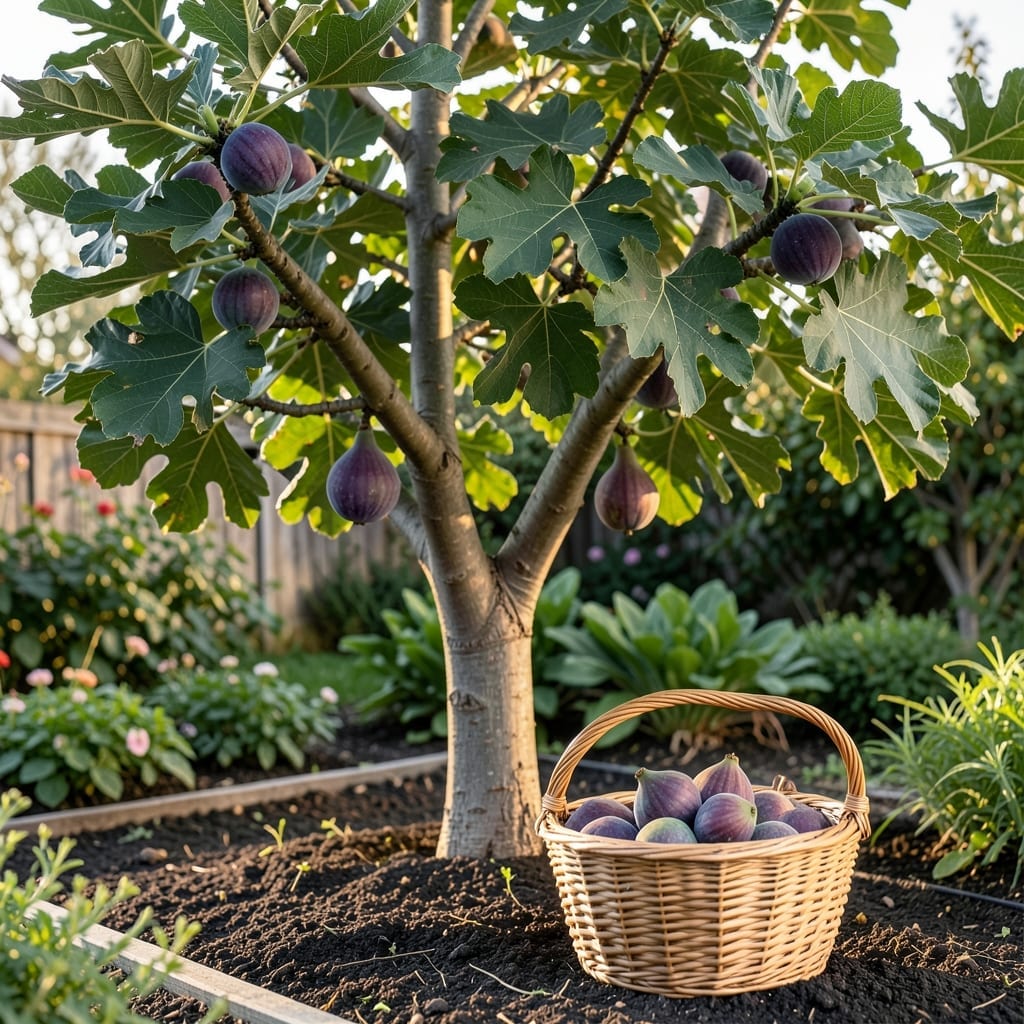
Patience is key when growing Fig Trees 🌳, as the wait for that first sweet harvest can test even the most eager gardener. Understanding the timeline helps set realistic expectations.
While some varieties may surprise you with fruit in just 1-2 years, others take longer to establish. The right care can make all the difference in how quickly your tree matures.
I’ll walk you through what to expect and how to give your Fig Tree the best start for a bountiful harvest. Let’s get growing.
If you’re wondering how long your fig tree will take to produce fruit, the answer depends on several factors. Most common fig varieties begin bearing fruit within 2-4 years when grown from cuttings.
However, trees grown from seeds may take 5-7 years or more to mature enough to produce. The variety, climate, soil conditions, and care all play significant roles in this timeline.
| Variety | First Fruit | Full Production | Climate Suitability |
|---|---|---|---|
| Celeste | 2-3 years | 4-5 years | Zones 7-10 |
| Brown Turkey | 2-4 years | 5-6 years | Zones 7-9 |
| Chicago Hardy | 3-4 years | 6-7 years | Zones 5-10 |
| Black Mission | 3-5 years | 7-8 years | Zones 7-9 |
In my experience, container-grown figs often fruit slightly sooner than those planted in ground. This is because you can control their environment more precisely, giving them optimal conditions year-round.
The Chicago Hardy variety is particularly forgiving for gardeners in cooler climates. It can handle temperatures down to 10°F (-12°C) once established, making it a popular choice for northern growers.
For the quickest results, I recommend starting with a 2-3 year old nursery plant rather than growing from seed. This gives you a head start, as the tree has already established its root system and is closer to fruiting age.
Sunlight exposure is another critical factor. Fig trees need 6-8 hours of direct sunlight daily to produce fruit reliably. In shadier conditions, expect a longer wait and potentially smaller harvests.
Watering practices also affect the timeline. While fig trees are drought-tolerant once established, consistent moisture during the first 2-3 years encourages faster growth and earlier fruiting.
Don’t forget about soil quality. Well-draining soil with plenty of organic matter helps young trees establish quickly. I’ve seen dramatic differences in growth rates between trees planted in rich soil versus poor, compacted ground.
Finally, remember that even within the same variety, individual trees can vary. Some might produce their first fruits in year 2, while others might take a year longer. Patience and consistent care are key.
🌳While you can’t rush nature, there are proven techniques to encourage your fig tree to bear fruit sooner. I’ve found that starting with a healthy nursery plant gives you a significant head start over growing from seed.
Proper planting location is crucial. Choose a spot with full sun exposure and well-draining soil to create ideal conditions for rapid growth and earlier fruiting.
I always recommend container growing for gardeners in cooler climates. This allows you to move the tree indoors during winter, protecting it from frost and potentially extending its productive life.
Another effective strategy is root restriction. Planting in a slightly smaller container or root barrier can actually stimulate fruiting as the tree focuses energy on production rather than excessive root growth.
Don’t overlook the power of proper pruning. Removing dead or crossing branches improves airflow and sunlight penetration, which can lead to earlier and more abundant fruit production.
Finally, consider your variety selection. Some figs like Celeste or Brown Turkey are known for their early fruiting habits, often producing in just 2-3 years under ideal conditions. 🌳