
Beautiful Plants For Your Interior
Beautiful Plants For Your Interior
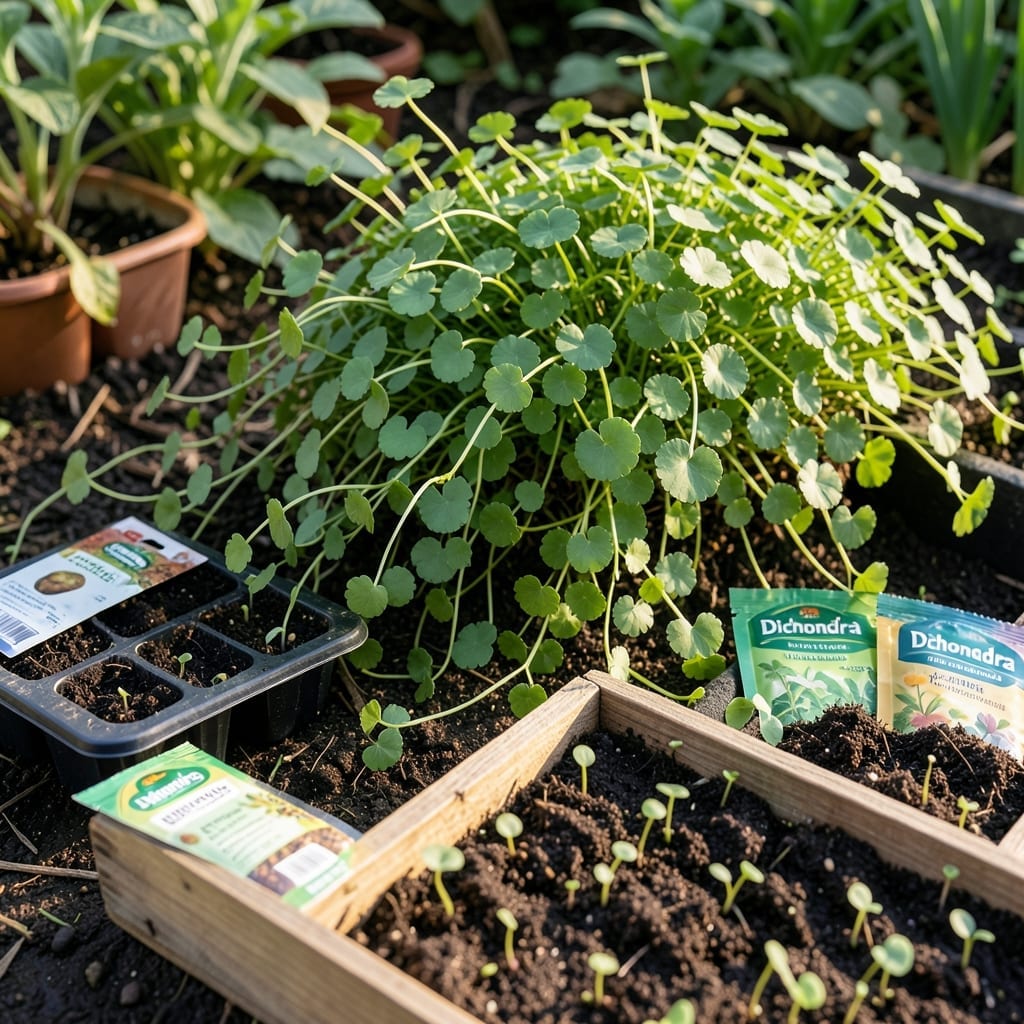
Transforming your lawn with lush 🌿 Dichondra ground cover begins with understanding its growth journey from seed. This versatile plant creates a stunning green carpet, but it demands patience and proper care to thrive.
I’ve seen many gardeners rush the process, only to be disappointed by sparse results. The timeline from seed to full coverage isn’t instant, but knowing what to expect makes all the difference.
Discover the key stages of Dichondra’s development and how to nurture it for the best results. Let’s break it down step by step.


Patience is key when growing Dichondra from seed, as the germination period typically spans 7 to 21 days. I’ve found that maintaining consistent soil moisture and warmth is critical during this phase.
Ideal conditions include a soil temperature of 70-85°F and even moisture without waterlogging. Seeds planted in cooler soil may take longer to sprout, which is a common issue I see in early spring plantings.
Once Dichondra seeds sprout, the first true leaves appear within 3-4 weeks. This is when the plant starts building its root system, so I recommend avoiding heavy foot traffic in the area.
If you notice slow germination, check your soil temperature and moisture levels. A heat mat can help in cooler climates, and I’ve had success with this method in my own garden.
The early growth stage is also when weed competition can be an issue. I always mulch lightly around my Dichondra seedlings to suppress weeds while allowing the plants to spread.
By 6-8 weeks, you should see the vines beginning to spread. This is the phase where consistent watering becomes even more important to encourage lateral growth.
I’ve learned that overwatering can be just as harmful as underwatering at this stage. The soil should be moist but not soggy, and good drainage is essential.
For the best results, I plant my Dichondra seeds in well-draining soil with a light fertilizer mixed in. This gives the young plants a nutrient boost without overwhelming them.
Remember, Dichondra is a slow starter but a fast spreader once established. The initial germination period requires patience, but the payoff is a lush green carpet that’s worth the wait. 🌿
After germination, Dichondra enters its establishment phase, which lasts about 2-4 weeks. During this time, I focus on keeping the soil consistently moist to support root development.
The spreading period begins around 6-12 weeks, when vines start extending outward. I’ve noticed that full sun and regular watering significantly boost this growth stage.
✅ Key Maturation Phases
By 3-6 months, your Dichondra should reach full maturity, forming a dense green carpet. I’ve found that soil quality plays a huge role in speeding up this process.
Sunlight is another critical factor. 6+ hours of daily sun helps Dichondra spread faster, while shady areas may slow growth. I always plant in the sunnier spots of my garden for best results.
Watering deeply 1-2 times per week encourages strong root systems. I use a soaker hose to ensure even moisture without wetting the foliage, which can lead to disease.
Remember, Dichondra is drought-tolerant once established, but consistent care during these early phases is crucial. The wait is worth it when you see that lush green ground cover taking shape. 🌱