
Beautiful Plants For Your Interior
Beautiful Plants For Your Interior
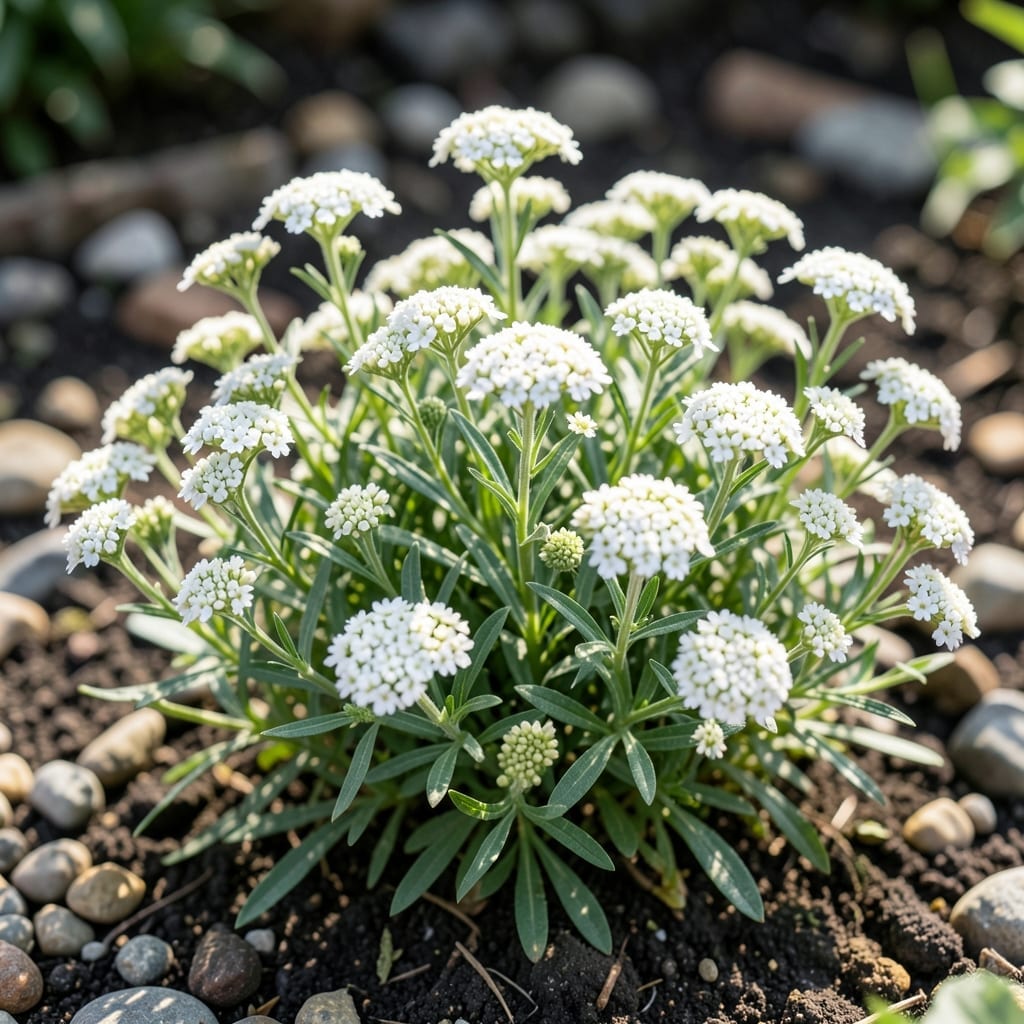
There’s something magical about watching 🌼 Alyssum transform your garden into a fragrant, colorful haven. But the big question remains: how long will this beauty last?
I’ve learned that with the right conditions, Alyssum can put on quite a show. The blooming period isn’t set in stone—it responds to your care and the environment.
From spring’s first warm days through the heart of fall, these delicate flowers can keep your garden vibrant. The secret lies in understanding their needs.
Discover how to coax the longest possible display from your Alyssum, turning your outdoor space into a season-long spectacle of color and scent.
If you’re growing sweet alyssum, you can expect a long blooming season that often lasts from spring through fall. In ideal conditions, these delicate flowers can keep blooming for 4 to 6 months without much fuss.
Most annual alyssum varieties start flowering in early spring and continue until the first hard frost. In warmer climates, they may even bloom year-round with proper care.
| Variety | Blooming Period |
|---|---|
| Annual Alyssum | Spring to first frost |
| Perennial Alyssum | Spring to early summer |
| Sweet Alyssum | 4-6 months with care |
For perennial alyssum, the blooming window is typically shorter, often just 6 to 8 weeks in spring and early summer. These types may re-bloom sporadically if conditions are right.
Climate plays a huge role in how long your alyssum flowers. In cool coastal areas, it may bloom longer due to mild temperatures. Meanwhile, in hot inland regions, intense heat can shorten the blooming period if not managed.
I’ve found that consistent watering and partial afternoon shade in scorching summers can extend blooms by several weeks. This is especially true for sweet alyssum, which thrives in moderate conditions.
In my garden, regular deadheading keeps the flowers coming. Removing spent blooms encourages the plant to produce new flowers instead of setting seed. This simple step can add weeks to the blooming season.
Another trick I swear by is light fertilization. A balanced liquid fertilizer every 4 to 6 weeks during the growing season gives alyssum the nutrient boost it needs for prolonged flowering.
If you’re in USDA zones 7-10, you might get year-round blooms with sweet alyssum. In cooler zones, it’s best treated as an annual, but you can still enjoy months of color from spring to fall.
For the longest display, plant alyssum in well-draining soil and give it full sun for at least 6 hours a day. With these conditions, you’ll be rewarded with a fragrant, colorful carpet that lasts as long as possible.
I always remind fellow gardeners that pest control matters too. Aphids and whiteflies love alyssum, so keep an eye out and treat infestations promptly to avoid premature flower drop.
I love how sweet alyssum can transform a garden with its honey-scented blooms. With the right care, you can extend its flowering season well beyond its natural timeline.
To keep those tiny white or purple flowers going strong, I focus on consistent moisture and full sunlight. Alyssum thrives with 6+ hours of sun and weekly watering during dry spells.
Extend Alyssum Blooms:
I’ve found that deadheading spent blooms is the most effective way to prolong flowering. This simple task signals the plant to produce more flowers instead of seeds.
For annual alyssum varieties, a mid-summer trim can rejuvenate the plant. I cut mine back by one-third when blooms start to fade, and it bounces back quickly.
Perennial alyssum benefits from dividing every 2-3 years. This prevents overcrowding and keeps blooms abundant. I do this in early spring before new growth starts.
Remember, well-draining soil is key. Alyssum hates soggy roots, so I always amend heavy soil with compost. This one change can dramatically improve your plant’s performance and bloom duration 🌼