
Beautiful Plants For Your Interior
Beautiful Plants For Your Interior
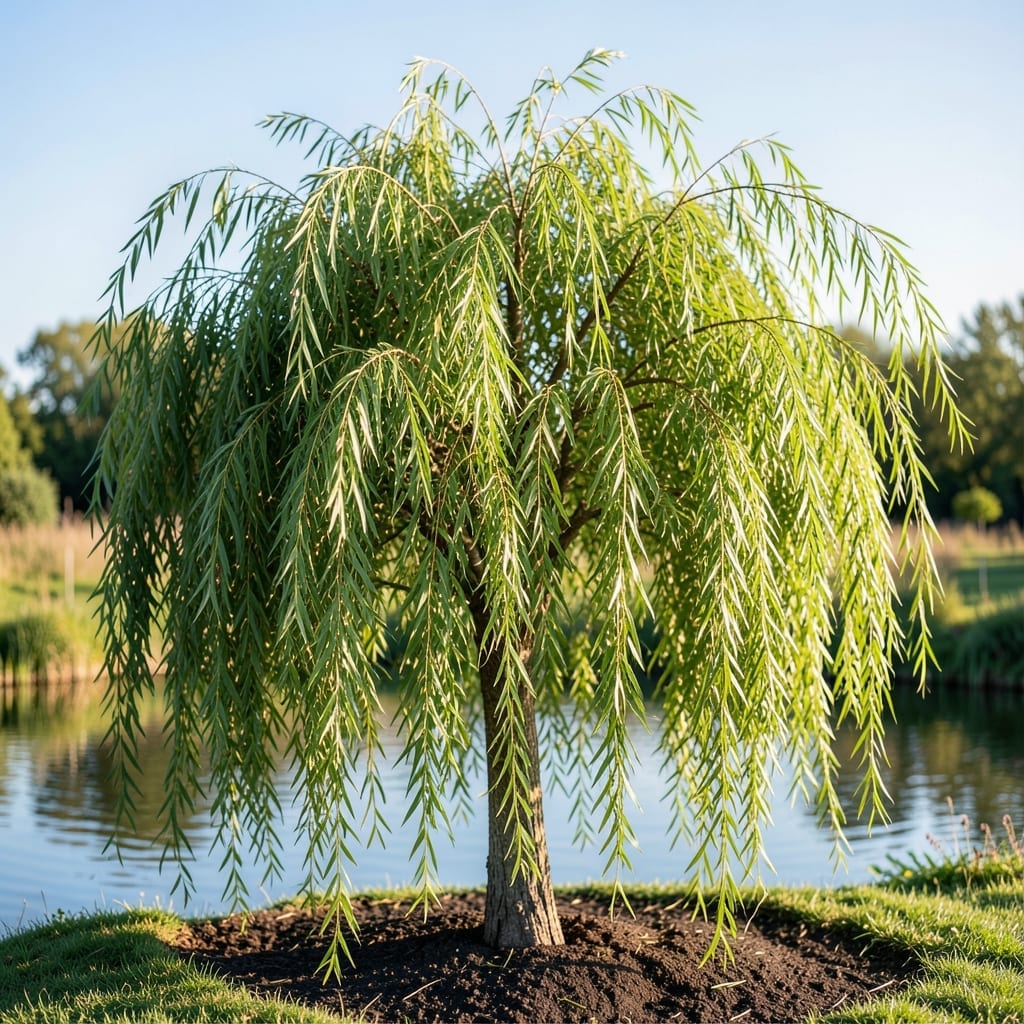
Watching a 🌳 Weeping Willow transform from a slender sapling into a graceful, cascading giant is one of gardening’s most rewarding experiences. But how long does this majestic tree actually take to grow?
If you’ve ever planted one and found yourself checking its height weekly, you’re not alone. The wait can feel endless when you’re eager to see those iconic drooping branches take shape.
Let me walk you through the typical timeline and share practical tips to help your Weeping Willow reach its full potential faster.


If you’ve just planted a weeping willow, you’re probably wondering when you’ll see those iconic drooping branches start to form. The good news is that this tree is a fast grower compared to many others.
In ideal conditions, a weeping willow can add 6 to 10 feet in its first year. That’s right—you might see dramatic changes in just 12 months if you give it the right care.
| Growth Stage | Height Range | Timeframe |
|---|---|---|
| First Year | 6-10 ft | 12 months |
| 3 Years | 18-20 ft | 36 months |
| 5 Years | 25-30 ft | 60 months |
| Mature | 30-50 ft | 10-20 years |
By year three, your weeping willow could already be 18 to 20 feet tall, with its signature weeping form becoming more pronounced. This rapid growth makes it a favorite for gardeners who want quick results.
At 5 years, expect your tree to reach 25 to 30 feet. Its canopy will start to spread, offering shade and that dramatic visual impact weeping willows are known for.
Full maturity typically occurs between 10 to 20 years, with the tree reaching its final height of 30 to 50 feet. The branches will cascade beautifully, creating a stunning focal point in your landscape.
these are average estimates. Your weeping willow’s growth rate can vary based on soil quality, water availability, and sunlight exposure. Rich, moist soil and full sun will give you the fastest growth.
If your tree seems slow to start, don’t panic. Some weeping willows take a little longer to establish their roots before they shoot up in height. Just ensure it’s getting consistent moisture and proper nutrients.
For those in cooler climates (USDA zones 4-9), growth may slow slightly during winter, but the tree will bounce back with vigor in spring. In warmer regions, growth can be nearly year-round.
Remember, while the height is impressive, the weeping branches are the real showstopper. These typically start to drap gracefully once the tree reaches about 10 feet tall, so you won’t have to wait too long for that iconic look.
With patience and proper care, your weeping willow will transform your garden into a serene, picturesque retreat 🌳
If you’re eager to see your weeping willow reach its full potential faster, I’ve got some proven tips to help speed up its growth. This tree thrives with the right conditions, and small adjustments can make a big difference.
First, focus on soil quality. Weeping willows love moist, well-draining soil that’s rich in organic matter. Amending your planting site with compost or peat moss will give your tree a strong start.
Next, watering is critical. These trees need consistent moisture, especially during their first few years. Aim for a deep soak once a week, and more often in hot, dry spells. A drip irrigation system can help maintain steady moisture levels.
Sunlight exposure is another key factor. Weeping willows need full sun to grow at their fastest rate. If your tree is in a shady spot, consider transplanting it to a sunnier location to boost its growth.
Fertilizing can also give your tree a growth boost. Use a balanced fertilizer (like 10-10-10) every 6-8 weeks during the growing season. This will provide the essential nutrients your weeping willow needs to thrive.
Finally, avoid over-pruning in the early years. While light pruning can help shape the tree, too much can slow down growth. Focus on removing only dead or diseased branches until the tree is well-established.
With these care tips, your weeping willow will grow faster and healthier, rewarding you with its stunning, cascading branches sooner rather than later 🌳