
Beautiful Plants For Your Interior
Beautiful Plants For Your Interior
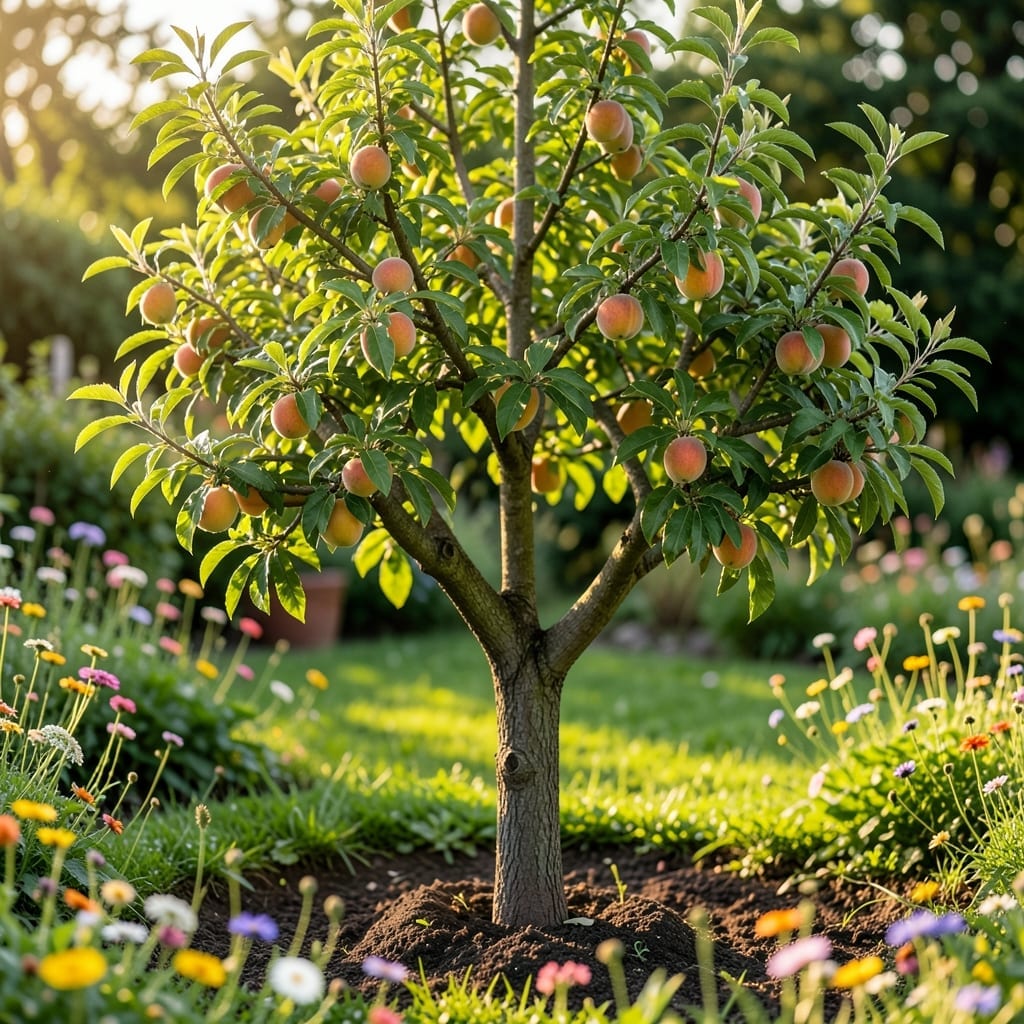
I remember planting my first Peach Tree 🍑 and wondering just how long I’d wait for those sweet, juicy fruits. The answer isn’t as straightforward as you might think – it depends entirely on how you start.
Whether you’re growing from a pit or a nursery sapling, each path has its own timeline. The journey from planting to harvest can feel like forever when you’re eager for results.
Let me walk you through the stages so you’ll know exactly what to expect. The wait is worth it when you finally bite into that first homegrown peach.


I’ve learned that growing a peach tree from seed is a test of patience. The process begins with germination, which can take 2-4 weeks under ideal conditions. Once sprouted, the seedling enters a delicate phase where it needs consistent moisture and warmth to thrive.
If you’re starting from a nursery sapling, you’ll skip the early stages. These young trees are typically 1-2 years old and ready to establish roots. Either way, understanding each growth phase helps manage expectations and care.
| Stage | Timeframe | Key Notes |
|---|---|---|
| Seed Germination | 2-4 weeks | Keep soil warm and moist |
| Sapling Development | 1-2 years | Focus on root growth |
| First Fruit (Seed-Grown) | 3-5 years | Requires grafting for consistency |
| First Fruit (Grafted) | 2-4 years | Faster due to established rootstock |
For seed-grown trees, expect to wait 3-5 years before seeing fruit. This is because the tree needs time to mature and develop strong roots. The process is slower but can be rewarding for those who enjoy the journey.
Grafted trees, on the other hand, are the faster option. Since they’re grown from established rootstock, they often produce fruit in just 2-4 years. This is why most gardeners prefer this method for quicker results.
In the first year, focus on watering and mulching to help the tree establish itself. Avoid fertilizing too heavily, as this can stress the young plant. By the second year, you can start light pruning to shape the tree.
By the third year, your peach tree should be well-established. This is when you’ll start seeing flower buds, a sign that fruit is on the way. Be patient—it’s not uncommon for young trees to drop some fruits in their early years.
Once the tree reaches maturity, typically around 4-5 years, it will produce a full harvest. At this stage, proper pruning and thinning of fruits will ensure healthier and larger peaches. Remember, consistency in care pays off.
I’ve found that climate and soil quality can also impact growth rates. Trees in warmer zones (7-9) tend to grow faster than those in cooler areas. Ensure your soil is well-draining and rich in organic matter.
Finally, keep an eye out for pests and diseases, which can slow growth. Regular inspections and organic treatments can help maintain the tree’s health and productivity. 🌿
In my experience, several key factors can either accelerate or delay your peach tree’s growth. Climate plays a huge role, with warmer zones (7-9) often seeing faster growth than cooler areas.
Soil quality is another critical element. A well-draining, nutrient-rich soil helps roots establish quickly. I always recommend testing your soil’s pH level—peach trees prefer 6.0-7.0.
I’ve noticed that tree variety makes a big difference too. Dwarf varieties often bear fruit 1-2 years earlier than standard trees. They’re also easier to manage in smaller spaces.
Care practices can make or break your timeline. Overwatering or poor drainage can stunt growth, while proper mulching helps retain moisture. I learned this the hard way with my first tree!
Another often overlooked factor is pollination. While most peach trees are self-pollinating, having another variety nearby can improve fruit set. This is especially true for some heirloom varieties.
Finally, pests like borers or diseases such as brown rot can significantly slow progress. Regular inspections and organic treatments are essential for maintaining steady growth. 🌳