
Beautiful Plants For Your Interior
Beautiful Plants For Your Interior
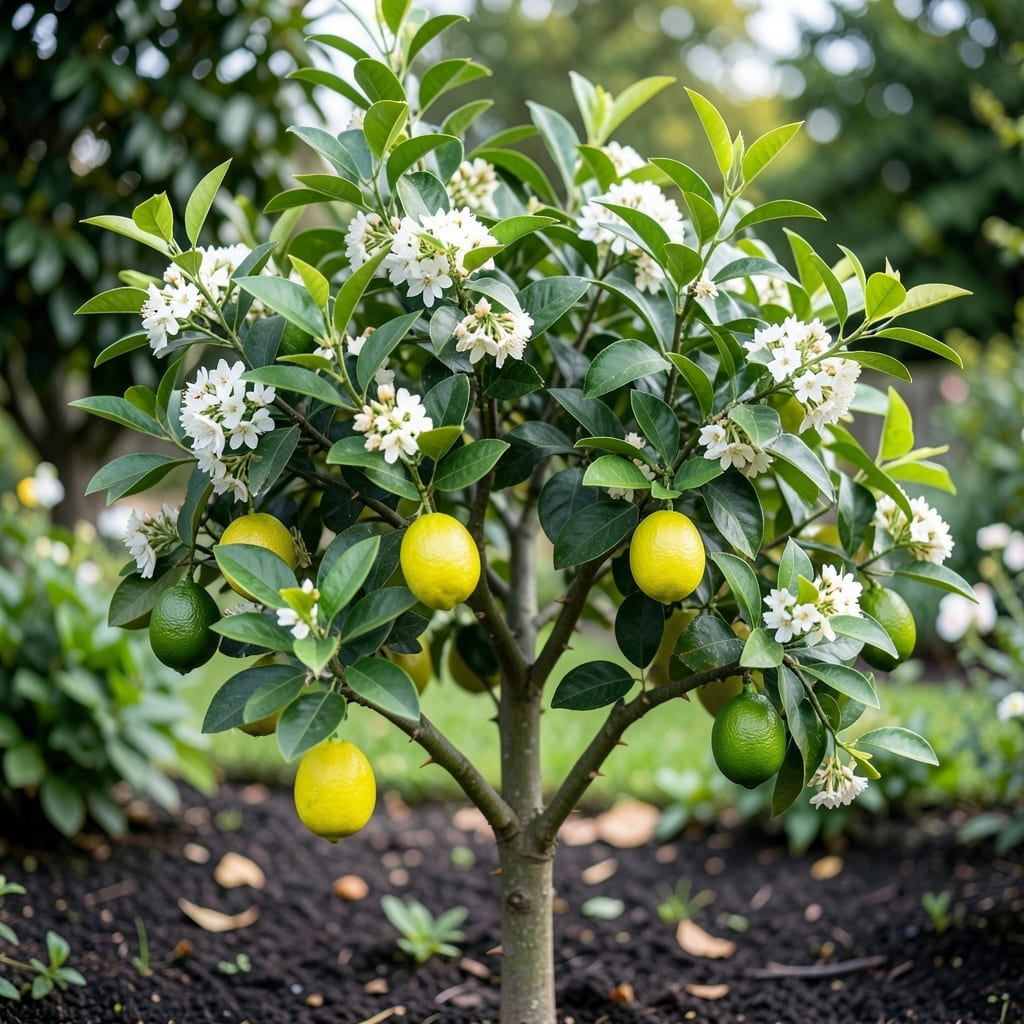
Patience is key when growing a 🍈 Lime Tree, as the wait for that first tangy fruit can test even the most eager gardener.
Whether you’re nurturing a dwarf variety in a pot or a full-sized tree in your yard, the timeline varies dramatically. From 3 to 5 years is typical, but some varieties may surprise you sooner.
I’ll break down what influences this timeline and how to spot the signs your tree is ready. Let’s set realistic expectations together.
If you’re wondering how long your lime tree will take to bear fruit, the answer depends heavily on the variety you’ve planted. Some, like the Mexican lime, may produce fruit in as little as 1-2 years under ideal conditions.
Others, such as the Bearss lime or Tahitian lime, typically take 3-5 years to mature enough for fruiting. Grafted trees often bear fruit sooner than those grown from seed.
Seed-grown lime trees can take 7-10 years or more to bear fruit, which is why most gardeners opt for grafted trees from nurseries. These have a head start, as the scion wood is already mature.
Dwarf varieties, like the Dwarf Mexican lime, are perfect for container gardening and may fruit in 2-3 years if given proper care and conditions.
I’ve found that full sun exposure and well-draining soil can significantly speed up the fruiting process. Lime trees thrive in USDA zones 9-11, where frost isn’t a concern.
If you’re in a cooler climate, consider growing your lime tree in a large pot that can be moved indoors during winter. This protects the tree and can help maintain consistent growth.
Remember, even within the same variety, individual trees may vary. Factors like watering consistency, fertilization, and pruning practices all play a role in how quickly your tree matures.
For the fastest results, I recommend starting with a 2-3 year old grafted tree from a reputable nursery. This gives you a significant head start compared to growing from seed.
With proper care and a little patience, you’ll be enjoying homegrown limes before you know it. The wait is always worth it when you pluck that first ripe lime from your own tree 🌳
While lime tree varieties have different timelines, several key factors can significantly impact when your tree will bear fruit. Understanding these can help you optimize growth and potentially shorten the wait.
From my experience, climate plays one of the biggest roles. Lime trees thrive in warm, tropical conditions and may struggle in cooler areas. This is why they’re best suited for USDA zones 9-11.
Soil quality is another critical factor. Lime trees prefer slightly acidic to neutral soil with excellent drainage. Heavy clay soils can stunt growth and delay fruiting.
Watering practices also make a difference. I’ve seen trees suffer from both under-watering and over-watering. Aim for consistent moisture while allowing the soil to dry slightly between waterings.
Pruning techniques can either help or hinder fruiting. Proper pruning encourages the development of fruiting wood, while improper pruning can remove potential fruit-bearing branches.
Finally, whether you plant in containers or in the ground affects growth rate. In-ground trees typically grow faster, while container-grown trees give you more control over conditions but may take slightly longer to fruit.
With the right combination of these factors, you can create the ideal environment for your lime tree to thrive and bear fruit as quickly as possible 🌳