
Beautiful Plants For Your Interior
Beautiful Plants For Your Interior
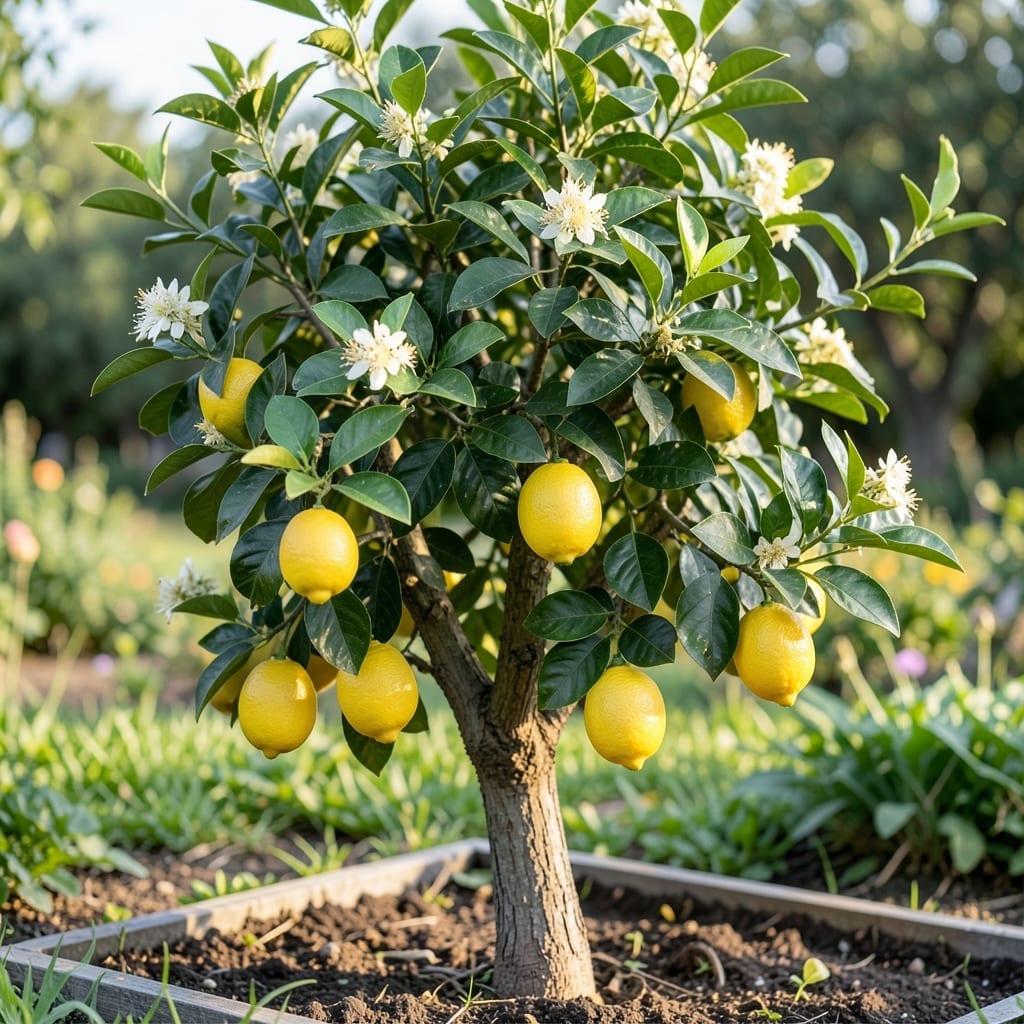
Growing a lemon tree from seed can feel like a waiting game—some gardeners see fruit in just a few years, while others wait nearly a decade. The timeline depends on factors you can control.
I’ve watched my 🍋 Lemon Tree progress from a tiny sprout to a thriving plant, and the journey is as rewarding as the harvest. Whether you’re starting from seed or a nursery sapling, knowing what to expect makes the process far more enjoyable.
Discover the key stages of growth and how to nurture your tree for the fastest results. Let’s break it down together.


If you’re growing a lemon tree from seed, expect a 3-7 year wait before seeing fruit. This timeline can feel long, but each stage brings visible progress that makes the journey rewarding.
I’ve nurtured my own lemon tree through these stages, and knowing what to expect at each milestone helps maintain patience. The first two years are the most critical for establishing strong roots and healthy growth.
| Timeframe | Key Milestones | |
|---|---|---|
| Germination | 1-4 weeks | Sprouts appear from lemon seeds |
| Seedling | 2-6 months | Develops true leaves and stems |
| Juvenile | 1-3 years | Grows to 3-6 feet tall |
| Early Maturity | 3-5 years | First blossoms appear but may drop |
| Full Maturity | 5-7 years | First lemons ready for harvest |
In the germination stage, your seed needs consistent moisture and warmth to sprout. I recommend using a seedling heat mat to speed up this process.
Once your seedling emerges, it enters a rapid growth phase. During this time, ensure it gets 6-8 hours of sunlight daily and well-draining soil to prevent root rot.
The juvenile stage is when your tree develops its structure. You’ll notice more branches and denser foliage. This is the perfect time to start light pruning to shape your tree.
By the early maturity stage, your lemon tree may produce its first flowers. Don’t be discouraged if these early blossoms don’t set fruit—this is normal as the tree focuses on growth.
Full maturity is the most exciting stage. Your tree will finally produce edible lemons, though the fruit may be smaller in the first year. With proper care, your tree can continue bearing fruit for decades.
Remember, grafted lemon trees from nurseries often fruit sooner, sometimes in as little as 2-3 years. This is because they’re already past the juvenile stage when you plant them.
Throughout all stages, consistent watering and balanced fertilization are key. I’ve found that organic citrus fertilizer works wonders for promoting healthy growth and abundant fruit.
Patience truly is a virtue when growing lemon trees. But with the right care and attention, you’ll be rewarded with beautiful blossoms and delicious lemons for years to come 🌿
Your lemon tree’s growth rate isn’t set in stone. I’ve learned that 5 key factors can either accelerate your harvest or add years to your wait. Understanding these lets you take control of the timeline.
From my experience, even small adjustments in care can shave 1-2 years off your tree’s path to fruit. The most impactful changes start with your planting location and daily habits.
Warm climates (70-85°F) speed growth. Cold slows it dramatically.
Well-draining soil with pH 6-7 prevents root stress and boosts growth.
Deep watering 1-2 times weekly beats frequent shallow watering.
Citrus-specific fertilizer every 4-6 weeks fuels rapid development.
Ground planting outperforms containers for faster growth and yield.
In my garden, I noticed a 30% faster growth when I moved my potted lemon tree to a sunny ground bed. The roots had more space to expand, and the tree responded with vigorous new growth.
Temperature swings can be particularly stressful. I protect my young trees with frost cloth when nights drop below 50°F, which prevents growth setbacks.
For soil, I always amend with compost and sand to ensure perfect drainage. Lemon trees hate “wet feet”, and this simple step prevents many common problems.
Remember, overwatering is just as harmful as drought. I check soil moisture 2 inches deep—if it’s dry, it’s time to water. This simple habit keeps my trees thriving.
With these factors optimized, you can expect your lemon tree to mature at the faster end of the timeline. Consistency in care makes all the difference 🌱