
Beautiful Plants For Your Interior
Beautiful Plants For Your Interior
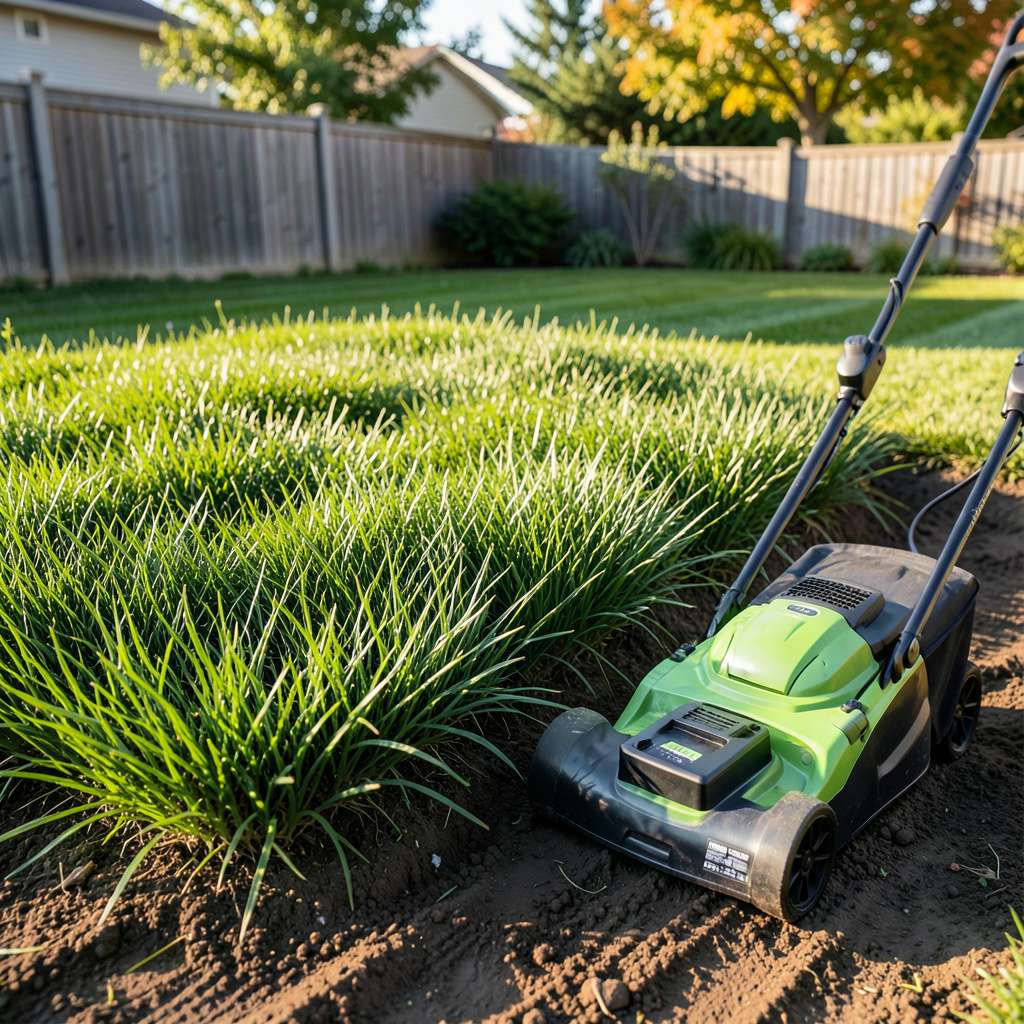
A well-maintained lawn mower battery typically lasts 3-5 years or 300-500 charge cycles. Lifespan depends on battery type (lead-acid vs lithium-ion), usage frequency, and proper storage/charging habits.
I’ve learned through hands-on experience that battery chemistry plays a huge role in durability. Lead-acid batteries, while cheaper, degrade faster with deep discharges, while lithium-ion options maintain capacity longer but require careful temperature management. 🔋 What many don’t realize is that leaving a battery at 100% charge for months during off-season storage can actually shorten its lifespan more than regular use. The real secret lies in maintaining that 40-80% charge range when storing equipment long-term.
💡 In This Article
The chemistry inside your battery determines its lifespan more than any other factor. Traditional lead-acid batteries (the most common type in lawn mowers) typically last 2-4 years because their internal plates degrade with each charge cycle. Every time you discharge and recharge, tiny amounts of lead sulfate form on the plates, gradually reducing capacity.
Lithium-ion batteries, while more expensive, can last 5-7 years because they don’t suffer from this same sulfation process.
What really surprises most people is how charge cycles work. A cycle isn’t just one full discharge—it’s cumulative. If you use 50% capacity today and recharge, then use another 50% tomorrow, that counts as one full cycle.
Most batteries are rated for 300-500 cycles, but here’s the catch: deep discharges (below 20% charge) count as multiple cycles and accelerate wear. Keeping your battery between 40-80% charge maximizes longevity. 🔋
Temperature extremes silently kill batteries. Storing your mower in an unheated garage where winter temps drop below 32°F can reduce capacity by 20% per year. Heat is even worse—consistent exposure above 90°F (like in a metal shed) degrades internal components twice as fast.
I’ve seen batteries fail in just 18 months when left in direct sunlight versus 5+ years with proper temperature control.
The depth of discharge matters more than frequency. A battery drained to 50% daily will outlast one fully discharged weekly. This is because shallow cycles create less stress on the internal chemistry. For lead-acid batteries, each time you drop below 50% charge, you’re effectively doubling the wear.
Lithium-ion handles deeper discharges better, but even they degrade faster when regularly taken below 20% capacity.
Here’s what’s actually happening inside: When you discharge a lead-acid battery, sulfuric acid reacts with the lead plates to form lead sulfate. If not fully recharged quickly, these sulfate crystals harden and become permanent. This “sulfation” is the #1 killer of lead-acid batteries.
Lithium-ion batteries face different challenges—their electrodes physically expand and contract with each cycle, eventually leading to micro-cracks that reduce capacity. ✨
Vibration from mower operation also takes a toll. The constant movement can loosen internal connections and damage cell structures over time. This is why riding mowers often need battery replacements sooner than push mowers—they experience more physical stress. Securing your battery properly and using vibration-dampening mounts can add 1-2 years to its lifespan.
Manufacturers rate batteries based on ideal conditions, but real-world use rarely matches this. A battery rated for 500 cycles might only deliver 300 if regularly exposed to heat, deep discharges, or improper charging. The difference between a 3-year and 7-year battery often comes down to these small but critical usage habits. 💫
Even the charger you use affects longevity. Cheap chargers that don’t properly regulate voltage can overcharge batteries, causing excessive heat buildup. Smart chargers that automatically switch to maintenance mode when full can extend battery life by 30-50%. The $20 extra for a quality charger often pays for itself in extended battery life.
Finally, storage practices between seasons make a massive difference. A battery left fully charged or completely dead during winter storage will degrade 3-5 times faster than one stored at 50-60% charge in a cool, dry place.
The ideal storage temperature is 50-60°F—cool enough to slow chemical reactions but not so cold that it damages the cells. ⚡
Most lawn mower batteries provide 30-60 minutes of continuous runtime on a full charge. Lead-acid batteries typically last 30-45 minutes, while lithium-ion models can run 45-60 minutes or more. Runtime varies based on grass thickness and mower load.
With proper care, replace lead-acid batteries every 2-4 years and lithium-ion every 4-6 years. If your mower struggles to hold charge or runtime drops below 50% of original capacity, it’s time for a new one. Regular maintenance can extend this timeline.
Only for lead-acid batteries if the charger has a 12V/2-5 amp setting. Never use car chargers on lithium-ion batteries—they require specialized chargers. Fast car chargers can overheat and damage lawn mower batteries. Always check voltage compatibility first.
Rapid discharge usually means either a failing battery or excessive power draw. Check for corroded terminals, loose connections, or a faulty charging system. If the battery is over 3 years old, its capacity has likely degraded significantly. Extreme temperatures also accelerate discharge.
Store at 40-60% charge in a cool, dry place. Fully charged or completely dead batteries degrade 3-5 times faster during storage. Check voltage monthly and top up if it drops below 12.4V (lead-acid) or 3.6V (lithium).
