
Beautiful Plants For Your Interior
Beautiful Plants For Your Interior
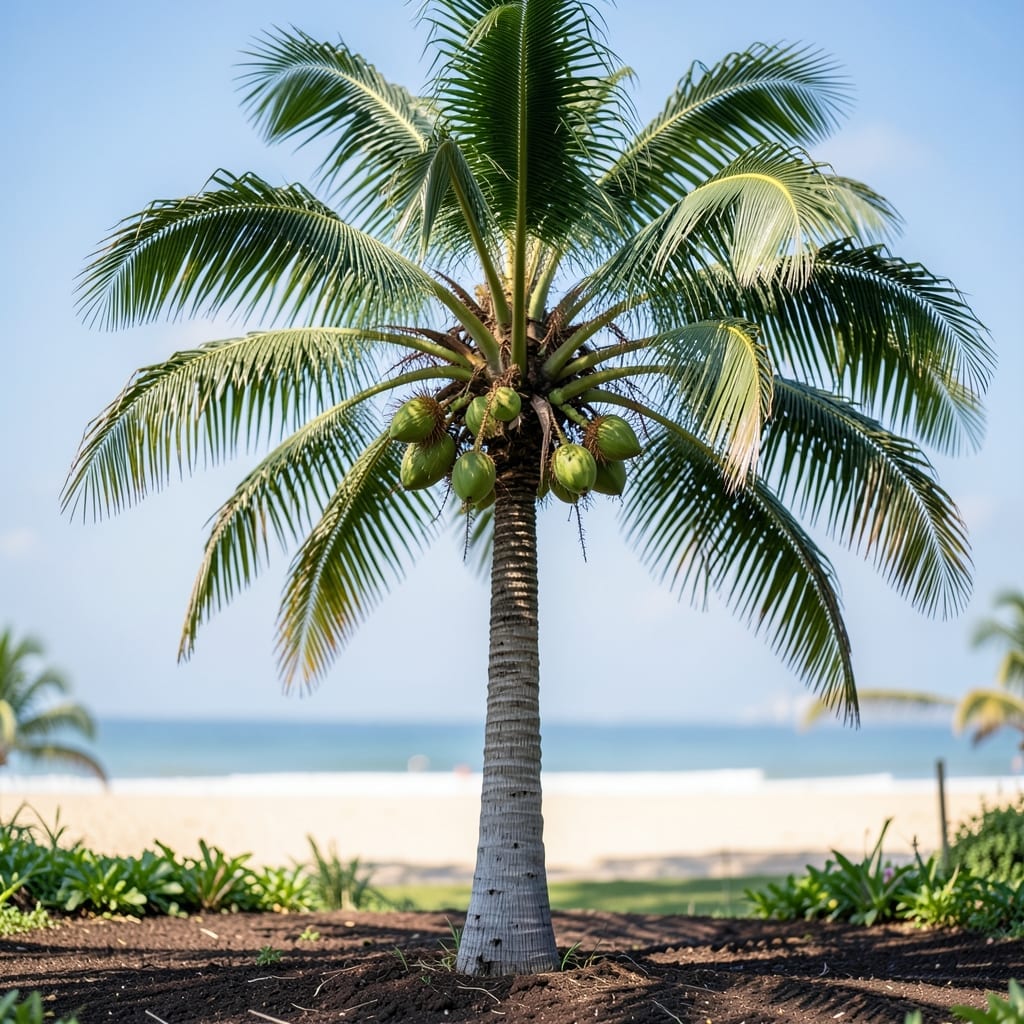
Growing a 🥥 Coconut Tree from seed to fruit is a test of patience, but the tropical rewards are well worth the wait. Whether you’re cultivating one in your backyard or a tropical climate, understanding the timeline is key to success.
From the moment you plant that seed, you’re embarking on a 5-7 year journey. That’s how long it typically takes for a Coconut Tree to start producing its first fruits.
I’ll walk you through each growth stage, what to expect, and how to give your tree the best chance to thrive. The wait might seem long, but the payoff is unbeatable.

If you’re wondering how long a coconut tree takes to grow, the answer depends on the stage. The journey begins with germination, which typically takes 3-6 months in ideal conditions.
Once sprouted, the seedling stage lasts about 1-2 years. During this time, your young coconut palm will focus on establishing a strong root system and a few fronds. Patience is key here, as the tree is still vulnerable.
| Stage | Duration | Key Care Tips |
|---|---|---|
| Germination | 3-6 months | Keep soil moist, warm |
| Seedling | 1-2 years | Partial shade, protect from wind |
| Juvenile | 3-5 years | Full sun, regular watering |
| Maturity | 5-7 years | High potassium fertilizer |
The juvenile stage is where things get exciting. Over 3-5 years, your tree will grow rapidly, developing a sturdy trunk and a full canopy of fronds. This is when it starts to look like the iconic coconut palm we all recognize.
During this phase, ensure your tree gets full sun and consistent watering. A well-draining soil is critical to prevent root rot, a common issue in coconut palms.
Finally, the mature stage begins around 5-7 years. This is when your coconut tree will start producing its first fruits. However, don’t expect a full harvest right away—it can take another few years for production to peak.
A mature coconut tree can reach heights of 50-100 feet. At this stage, focus on high-potassium fertilizer to support fruiting. Regular pruning to remove dead fronds will also keep your tree healthy and productive.
Remember, these timelines are for ideal conditions. In less-than-perfect environments, growth may slow. But with the right care, your coconut tree will thrive and reward you with tropical beauty and delicious coconuts.
I’ve found that consistency in care—especially watering and sunlight—makes all the difference in hitting these growth milestones on time.
Whether you’re growing for the aesthetic appeal or the fruit, understanding these stages helps you set realistic expectations and enjoy the process.
🌴Several key factors influence how quickly your coconut tree matures. The most critical is climate—these tropical trees thrive in USDA zones 10-12 with consistent warmth and humidity.
Soil quality also plays a huge role. Coconut palms need sandy, well-draining soil with a pH between 5.0-8.0. Poor drainage can stunt growth or even kill the tree.
Water availability is another major factor. While coconut trees are drought-tolerant once established, they grow fastest with regular deep watering, especially during dry spells.
Sunlight is non-negotiable. These trees need full sun to reach their growth potential. In shady conditions, they’ll grow slower and may not produce fruit at all.
The coconut variety matters too. Dwarf varieties like Malayan Dwarf may fruit slightly sooner than tall varieties, though both typically take 5-7 years to bear.
I’ve seen the biggest difference when gardeners focus on soil prep before planting. Amending with compost and ensuring good drainage gives your tree the best start for rapid, healthy growth.
🌴