
Beautiful Plants For Your Interior
Beautiful Plants For Your Interior
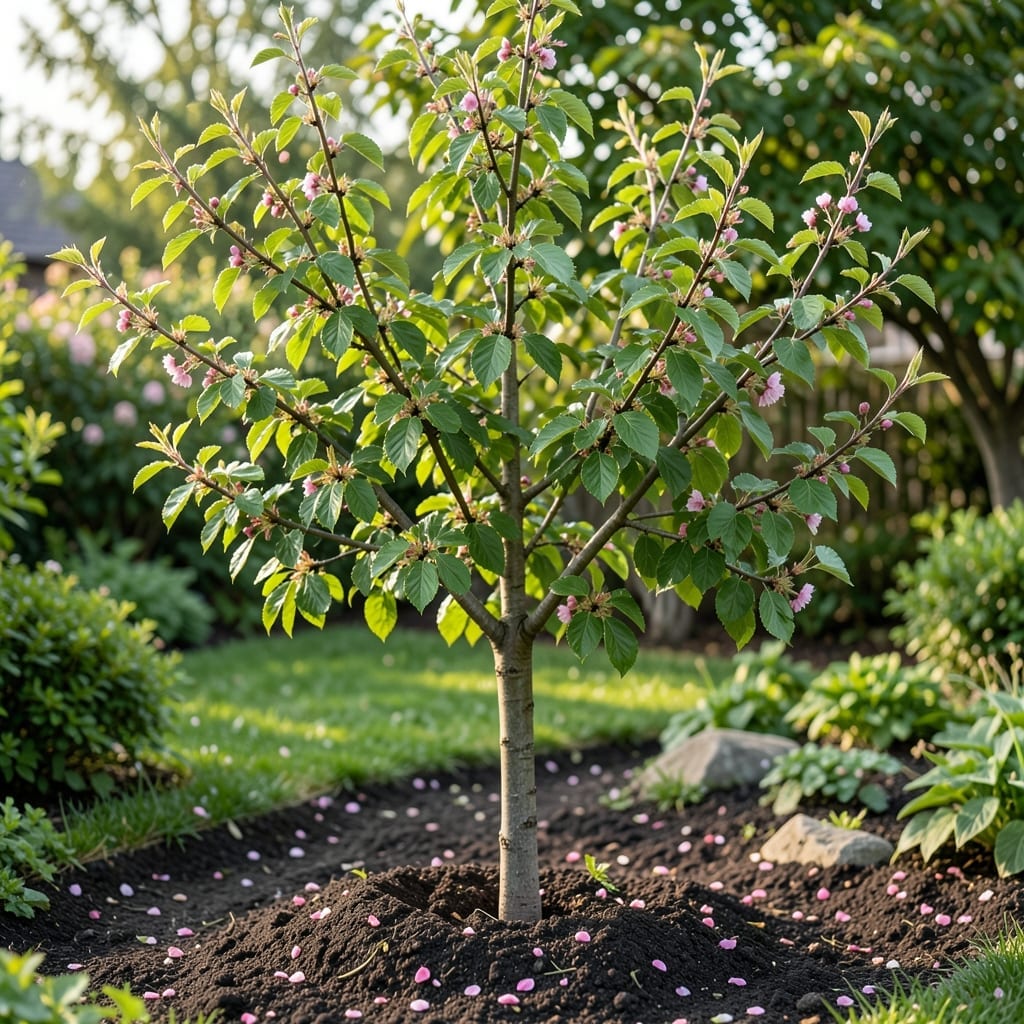
Watching a Cherry Tree 🌳 grow from a tiny sapling to a fruit-bearing beauty is a rewarding experience, but patience is key. The timeline from planting to your first harvest varies significantly.
Depending on the type of Cherry Tree and growing conditions, you might wait 3-7 years for fruit. Dwarf varieties often bear sooner than standard ones.
I’ll walk you through the growth stages and what to expect. Whether you’re planting in zones 5-8 or just curious, understanding this timeline helps set realistic expectations.


If you’re wondering how long does a cherry tree take to grow, the answer depends on the variety. Sweet cherries like Bing or Stella typically take 5-7 years to bear fruit.
Tart cherries, such as Montmorency, are faster, often producing fruit in 3-5 years. Dwarf varieties may fruit even sooner, sometimes in just 2-3 years.
| Stage | Duration | Key Development |
| Root Establishment | 1-2 years | Develops strong root system |
| Trunk Growth | 2-3 years | Reaches 6-10 ft tall |
| First Blooms | 3-4 years | Appears on mature branches |
| First Fruit | 4-7 years | Varies by cherry type |
| Full Maturity | 7-10 years | Reaches 20-30 ft tall |
During the first year, your cherry tree focuses on establishing a strong root system. It’s building the foundation for future growth, so don’t expect much above-ground progress yet.
In years 2-3, you’ll see rapid trunk and branch development. Your tree may grow 3-5 feet per year under ideal conditions. This is when proper pruning becomes important.
By year 4, many cherry trees produce their first blossoms. While exciting, these early blooms often don’t set fruit. The tree is still maturing and may not have enough energy to produce cherries yet.
The first fruit harvest typically occurs in years 5-7 for sweet cherries. Tart varieties often bear earlier, sometimes as soon as year 3. Remember, these are averages – your tree’s timeline may vary.
At full maturity, usually 7-10 years after planting, your cherry tree will reach its maximum height of 20-30 feet for standard varieties. It will produce consistent harvests each year with proper care.
Dwarf varieties follow a similar pattern but on a smaller scale, often reaching 8-12 feet at maturity and fruiting a year or two earlier than their standard counterparts 🌱
Several key factors influence how quickly your cherry tree will bear fruit. From climate conditions to your care routine, each element plays a role in the timeline.
I’ve found that optimal growing conditions can shave 1-2 years off the typical fruiting timeline, while poor conditions can delay it significantly.
Climate is perhaps the most critical factor. Cherry trees thrive in moderate climates with distinct seasons. Late frosts can damage blossoms, while extreme heat can stress the tree.
Soil quality directly impacts root development. I always recommend testing your soil before planting. Amend with compost to improve drainage and fertility if needed.
Proper watering is especially crucial during the first two years. Aim for 1-2 inches of water per week, adjusting for rainfall. Overwatering can be just as harmful as drought.
Don’t underestimate the power of pruning. Removing dead or crossing branches improves air circulation and directs energy toward fruit production. I prune my trees in late winter while they’re still dormant.
Pests and diseases can set back your tree’s progress. Regularly inspect for signs of trouble and treat promptly with organic solutions when possible 🌿