
Beautiful Plants For Your Interior
Beautiful Plants For Your Interior
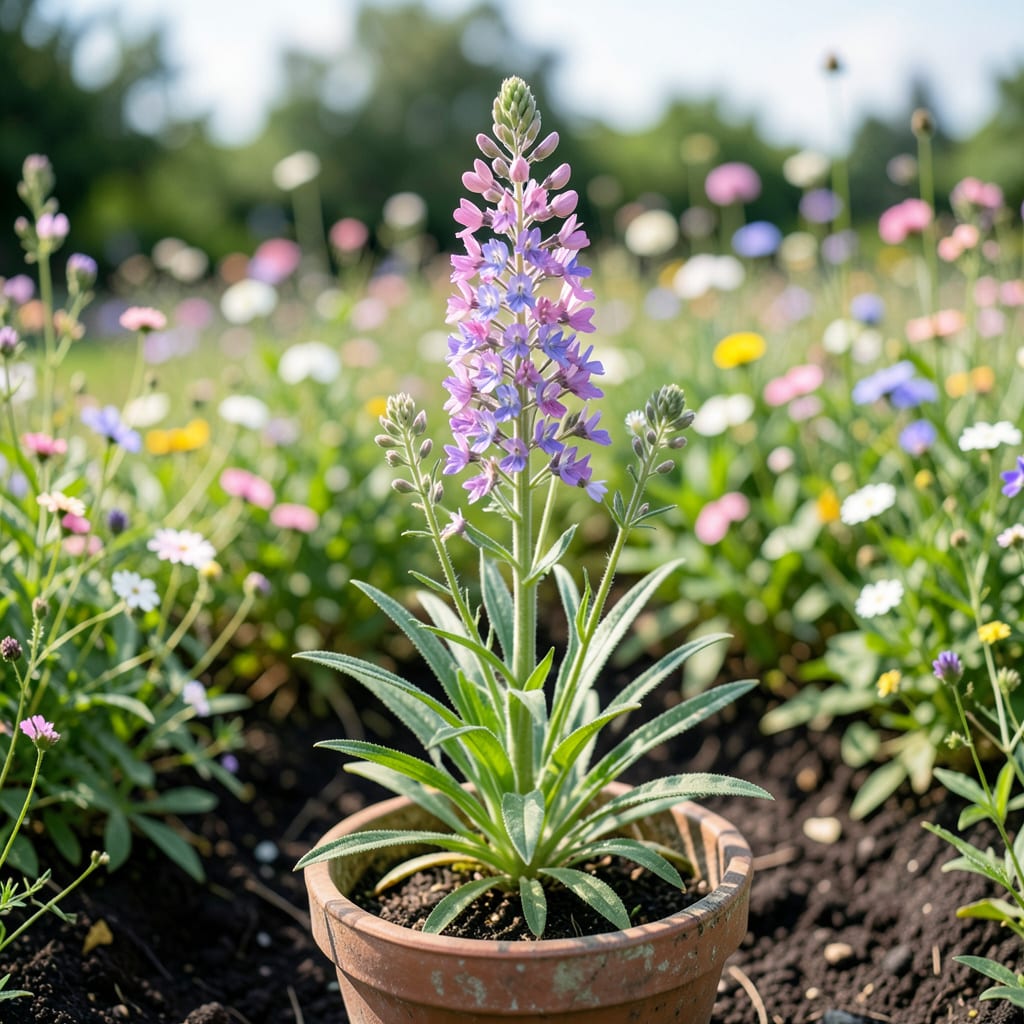
As spring arrives, Wildflowers 💐 burst into bloom, transforming landscapes with vibrant colors. But how long can you expect this colorful display to last? The blooming period varies depending on several factors, including the type of Wildflowers and growing conditions in your USDA Zone 6 garden.
Understanding what influences their blooming duration helps you plan your garden effectively and enjoy these beautiful flowers for as long as possible. Let’s explore the factors that affect how long Wildflowers bloom and discover tips to extend their flowering season.
Understanding the factors that influence wildflower bloom duration is crucial for gardeners who want to maximize their floral display. The blooming period can vary significantly based on several key elements 🌼.
First and foremost, climate conditions play a significant role in determining how long wildflowers bloom. Temperature, rainfall, and sunlight exposure are critical factors that can either prolong or shorten the blooming period. For instance, a mild spring with adequate moisture can lead to a longer blooming season 🌻.
The type of wildflower is another crucial factor. Different species have different blooming periods, ranging from a few weeks to several months. Some wildflowers are bred to have longer blooming seasons, while others may bloom for a shorter duration 🌺.
Soil quality also significantly affects how long wildflowers bloom. Soil that is rich in nutrients and has good drainage can support longer, healthier blooms. Conversely, poor soil conditions can result in shorter blooming periods 🌱.
Environmental conditions, including sunlight and moisture levels, are also vital. Most wildflowers require full sun to partial shade and consistent moisture during their blooming period. Extreme conditions, such as drought or excessive rain, can negatively impact bloom duration ⛈️.
By understanding these factors, gardeners can take steps to optimize conditions for their wildflowers, potentially extending the blooming season and enjoying a more vibrant display 🌼.
Each of these elements contributes to the overall health and blooming duration of wildflowers, making it essential to consider them when planning a wildflower garden 🌻.
By managing these factors effectively, gardeners can create a thriving wildflower garden that blooms for as long as possible 🌺.
The combination of the right climate, soil, species, and environmental conditions will ultimately determine the length of time wildflowers bloom in your garden 🌱.
Understanding and managing these factors can help gardeners make the most of their wildflower display 🌼.
Effective garden management involves considering all these factors to achieve the best possible blooming results 🌻.
Understanding the typical blooming periods of different wildflower species helps gardeners plan their gardens effectively and enjoy a continuous display of colorful blooms 🌼.
Wildflowers can be broadly categorized into spring, summer, and fall bloomers, each offering unique characteristics and blooming durations 🌺.
Some popular spring-blooming wildflowers include California Poppy, Blue Lupine, and Desert Marigold, which bloom for 4-6 weeks 🌼.
Summer-blooming varieties like Black-eyed Susan, Cosmos, and Gaillardia can bloom for 8-12 weeks with proper care 🌻.
Fall-blooming wildflowers such as Asters and Goldenrod provide a colorful display for 6-8 weeks before the first frost 🌺.
By selecting a mix of these species, gardeners can enjoy a continuous wildflower display throughout the growing season 🌼.
The duration of bloom for each species can vary based on factors like climate, soil quality, and maintenance practices 🌻.
Understanding these factors and choosing the right mix of wildflowers can help create a vibrant and dynamic garden display 🌺.
Creating a continuous wildflower display requires strategic planning and garden management. By understanding how to extend the blooming season, gardeners can enjoy their wildflowers for longer periods 🌼.
One effective method is to plant a mix of wildflower species that bloom at different times. This approach ensures a succession of blooms throughout the growing season, from early spring to late fall 🌺.
Select wildflower species that bloom in different seasons to create a continuous display. For example, plant spring-blooming California Poppy alongside summer-blooming Black-eyed Susan and fall-blooming Asters 🌻.
Ensure your soil is nutrient-rich and well-draining. Add organic matter like compost to improve soil quality, which supports healthier and longer blooms 🌱.
Regularly deadhead spent blooms to encourage more flowering. Prune plants after their initial bloom to promote a second flush of flowers 🌺.
By implementing these strategies, gardeners can significantly extend the wildflower blooming season and enjoy a vibrant garden display for months 🌼.
Effective garden management also involves monitoring environmental conditions and adjusting care practices accordingly. Providing adequate moisture and protecting plants from extreme weather can help maintain a healthy bloom 🌻.
With careful planning and maintenance, wildflower gardens can remain colorful and engaging throughout the growing season, offering a beautiful and dynamic landscape 🌺.
Wildflowers usually bloom for 4-12 weeks, depending on the species and growing conditions. Spring bloomers like California Poppy typically flower for 4-6 weeks, while summer varieties like Black-eyed Susan can bloom for 8-12 weeks. The blooming duration can be influenced by factors such as climate, soil quality, and maintenance practices .
Yes, you can extend the blooming season by planting a mix of wildflower species that bloom at different times. This approach ensures a continuous display of colorful blooms throughout the growing season. Additionally, practices like deadheading spent blooms and maintaining soil health can help promote longer blooming periods .
Several factors influence the blooming duration of wildflowers, including climate conditions, soil quality, species variation, and environmental conditions. Temperature, rainfall, sunlight exposure, and soil nutrients all play a role in determining how long wildflowers will bloom. Understanding these factors can help you optimize conditions for your wildflowers .
Yes, different species of wildflowers have varying blooming periods. They can be categorized into spring, summer, and fall bloomers, each with unique characteristics and blooming durations. By selecting a mix of these species, you can enjoy a continuous wildflower display throughout the growing season .
