
Beautiful Plants For Your Interior
Beautiful Plants For Your Interior
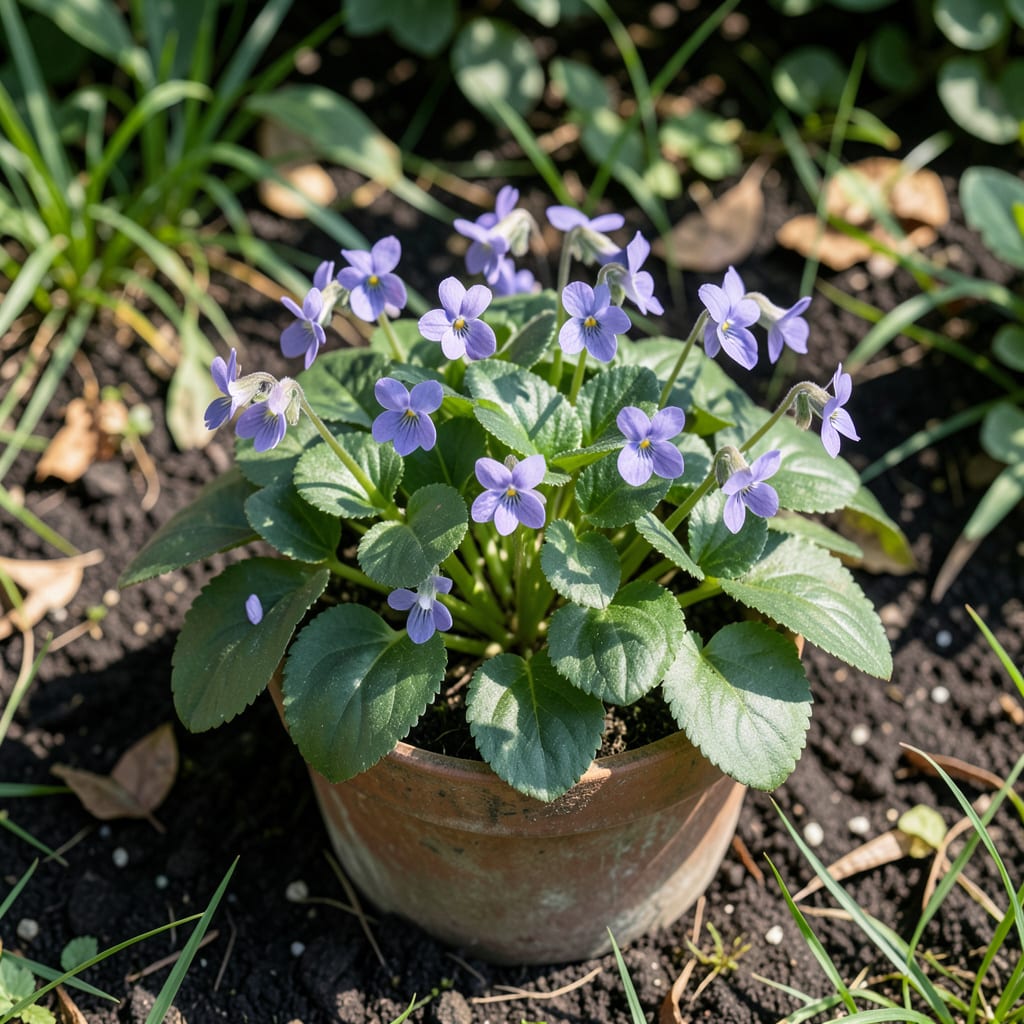
As spring arrives, Wild Violet 💜 brings vibrant color to gardens and lawns in USDA Zone 6. Their delicate purple flowers bloom for several weeks, creating a beautiful carpet underfoot.
Understanding how long Wild Violets bloom and what affects their flowering period can help you manage their presence effectively. Let’s explore the factors that influence their blooming time and how to encourage these lovely flowers to thrive.
Wild violets are one of the first signs of spring, bringing vibrant color to gardens and lawns. Their blooming period is an exciting time for gardeners and nature enthusiasts alike. Typically, wild violets start blooming in early spring, around March or April, depending on the climate and region 🌼.
The blooming period of wild violets can last for several weeks, usually between 4 to 6 weeks. During this time, they produce an abundance of small, delicate purple flowers that create a beautiful carpet underfoot. The exact duration of the bloom can vary based on factors such as weather conditions, soil quality, and maintenance practices.
Understanding these factors can help you better manage wild violets in your garden or lawn. By recognizing the typical bloom period and the conditions that affect it, you can make informed decisions about how to care for these lovely flowers 🌿.
The blooming period of wild violets is not just a matter of aesthetics; it also has implications for their reproduction and spread. During their bloom, wild violets produce seeds that can disperse and lead to new plants. This natural process can be both a blessing and a challenge for gardeners, depending on whether they view wild violets as a welcome groundcover or an unwanted weed 🌻.
One of the key aspects of wild violet blooming is their ability to produce flowers in shaded areas. This makes them an excellent choice for adding color to parts of the garden that receive less sunlight. Their blooming period coincides with the time when many other spring flowers are also in bloom, creating a diverse and vibrant display of colors 🌼.
In addition to their beauty, wild violets also have ecological benefits. They provide a source of nectar for early-season pollinators and can help to stabilize soil with their root systems. Understanding their bloom period can help you appreciate these benefits and integrate wild violets into your garden planning 🌱.
For gardeners looking to encourage wild violets, understanding their bloom period is just the first step. By providing the right conditions and care, you can enjoy these beautiful flowers for years to come. This includes ensuring they have adequate moisture, appropriate shade, and minimal disturbance during their blooming period 💧.
Conversely, for those who consider wild violets to be weeds, understanding their bloom period can help in planning control measures. By targeting their growth and reproduction during this time, you can more effectively manage their spread. This might involve manual removal, herbicides, or other control methods 🚫.
Regardless of your perspective on wild violets, their bloom period is a significant event. It marks the beginning of spring and the renewal of growth in the garden. By appreciating and understanding this period, you can better enjoy the beauty and benefits that wild violets bring to your outdoor space 🌸.
In conclusion, the blooming period of wild violets is a fascinating and important aspect of their life cycle. By understanding when and how long they bloom, you can better appreciate these lovely flowers and make informed decisions about their care and management. Whether you view them as a welcome addition to your garden or a weed to be controlled, wild violets are a significant part of the spring landscape 🌿.
Several factors influence how long wild violets bloom, including weather conditions, soil quality, and maintenance practices. Understanding these elements can help you manage wild violets effectively in your garden 🌼.
Weather plays a significant role in determining the bloom duration of wild violets. Temperature and moisture levels are particularly important. Wild violets thrive in cooler temperatures and consistent moisture, which can prolong their blooming period 🌿.
Wild violets are sensitive to extreme weather conditions. Prolonged heat or drought can shorten their bloom period ⛅️.
Soil quality is another critical factor affecting wild violet bloom duration. These plants prefer rich, moist soil with good drainage. Soil that is too dry or lacking in nutrients can reduce the length of their bloom 🌿.
Maintenance practices, such as mowing and fertilizing, can also impact how long wild violets bloom. Regular mowing can cut off the flowers and prevent seed production, while fertilizing can promote healthy growth and potentially extend the bloom period 🌸.
By understanding and managing these factors, you can influence the blooming duration of wild violets in your garden. This knowledge allows you to make informed decisions about how to care for these lovely flowers and enjoy their beauty for as long as possible 🌼.
For gardeners looking to encourage longer blooming, it’s essential to provide optimal growing conditions. This includes ensuring adequate moisture, maintaining appropriate soil quality, and adopting gentle maintenance practices 💧.
Conversely, for those who view wild violets as weeds, understanding these factors can help in planning effective control measures. By targeting the conditions that promote their bloom, you can better manage their presence in your garden or lawn 🚫.
In summary, the blooming duration of wild violets is influenced by a combination of weather, soil, and maintenance factors. By understanding and managing these elements, you can either encourage or control the bloom period of these beautiful flowers 🌸.
Managing wild violets requires understanding their growth habits and bloom period. These plants typically bloom in early spring, producing beautiful purple flowers that can create a vibrant carpet underfoot 🌼.
To encourage wild violets, ensure they have adequate moisture and appropriate shade. They thrive in rich, moist soil with good drainage. Maintaining these conditions can help prolong their blooming period 🌿.
For those who view wild violets as weeds, understanding their bloom period can help in planning control measures. Targeting their growth and reproduction during this time can help manage their spread more effectively 🚫.
By adopting these care tips, you can either encourage or control the bloom period of wild violets, depending on your gardening goals. Whether you appreciate their beauty or consider them weeds, managing their blooming effectively is key to a balanced garden ecosystem 🌿.
In conclusion, caring for wild violets involves understanding their preferences and growth habits. By providing the right conditions and maintenance, you can enjoy their beautiful blooms for years to come 🌼.
Wild violets usually bloom for 4 to 6 weeks in early spring, typically around March or April, depending on climate and region. The exact duration can vary based on weather conditions and soil quality.
The blooming duration of wild violets is influenced by weather conditions, soil quality, and maintenance practices. They thrive in cooler temperatures and consistent moisture, which can prolong their blooming period.
To encourage longer blooming, ensure wild violets have adequate moisture, appropriate shade, and rich, moist soil with good drainage. Avoid over-mowing during their blooming period to allow flowers to bloom and set seed.
Yes, understanding their bloom period can help in planning control measures. Targeting their growth and reproduction during this time can help manage their spread more effectively. This might involve manual removal or other control methods.
