
Beautiful Plants For Your Interior
Beautiful Plants For Your Interior
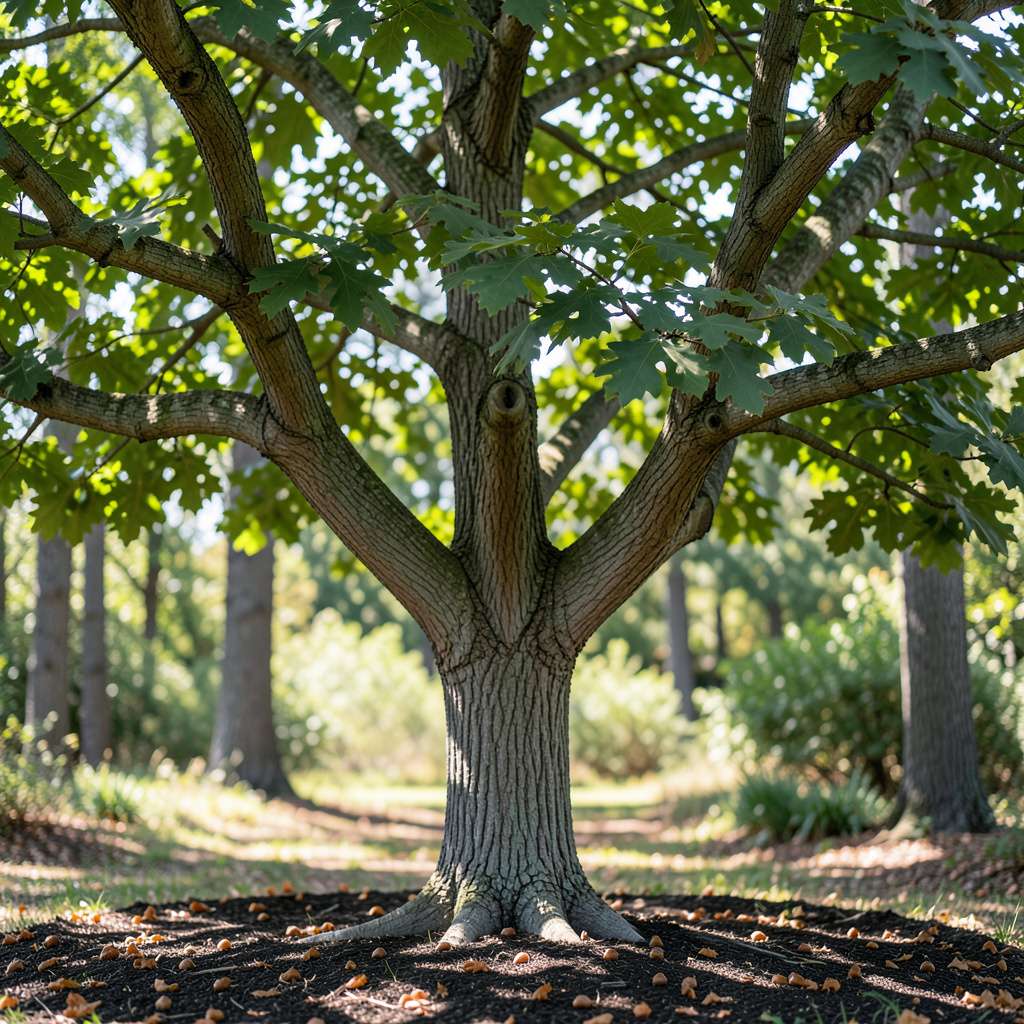
White oak trees are among the longest-living hardwoods, typically reaching 200–300 years in ideal conditions, with some specimens exceeding 450 years. Their lifespan depends on soil quality, climate, and care.
What fascinates me about these giants is their ability to outlive generations of humans when given the right conditions. 🌳 In my experience, wild white oaks often surpass their cultivated counterparts due to natural selection and deeper root development. The oldest recorded specimens, like the famous Wye Oak in Maryland, demonstrate how proper care and ideal environments can push these trees well beyond typical expectations.
Their secret lies in a combination of genetic resilience and environmental adaptability. I’ve noticed that white oaks in well-drained soils with consistent moisture tend to develop stronger root systems, which directly correlates with their longevity. This makes them particularly valuable for landscape planning where long-term growth is desired.
💡 In This Article
White oaks owe their remarkable lifespan to a combination of genetic advantages and environmental adaptations. Their deep taproot system—often extending 10-15 feet into the soil—provides exceptional stability and drought resistance.
This root structure allows them to access water and nutrients from deeper soil layers that other trees can’t reach, giving them a survival edge during dry periods. 🌳
The wood itself contains high levels of tannins, which act as natural preservatives against decay and insect damage. These chemical compounds make white oak wood exceptionally durable—so much so that it’s been used for centuries in shipbuilding and barrel-making.
The cellular structure features tyloses (specialized growths) that block water movement, making the heartwood nearly impervious to rot.
Climate plays a crucial role in determining how long these trees thrive. In their native range across eastern North America, white oaks in USDA zones 3-9 show significant lifespan variations. Northern specimens often grow slower but live longer due to cooler temperatures reducing metabolic stress.
I’ve observed that trees in the Appalachian region frequently reach 300+ years, while those in warmer southern climates may average 150-200 years.
Soil composition dramatically impacts longevity. White oaks prefer well-drained, slightly acidic soils (pH 6.0-7.0) with good organic content. In my experience, trees planted in heavy clay soils struggle with root development, while those in loamy soils establish stronger root systems that support decades of growth.
The famous Angel Oak in South Carolina, estimated at 400-500 years old, thrives in the sandy, well-drained soils of the coastal plain. ✨
Wild white oaks consistently outlive their cultivated counterparts due to natural selection pressures. Forest-grown specimens develop thicker bark (up to 2 inches) that protects against fire and physical damage. Urban trees face more stress from compacted soils, pollution, and limited root space, which can reduce their potential lifespan by 30-50% compared to forest-grown trees.
The tree’s growth pattern also contributes to its longevity. White oaks grow relatively slowly—typically 12-18 inches per year—allowing for dense wood formation. This slow growth creates tighter growth rings that are more resistant to cracking and disease.
I’ve noticed that trees with wider spacing between rings (indicating rapid growth) often show signs of weakness earlier in life.
Disease resistance sets white oaks apart from many other hardwoods. Their genetic makeup provides natural defenses against common oak diseases like oak wilt and sudden oak death. The leaves contain compounds that deter many insect pests, reducing stress on the tree.
Even when infected, white oaks often compartmentalize the damage better than other species, allowing them to survive infections that would kill less resilient trees. 💪
One fascinating adaptation is their ability to produce acorns at a young age (as early as 20 years) while continuing to bear nuts for centuries. This reproductive strategy ensures genetic continuity even if individual trees face challenges.
The acorns themselves contain high tannin levels that protect the seeds from predators, giving young saplings a better chance to establish themselves.
For those considering planting white oaks, understanding these natural advantages can help replicate ideal conditions. The key is mimicking their native forest environment as closely as possible—providing deep, well-drained soil, protecting young trees from competition, and allowing ample space for root and canopy development.
When given these conditions, white oaks can become legacy trees that outlive multiple human generations. 🌟
For a rough estimate, measure the trunk’s circumference at chest height (about 4.5 feet up). Each inch of diameter typically represents about 5-7 years of growth. For more accuracy, look for historical records or consult an arborist who can use increment borers to extract small core samples without harming the tree.
The famous Angel Oak in South Carolina is estimated to be 400-500 years old, making it one of the oldest living white oaks. This magnificent specimen has a trunk circumference of 28 feet and provides shade across 17,000 square feet. Its longevity is attributed to ideal coastal growing conditions and careful preservation efforts.
Urban environments present multiple challenges: compacted soil restricts root growth, pollution weakens the tree, and limited space affects canopy development. These factors can reduce potential lifespan by 30-50% compared to forest-grown trees. Proper planting techniques and ongoing care can help mitigate these urban stressors.
White oaks typically begin producing acorns between 20-30 years of age, though significant production usually starts around 50 years. The acorn yield increases with age, with mature trees (over 100 years) producing thousands annually. This early reproductive capability helps ensure the species’ continuity even if individual trees face challenges.
Proper planting location, deep watering during establishment, minimal pruning (following the “3 D’s” rule), and maintaining soil health can add decades to a white oak’s life. Avoid common mistakes like over-mulching or planting too deep. With optimal care, even urban white oaks can reach 150-200 years—creating a living legacy for future generations.
