
Beautiful Plants For Your Interior
Beautiful Plants For Your Interior
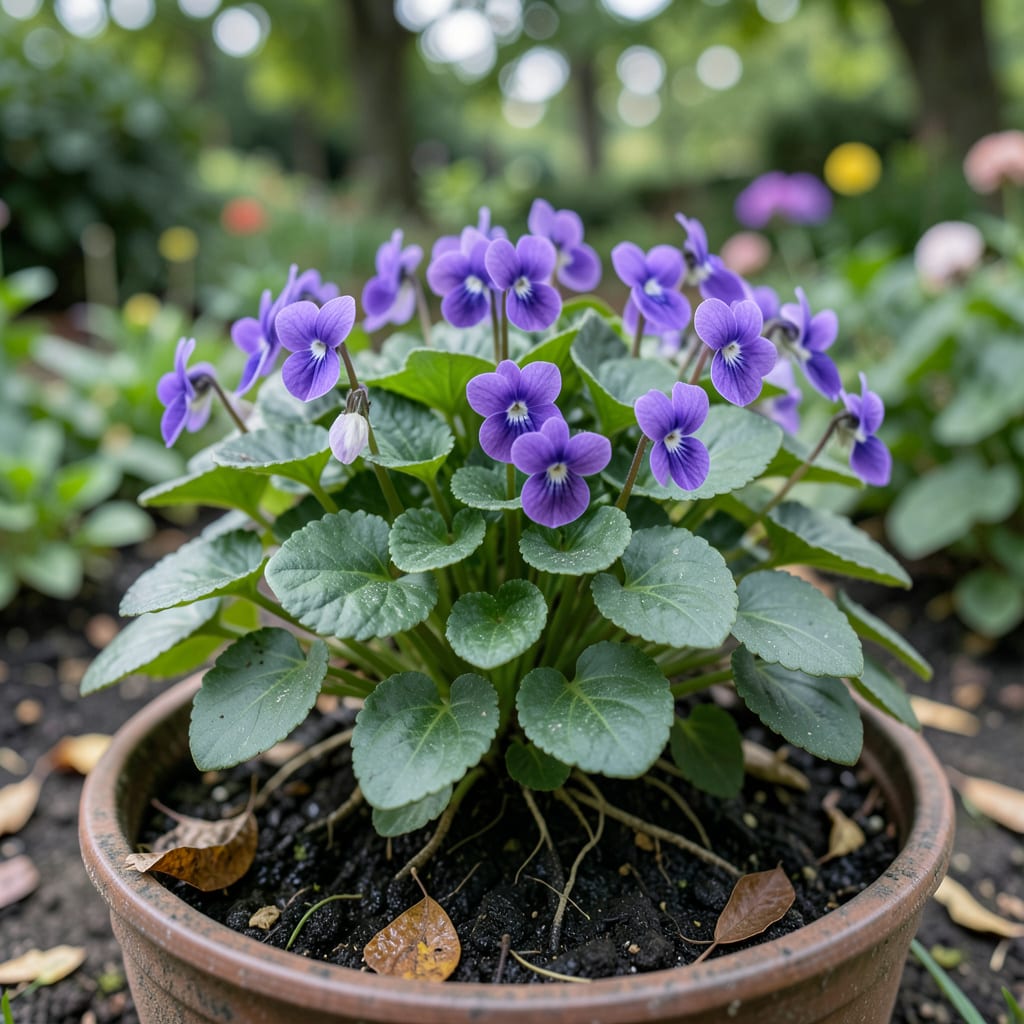
As spring arrives, Violets 💜 burst into bloom, adding delicate beauty to any garden in USDA Zone 6. But how long can you expect these charming flowers to flourish? Understanding their blooming cycle is key to making the most of their beautiful display.
The blooming period of Violets can vary, but with proper care in General locations, you can enjoy their lovely flowers for several weeks. Let’s explore the factors that influence their blooming duration and how to encourage a longer flowering season.
Violets are charming garden flowers that bloom for several weeks, but their exact blooming period can vary significantly. The duration of their bloom is influenced by factors such as species variation, climate conditions, and care practices.
Different violet species have distinct blooming periods. For example, some varieties like African Violets can bloom year-round with proper care, while others may have a more limited blooming season. Understanding these differences is crucial for gardeners who want to maximize their violet displays 🌼.
The climate and growing conditions play a significant role in determining how long violets will bloom. Violets generally thrive in cooler temperatures and consistent moisture, which can extend their blooming period. In USDA Zone 6, where violets are well-suited, gardeners can expect a robust blooming season during the spring and potentially into early summer 🌞.
To encourage a longer blooming season, gardeners should focus on providing optimal care. This includes ensuring the soil remains moist but well-draining, providing partial shade, and maintaining a consistent temperature. Regular deadheading of spent blooms can also encourage more flowers to develop, thus prolonging the blooming period 🌿.
Violets are generally considered low-maintenance plants, but their blooming can be affected by factors such as fertilization and pruning. Using a balanced fertilizer during the growing season can support healthy growth and blooming. Additionally, dividing and replanting violets every few years can help maintain their vigor and promote more prolific blooming 🌱.
By understanding the specific needs of different violet species and providing appropriate care, gardeners can enjoy these beautiful flowers for an extended period. Whether you’re growing African Violets indoors or common violets in your garden, tailored care can make a significant difference in their blooming duration 💐.
For gardeners in USDA Zone 6, where violets are a popular choice, the ideal planting times are during the cooler months of September to November or March to May. This timing helps establish the plants before the extreme temperatures of summer or winter, leading to a more vigorous bloom 🌻.
Overall, with the right conditions and care, violets can provide a delightful display of color for several weeks to several months, making them a valuable addition to any garden or indoor space 🌼.
In conclusion, understanding the blooming cycles and duration of violets involves considering the species, climate, and care practices. By optimizing these factors, gardeners can enjoy a longer and more vibrant blooming season from their violets 🌺.
To maximize the blooming period of your violets, it’s essential to understand the key factors that influence their flowering duration. By implementing the right gardening techniques, you can enjoy a longer and more vibrant display of these beautiful flowers 🌼.
One of the most effective ways to extend the blooming season is through proper deadheading. Removing spent blooms encourages the plant to produce more flowers, thus prolonging the blooming period. This simple technique can make a significant difference in the overall display of your violets 💐.
Ensure your violets receive partial shade and are kept in cooler temperatures. This will help prolong their blooming period 🌞.
Use a balanced fertilizer during the growing season to support healthy growth and blooming. This will help maintain the vigor of your violets 🌱.
Keep the soil consistently moist but ensure it is well-draining. This balance is crucial for maintaining healthy violets and encouraging a longer blooming season 🌿.
By following these expert tips, you can significantly extend the blooming season of your violets. Remember, the key to a vibrant display is a combination of proper care and attentive gardening practices 🌺.
For gardeners in USDA Zone 6, where violets thrive, implementing these strategies during the ideal planting times can lead to a more robust and prolonged blooming period. Whether you’re growing violets indoors or outdoors, these tips can help you enjoy their beauty for a longer duration 🌼.
In summary, extending the blooming season of violets requires a multifaceted approach that includes deadheading, optimal growing conditions, and appropriate fertilization. By focusing on these aspects, you can enjoy a more vibrant and longer-lasting display of violets in your garden 💜.
When growing violets, gardeners often make mistakes that can significantly shorten their blooming periods. Understanding these common pitfalls is crucial for maintaining a vibrant display of these beautiful flowers 🌼.
One of the most frequent mistakes is overwatering, which can lead to root rot and other health issues that reduce blooming. Violets prefer moist soil but can’t tolerate standing water or excessive moisture 🌿.
Overwatering is a common mistake that can lead to root rot and reduced blooming in violets. Ensure the soil is moist but well-draining to promote healthy growth 🌿.
Another mistake is providing insufficient light. While violets prefer partial shade, they still need adequate light to bloom well. Too little light can result in leggy growth and fewer flowers 🌻.
Poor soil conditions are also a significant factor. Violets thrive in well-draining soil with a balanced nutrient profile. Poor soil quality can weaken the plants and reduce their blooming capacity 🌱.
To avoid these mistakes, gardeners should focus on providing optimal care. This includes monitoring soil moisture, ensuring adequate light, and maintaining good soil quality. By correcting these common errors, you can enjoy a longer and more vibrant blooming season from your violets 💐.
In summary, being aware of and avoiding common mistakes such as overwatering, insufficient light, and poor soil conditions can help extend the blooming period of violets. By following these guidelines, gardeners can enjoy a more robust and prolonged display of these charming flowers 🌺.
Violets typically bloom for several weeks, with the exact duration varying by species. Some varieties, like African Violets, can bloom year-round with proper care, while others may bloom for 6-8 weeks in spring and early summer .
To extend the blooming season, ensure your violets receive partial shade and consistent moisture. Regular deadheading of spent blooms and using a balanced fertilizer during the growing season can also encourage more flowers and prolong the blooming period .
Violets may stop blooming due to factors like overwatering, insufficient light, or poor soil conditions. Check your care routine and adjust as needed to provide optimal growing conditions and encourage further blooming .
Yes, some violet species, like African Violets, can bloom multiple times a year or even year-round with proper care. Other varieties may have a single blooming period in spring, but with optimal conditions and care, they can produce additional blooms later in the season .
