
Beautiful Plants For Your Interior
Beautiful Plants For Your Interior
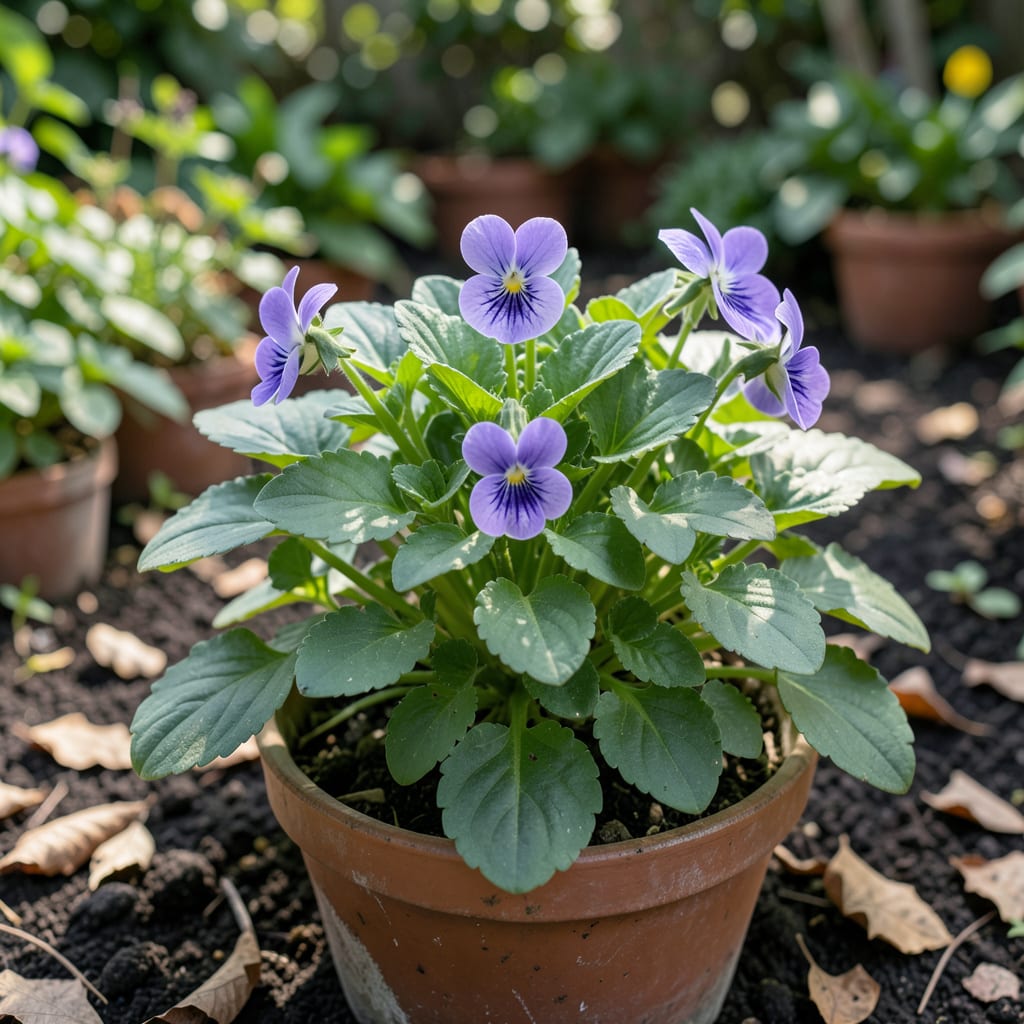
As a gardener, I love watching my Viola 💐 plants burst into bloom, adding vibrant color to my garden. But how long can I expect these beautiful flowers to bloom?
Understanding the blooming cycle of Violas is crucial for maximizing their flowering potential, and I’m here to share expert insights on what affects their blooming duration and how to make the most of it in USDA Zone 6.
Violas are known for their vibrant colors and delicate beauty, but their blooming period can vary significantly based on several factors. Understanding these factors is crucial for maximizing their flowering potential 🌼.
The blooming duration of violas is influenced by climate, variety, and care practices. Generally, violas bloom for 8 to 12 weeks in optimal conditions, but this can be shorter or longer depending on the specific conditions they are grown in.
In USDA Zone 6, violas typically bloom from early summer to late fall, roughly from May to November. This extended blooming period makes them an excellent choice for adding consistent color to gardens throughout much of the growing season.
The specific blooming period can be broken down into several key factors that influence how long violas will bloom. These include:
Temperature: Violas thrive in cooler temperatures, typically between 40°F and 70°F (4°C to 21°C). Temperatures that are too high can cause the plants to stop blooming and go dormant 🔥.
Soil Quality: Violas prefer well-draining soil that is rich in organic matter. Poor soil conditions can lead to weaker plants that bloom for shorter periods.
Light Exposure: While violas can tolerate some shade, they bloom best in full sun to partial shade. In USDA Zone 6, providing some afternoon shade can help extend the blooming period 🌞.
Watering: Consistent moisture is key. Violas need regular watering, especially during dry spells, but overwatering can be detrimental. The soil should be kept moist but not waterlogged 💧.
Fertilization: Feeding violas with a balanced fertilizer every 4 to 6 weeks during the growing season can promote healthy growth and extended blooming.
Deadheading: Regularly removing spent blooms (deadheading) encourages the plant to produce more flowers, thus extending the blooming period 🌼.
By understanding and managing these factors, gardeners can enjoy a longer and more vibrant display of violas in their gardens. Proper care and attention to the specific needs of violas can make a significant difference in their blooming duration.
For gardeners in USDA Zone 6, this means enjoying the beauty of violas for a significant portion of the year, provided they are given the right conditions and care. With the right approach, violas can be a long-lasting and colorful addition to any garden.
To maximize the blooming period of violas, it’s essential to understand the key factors that influence their flowering duration. By implementing the right care practices, gardeners can enjoy a longer and more vibrant display of these beautiful flowers 🌼.
Here are some expert tips to help extend the blooming season of your violas:
Regularly remove spent blooms to encourage the plant to produce more flowers, thus extending the blooming period 🌼.
Feed violas with a balanced fertilizer every 4 to 6 weeks during the growing season to promote healthy growth and extended blooming.
Maintain consistent moisture by watering violas regularly, especially during dry spells. Avoid overwatering, which can be detrimental to the plants 💧.
In addition to these tips, it’s crucial to provide violas with the right growing conditions. This includes ensuring they receive full sun to partial shade and are planted in well-draining soil rich in organic matter 🌞.
By following these expert tips and providing your violas with the right care, you can enjoy a longer and more vibrant blooming season. Remember, the key to maximizing their flowering potential is to understand and manage the factors that influence their blooming duration 🌼.
For gardeners in USDA Zone 6, this means enjoying the beauty of violas for a significant portion of the year. With the right approach, violas can be a long-lasting and colorful addition to any garden.
By implementing these strategies, you can make the most of your violas’ blooming potential and enjoy their vibrant colors for weeks to come 🌻.
When growing violas, gardeners often make mistakes that can significantly shorten their blooming period. Understanding these common errors is crucial for maximizing the flowering duration of these beautiful plants 🌼.
Overwatering, poor soil conditions, and inadequate sunlight are common mistakes that can shorten the blooming period of violas. By avoiding these errors, gardeners can enjoy a longer and more vibrant display of these beautiful flowers.
Overwatering is one of the most common mistakes gardeners make when growing violas. These plants prefer consistent moisture but can’t tolerate waterlogged soil. Overwatering can lead to root rot and other problems that significantly reduce the blooming period 💧.
Poor soil conditions are another critical factor that can shorten the blooming period of violas. They thrive in well-draining soil rich in organic matter. Soil that is too dense or lacking in nutrients can lead to weaker plants with shorter blooming periods 🌿.
Inadequate sunlight can also negatively impact the blooming duration of violas. While they can tolerate some shade, violas bloom best in full sun to partial shade. In USDA Zone 6, providing some afternoon shade can help extend the blooming period 🌞.
To avoid these common mistakes, gardeners should focus on providing violas with the right growing conditions. This includes proper watering, well-draining soil, and adequate sunlight. By doing so, gardeners can enjoy a longer and more vibrant blooming season 🌼.
By understanding and avoiding these common mistakes, gardeners can maximize the blooming potential of their violas and enjoy their beautiful flowers for a longer period. With the right care and attention, violas can be a long-lasting and colorful addition to any garden 🌻.
In USDA Zone 6, violas typically bloom from May to November, providing color for about 6 months. This extended blooming period makes them an excellent choice for adding consistent color to gardens throughout much of the growing season.
The blooming duration of violas is influenced by climate, variety, and care practices. Generally, violas bloom for 8 to 12 weeks in optimal conditions. Proper care can extend their blooming period.
Violas can bloom continuously throughout the summer if provided with proper care, including regular watering, fertilization every 4-6 weeks, and deadheading. This helps maintain their flowering potential.
To extend the blooming season, ensure violas receive full sun to partial shade, are planted in well-draining soil, and are fertilized regularly. Regular deadheading also encourages more blooms.
