
Beautiful Plants For Your Interior
Beautiful Plants For Your Interior
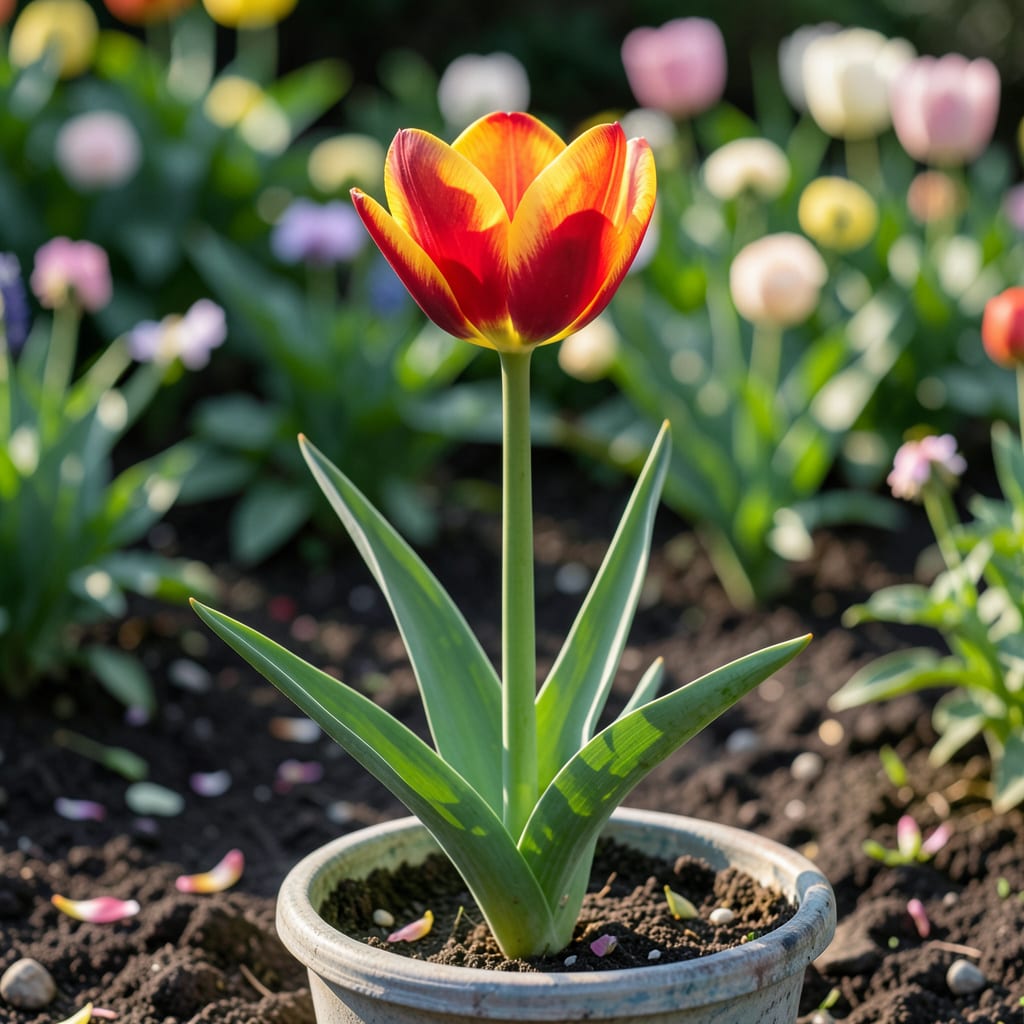
Tulips 💐 bring vibrant color to gardens, but their fleeting bloom can leave gardeners wondering how to make the most of their flowering period. In USDA Zone 6, tulips typically bloom in spring.
Understanding how to care for tulips during their bloom period is crucial for maximizing their display. I’ll share practical tips on extending their bloom and making the most of these beautiful flowers.
Tulips are one of the most popular spring-flowering bulbs, known for their vibrant colors and elegant shapes. The duration of their bloom is a common concern among gardeners. Typically, tulips stay in bloom for 1-3 weeks, depending on various factors 🌼.
The blooming period of tulips can be influenced by several factors, including weather conditions, soil quality, and tulip variety. Understanding these factors can help gardeners make the most of their tulip display 🌸.
Weather conditions play a significant role in determining how long tulips stay in bloom. Cooler temperatures can prolong the blooming period, while warmer weather can shorten it. Rainfall and sunlight exposure also impact the duration of the bloom ⛅️.
Soil quality is another crucial factor. Tulips planted in well-draining soil with adequate nutrients tend to have a longer and healthier bloom. Poor soil conditions can lead to a shorter blooming period 🌿.
The tulip variety is also a key factor. Some varieties are bred for their long-lasting blooms, while others may have a shorter flowering period. Understanding the specific needs and characteristics of your tulip variety can help you optimize their bloom 🌺.
In USDA Zone 6, the average bloom duration for tulips is around 2 weeks. However, this can vary depending on the specific weather conditions and care provided to the plants 📆.
To maximize the blooming period, gardeners can take several steps, including planting multiple tulip varieties with different bloom times and providing optimal growing conditions 🌱.
Deadheading is another technique that can help extend the blooming period. By removing spent flowers, gardeners can encourage the tulips to focus their energy on re-growing and storing energy for next year’s bloom 💪.
Overall, understanding the factors that affect tulip bloom duration and taking steps to optimize growing conditions can help gardeners enjoy their tulips for a longer period 🌼.
By providing the right care and attention, gardeners can maximize the beauty and enjoyment of their tulip display 🌺.
In conclusion, tulips are a beautiful and rewarding addition to any garden, and with proper care, they can provide a stunning display of color and beauty for weeks to come 🌸.
To maximize your tulip display, consider implementing several strategies that can help extend their blooming period. By taking a few simple steps, you can enjoy your tulips for a longer time 🌼.
One effective way to prolong the blooming period is to plant multiple tulip varieties with different bloom times. This approach ensures a continuous display of flowers throughout the spring season 🌺.
Select a mix of tulip varieties that bloom at different times to extend the overall blooming period. This can include early, mid-season, and late-blooming tulips 🌸.
Tulips last longer when planted in a cooler location. Avoid planting them in areas that receive direct sunlight for extended periods ⛅️.
Remove spent flowers to encourage the tulips to focus their energy on re-growing and storing energy for next year’s bloom 💪.
In addition to these strategies, providing optimal growing conditions is crucial for extending the blooming period. This includes ensuring the soil is well-draining and rich in nutrients 🌿.
By implementing these tips, you can enjoy a longer and more vibrant tulip display in your garden 🌺.
Proper care and attention to your tulips can make a significant difference in their blooming period. With a little planning and effort, you can maximize the beauty and enjoyment of your tulip display 🌼.
Extending the tulip bloom period requires a combination of good planning, proper care, and attention to detail. By following these tips, you can enjoy your tulips for a longer period and make the most of their beautiful blooms 🌸.
After tulips finish blooming, it’s essential to provide proper care to maintain the health and vigor of the bulbs. This care will ensure they continue to thrive and bloom beautifully in future seasons 🌼.
One crucial step in post-bloom care is managing the foliage. Allow the tulip leaves to die back naturally, as this process enables the bulb to store energy for next year’s bloom 🌱.
Avoid cutting or braiding tulip foliage after blooming, as this can weaken the bulb and reduce future blooms.
Deadheading is another important practice. Remove the spent flowers to prevent the tulips from expending energy on seed production. This helps direct the bulb’s energy towards re-growing and storing energy for the next year’s bloom 💪.
Fertilizing after blooming is also beneficial. Use a low-nitrogen, high-potassium fertilizer to promote bulb health and future flowering. This type of fertilizer supports the bulb’s energy storage and root development 🌿.
In USDA Zone 6, it’s recommended to fertilize tulips immediately after they finish blooming. This timing helps the bulbs recover from flowering and prepares them for the next growing season 📆.
Proper watering during the post-bloom period is also crucial. Keep the soil moist but not waterlogged, as excessive moisture can lead to bulb rot. Regular watering supports the bulb’s energy storage and overall health 💧.
By following these post-bloom care tips, you can ensure your tulips remain healthy and continue to provide a vibrant display of color in your garden for years to come 🌺.
With a little care and attention, your tulips will thrive and bloom beautifully season after season, bringing joy and beauty to your outdoor space 🌸.
Tulips usually stay in bloom for 1-3 weeks, depending on factors like weather, soil quality, and tulip variety. Cooler temperatures can prolong the blooming period, while warmer weather can shorten it. Proper care can help maximize their display .
Yes, you can extend the tulip blooming period by planting multiple varieties with different bloom times and providing optimal growing conditions. Deadheading spent flowers also helps direct the bulb’s energy towards re-growing and storing energy for next year’s bloom .
After tulips finish blooming, allow the foliage to die back naturally to enable the bulb to store energy for next year’s bloom. Remove spent flowers (deadheading) and consider fertilizing with a low-nitrogen, high-potassium fertilizer to promote bulb health .
Yes, weather conditions significantly impact tulip bloom duration. Cooler temperatures can prolong the blooming period, while warmer weather can shorten it. Rainfall and sunlight exposure also affect the duration .
