
Beautiful Plants For Your Interior
Beautiful Plants For Your Interior
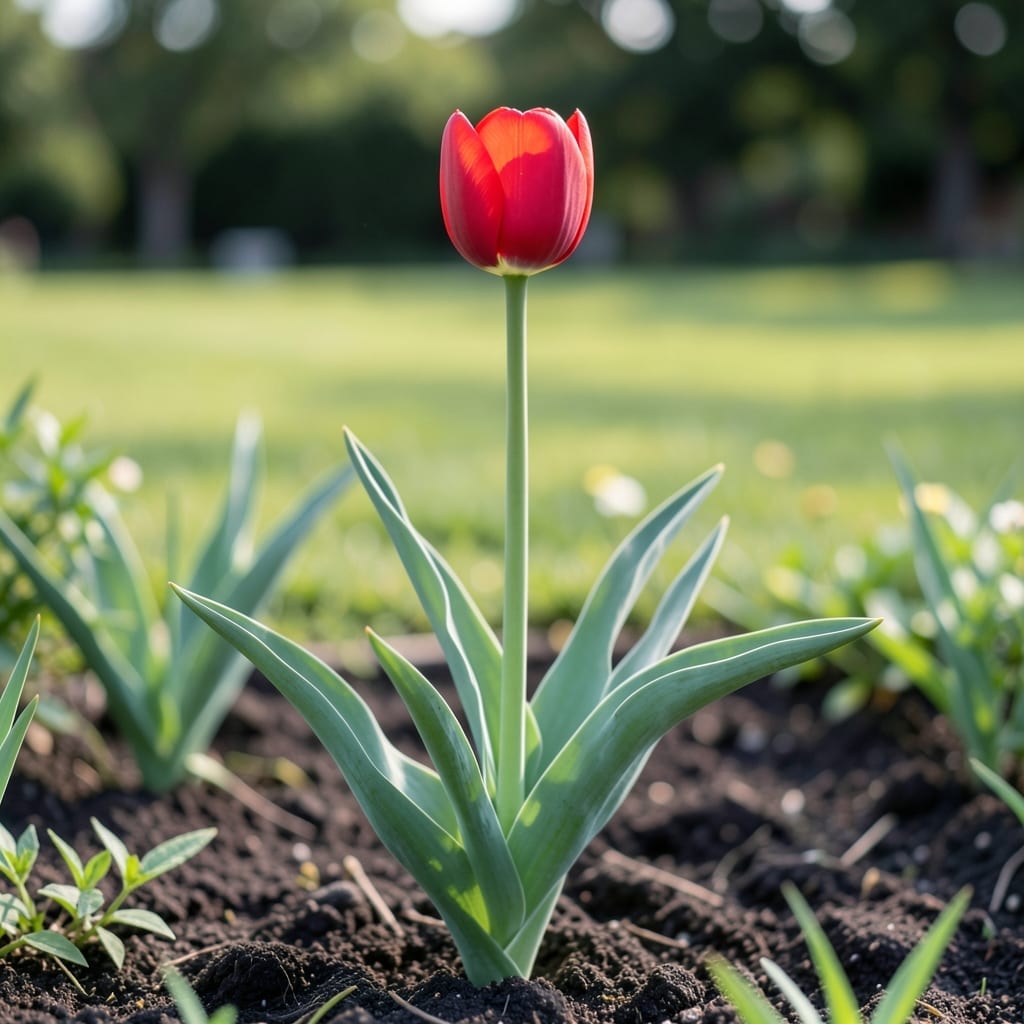
There’s something magical about watching 🌷 Tulip petals unfurl each spring. That burst of color is the payoff for all your fall planting efforts, but it never seems to last as long as we’d like.
While these beauties light up our gardens, their natural blooming window is surprisingly short. I’ve learned through experience that timing and care make all the difference in extending their display.
Discover how to make the most of your Tulip season with practical tips that help each bloom shine a little longer. Let’s dig in.
I often get asked about the tulip blooming period by fellow gardeners. The truth is, these spring stars typically grace us with their colorful petals for just 5 to 10 days per flower.
This short window depends heavily on weather conditions, the specific tulip variety, and how well we care for them. Some years, a late frost can cut this even shorter, while perfect spring weather might extend it slightly.
| Stage | Duration | Key Notes |
|---|---|---|
| Bud Formation | 2-3 weeks | Underground development |
| Blooming | 5-10 days | Peak color display |
| Fading | 3-5 days | Petals begin to wilt |
| Post-Bloom | 6 weeks | Foliage photosynthesizes |
The blooming phase is just one part of the tulip’s annual cycle. Before those beautiful petals appear, the bulb spends months developing roots and storing energy underground.
When spring arrives and soil temperatures rise, the flower bud emerges and rapidly grows. This is when proper watering and sunlight exposure become critical to support the blooming process.
I’ve noticed that cool spring temperatures (around 50-60°F) tend to extend the bloom time, while hot weather can make flowers fade faster. This is why tulips often last longer in early spring than in late spring.
Different tulip varieties also have varying bloom durations. Some early bloomers like Fosteriana tulips might last a bit longer than late-season varieties. The key is knowing your specific type and its typical behavior.
The post-bloom period is just as important as the flowering stage. During these 6 weeks after blooming, the plant focuses on rebuilding its bulb for next year. This is when you should keep watering but avoid fertilizing.
I always remind gardeners that while the blooms are fleeting, the entire tulip growing process is a year-long journey. The short display is the reward for all that unseen work happening underground.
To maximize your tulip enjoyment, consider staggering planting times or selecting varieties with different bloom periods. This creates a continuous display rather than one short burst of color.
🌷I’ve found that while we can’t change a tulip’s natural lifespan, we can influence how long those beautiful blooms last in our gardens. With some simple techniques, you can stretch that 5-10 day window to its maximum.
The key is working with nature rather than against it. Small adjustments in planting depth, watering habits, and temperature control can make a surprising difference in bloom longevity.
I always recommend planting tulip bulbs deeper than the standard 6 inches. Going to 8 inches keeps the bulbs cooler, which slows down the blooming process and can add 2-3 extra days to your display.
When it comes to watering, the method matters as much as the frequency. I’ve learned to water at the base of the plant rather than overhead. This prevents water spots on petals and reduces the risk of fungal diseases that can cut blooms short.
Deadheading is one of the simplest yet most effective ways to extend your tulip season. By removing spent flowers immediately, you prevent the plant from putting energy into seed production, allowing it to focus on maintaining existing blooms.
For gardeners in warmer climates, providing afternoon shade can be a game-changer. This protects the blooms from intense heat that can cause them to wilt prematurely. A simple shade cloth or strategic planting near taller plants can work wonders.☀️