
Beautiful Plants For Your Interior
Beautiful Plants For Your Interior
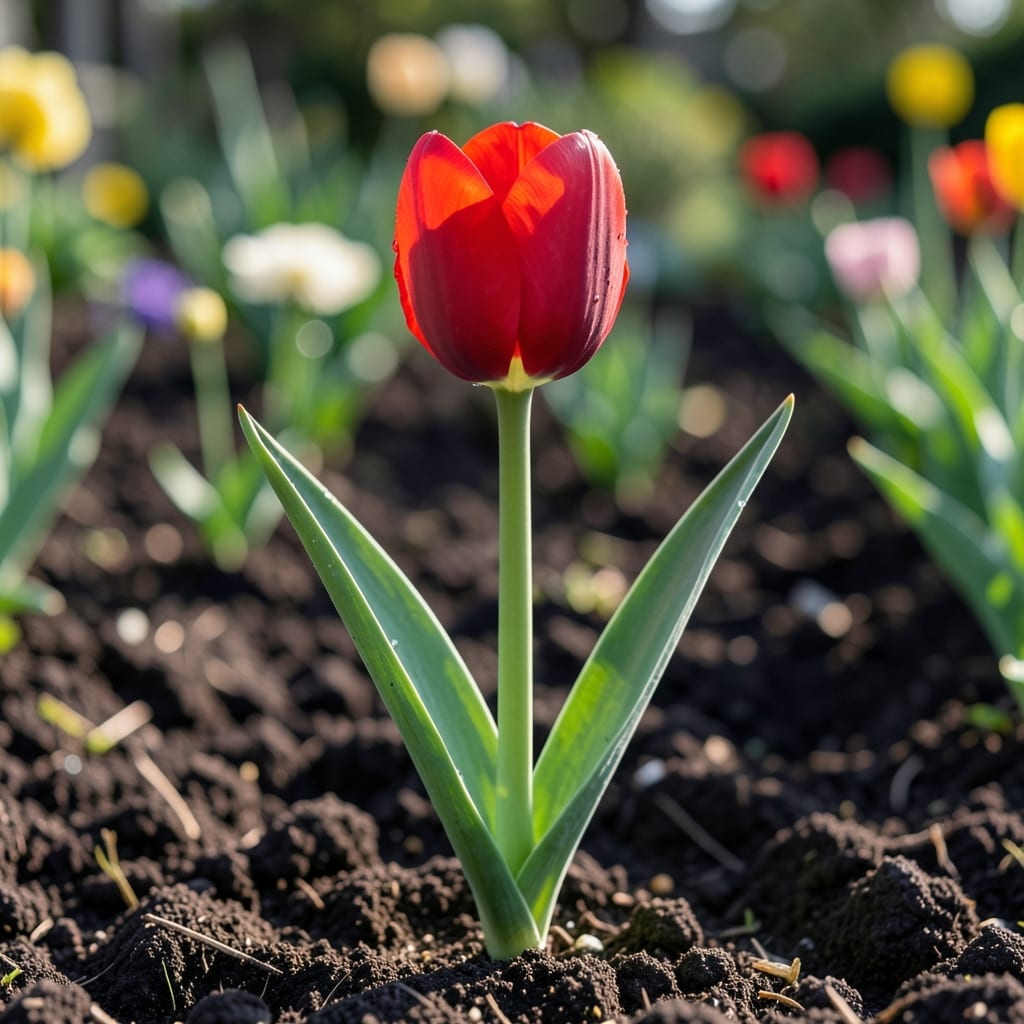
Tulips burst into vibrant color each spring, but their lifespan in the ground is often shorter than we expect. With the right care, you can enjoy these 🌷 beauties for years, not just a season.
Many gardeners assume tulips are one-and-done, but they’re actually perennials that can rebound. The key lies in understanding their natural cycle and giving them what they need.
Discover how long tulips truly last and the simple steps to help them thrive. It’s easier than you think to keep them coming back.
If left entirely to their own devices, tulip bulbs typically last 2-5 years in the ground. This lifespan varies widely based on climate, soil quality, and the specific tulip variety you’ve planted.
In ideal conditions, some heirloom tulips like Darwin Hybrids or Fosteriana tulips can persist and bloom for 5+ years. But many modern hybrids, especially the fancy double-late tulips, often fade after just 1-2 seasons. 🌷
| Impact on Lifespan | |
|---|---|
| Climate Zone | 3-8 years in ideal USDA Zones 3-8 |
| Soil Drainage | Poor drainage cuts life to 1-2 years |
| Sunlight | Full sun extends to 5+ years |
| Bulb Type | Species tulips last longer than hybrids |
One of the biggest surprises for new gardeners is that tulips aren’t true perennials in many regions. In warmer USDA Zones 9-10, they often behave as annuals, dying out after a single bloom cycle without chilling treatment.
Even in colder climates, bulb exhaustion is a real issue. Each year, the bulb uses stored energy to produce flowers. Without proper post-bloom care, they’ll deplete their reserves and stop returning. I’ve seen this happen in my own garden when I neglected to feed them.
The soil condition plays a huge role too. Heavy clay soils or areas with standing water will rot bulbs quickly. I always amend my beds with compost and sand to improve drainage before planting. 🌱
Another factor is pest pressure. Squirrels and deer love tulip bulbs, and if they dig them up, your tulips won’t last long at all. I’ve had to use chicken wire cages in my garden to protect them.
If you notice your tulips producing fewer blooms each year or blind stems (no flowers), it’s a sign they’re nearing the end of their natural lifespan. This is the bulb’s way of telling you it’s running out of energy.
Interestingly, wild tulips like Tulipa tarda or Tulipa turkestanica can naturalize and spread for decades in the right conditions. These are the ones I recommend if you want low-maintenance tulips that come back year after year. 🌿
In my experience, the tulips that last the longest are those planted in well-prepared beds with good spacing (about 4-6 inches apart). This reduces competition for nutrients and gives each bulb room to store energy for the next year.
With a few simple practices, I’ve found I can double or triple how long my tulips last in the ground. The key is giving bulbs the right care before, during, and after they bloom. Proper planting depth is the first step.
I always plant my bulbs 6-8 inches deep and 4-6 inches apart. This depth protects them from freeze-thaw cycles and gives them room to store energy for next year’s blooms. 🌱
After my tulips bloom, I
I also apply a balanced fertilizer right after blooming. I use a 5-10-10 mix at about 2 tbsp per square foot. This gives the bulbs a nutrient boost just when they need it most to rebuild their energy stores.
Proper watering is another game-changer. During fall, I water my tulips weekly to encourage root growth. In spring, I keep the soil moist but not soggy until the foliage dies back naturally.
Every 3-4 years, I dig up my tulip bulbs in early summer when the foliage has turned yellow. I separate the offsets from the mother bulb and replant the healthiest ones. This prevents overcrowding and gives each bulb more resources. ✂️