
Beautiful Plants For Your Interior
Beautiful Plants For Your Interior
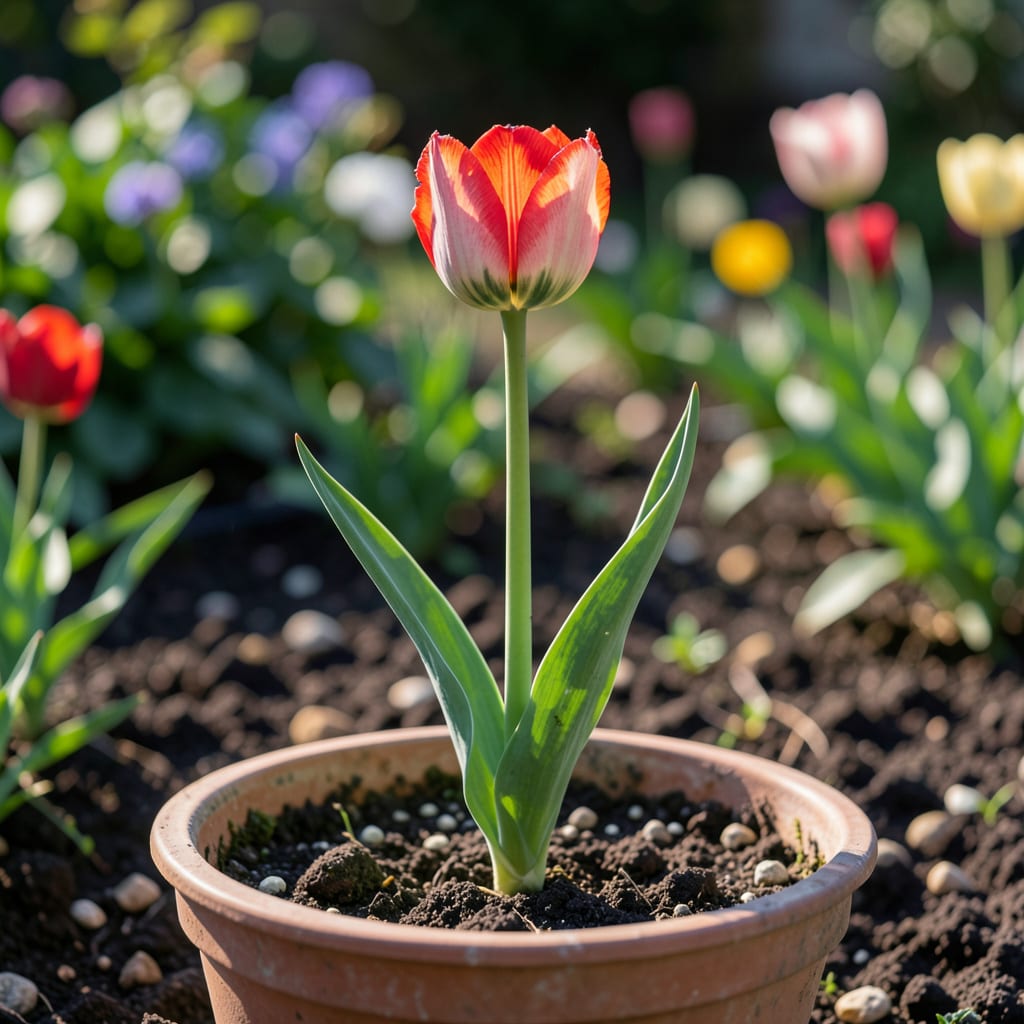
Tulips bring vibrant color to gardens in spring with their beautiful 💐 blooms. But how long do they actually last after flowering? Understanding their post-bloom lifespan is key to maximizing their display.
I’ll walk you through what to expect after tulips finish blooming, including how to care for them and tips to ensure they return next season. Let’s explore the lifecycle of these lovely flowers.
Tulips bring vibrant color to gardens in spring with their beautiful 💐 blooms. But how long do they actually last after flowering? Understanding their post-bloom lifespan is key to maximizing their display.
I’ll walk you through what to expect after tulips finish blooming, including how to care for them and tips to ensure they return next season. Let’s explore the lifecycle of these lovely flowers 🌼.
The blooming period for tulips typically lasts between 1-3 weeks, depending on the variety and weather conditions. After the flowers fade, the post-bloom foliage stage begins, lasting about 6-8 weeks 🌿.
During this time, the foliage gradually dies back naturally, allowing the bulb to store energy for next year’s bloom. It’s crucial not to remove the foliage too early, as this can weaken the bulb 🔍.
After the foliage has completely died back, tulips enter a dormant period during the summer months. This rest period is essential for the bulb’s rejuvenation and preparation for the next growing season 🌻.
Proper post-bloom care is essential for maintaining healthy tulip bulbs. This includes deadheading spent flowers, allowing foliage to die back naturally, and providing appropriate post-bloom fertilization 🌱.
Understanding these stages helps gardeners provide the best care for their tulips, ensuring they return with beautiful blooms in future seasons 💐.
The entire tulip lifecycle after blooming, from flowering to dormancy, is a critical period that requires careful management to ensure the bulbs remain healthy and vigorous 🔄.
By following proper care techniques during this time, gardeners can enjoy their tulips for years to come, with many varieties naturalizing and multiplying over time 🌼.
Effective post-bloom care sets the stage for successful future blooming, making it an essential part of tulip gardening 📅.
Monitoring the tulip’s progress through these stages helps gardeners identify any potential issues early, allowing for timely interventions to maintain plant health 🧐.
I understand that proper care after tulips finish blooming is crucial for their long-term health and future flowering. Let’s explore the essential steps to maintain healthy tulip bulbs after they’ve finished blooming 🌼.
Post-bloom care is critical for tulips as it directly impacts their ability to bloom again in subsequent seasons. The period after flowering is when the bulb replenishes its energy stores 🔋.
Remove faded flowers to prevent seed production and direct energy back to the bulb 🌺.
Let leaves turn yellow and wither naturally, which can take 6-8 weeks after blooming 🌱.
Apply a balanced fertilizer to provide nutrients for next year’s bloom 🌻.
By following these essential post-bloom care steps, you can ensure your tulips remain healthy and continue to bloom beautifully in future seasons 💐.
It’s also worth noting that different tulip varieties may have slightly different needs, so be sure to check specific care instructions for your particular bulbs 📚.
Proper care during the post-bloom period is an investment in future blooms, making it a vital part of tulip gardening 🔮.
By deadheading and allowing foliage to die back naturally, you’re giving your tulips the best chance to bloom again next year 🌼.
Additionally, consider post-bloom fertilization as a way to replenish soil nutrients and support the health of your tulip bulbs 🌱.
I understand that proper care after tulips finish blooming is crucial for their long-term health and future flowering 🌼.
To maximize tulip performance after blooming, several advanced techniques can be employed to improve their return and overall health 🔍.
For optimal tulip performance, consider post-bloom fertilization with a balanced fertilizer to replenish soil nutrients and support bulb health 🌱.
Fertilization after blooming is a critical step in maximizing tulip performance. Applying a 5-10-10 NPK fertilizer helps replenish the bulb’s energy stores for next year’s bloom 🌻.
Soil management is another key factor. Ensuring good drainage and aeration around the bulbs can prevent rot and other diseases that might affect future blooms 🌿.
Bulb division is an advanced technique that can help maintain tulip health and vigor. Dividing and replanting every 3-4 years can prevent overcrowding and promote better flowering 🔄.
By implementing these advanced gardening strategies, you can significantly improve the performance of your tulips after they bloom, ensuring they continue to thrive and beautify your garden for years to come 💐.
Monitoring your tulips’ response to these techniques and adjusting your care routine accordingly will help you achieve the best results 📊.
Effective post-bloom care is an investment in the future beauty of your tulip display, making it a worthwhile effort for any gardener 🌼.
By combining these advanced techniques with proper basic care, you can enjoy a vibrant and healthy tulip garden season after season 🌻.
Tulip foliage typically lasts 6-8 weeks after blooming before it dies back naturally. This period allows the bulb to store energy for next year’s bloom. It’s essential not to remove the foliage too early, as this can weaken the bulb .
Yes, deadheading spent tulip blooms is recommended. Removing faded flowers prevents seed production and directs the bulb’s energy back into storing nutrients for next year’s bloom . This helps maintain the bulb’s health and promotes future flowering.
No, it’s crucial to allow tulip foliage to die back naturally. Cutting it back too early can weaken the bulb and affect future blooms . Let the leaves turn yellow and wither on their own, which usually takes 6-8 weeks after flowering.
Apply a balanced fertilizer (such as 5-10-10 NPK) after blooming to replenish soil nutrients and support bulb health . This fertilization helps the bulb store energy for next year’s bloom, ensuring continued healthy flowering.
