
Beautiful Plants For Your Interior
Beautiful Plants For Your Interior
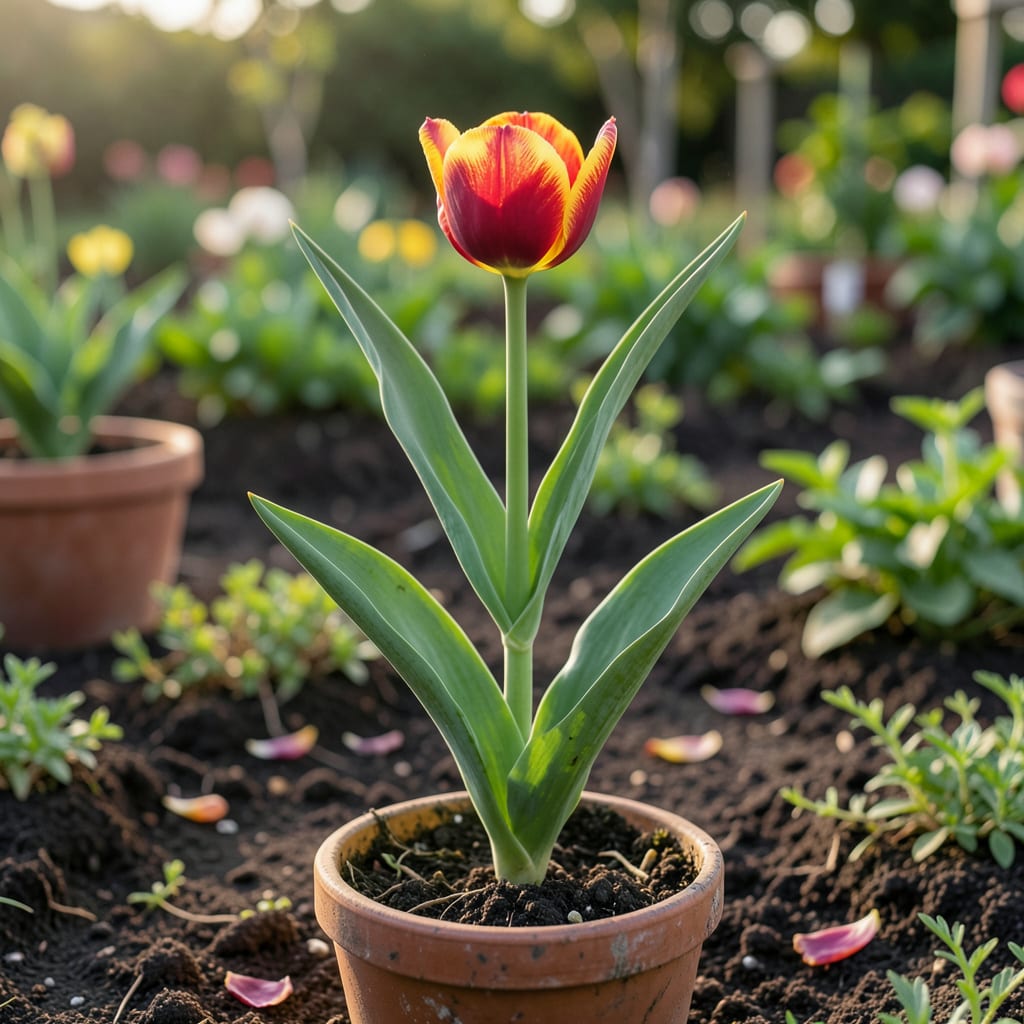
Tulips 💐 are a springtime favorite, but their blooming period can be disappointingly short. If you’re wondering how to make the most of these beautiful flowers, you’re not alone – many gardeners struggle to keep their tulips blooming for as long as possible.
In USDA Zone 6, tulips typically bloom for several weeks in the spring. With proper care and planning, you can enjoy these gorgeous flowers for even longer – I’ll share expert tips on how to extend their blooming period and keep your garden looking its best.
Tulips are one of the most popular spring-flowering bulbs, but their blooming period can be relatively short. Typically, tulips bloom for 1-3 weeks, depending on the variety and growing conditions. Understanding the factors that affect tulip bloom duration can help you make the most of these beautiful flowers 🌼.
The natural blooming period of tulips is influenced by several factors, including weather conditions, soil quality, and proper planting techniques. Weather conditions, such as temperature and rainfall, can significantly impact tulip bloom duration. For example, cooler temperatures can prolong the blooming period, while warm weather can cause tulips to bloom more quickly 🔥.
Soil quality is another critical factor in determining tulip bloom duration. Tulips prefer well-draining soil that is rich in organic matter. Soil that is too wet or dry can cause tulips to bloom more quickly or not at all. Adding organic fertilizer after blooming can help promote healthy bulb growth and extend the blooming period in subsequent years 🌱.
Proper planting techniques are also essential for maximizing tulip bloom duration. Planting tulip bulbs at the correct depth and spacing can help prevent overcrowding and promote healthy growth. In general, tulip bulbs should be planted 2-3 times deeper than the height of the bulb, and spaced 3-6 inches apart 🌿.
In addition to these factors, the specific tulip variety can also impact bloom duration. Some tulip varieties, such as species tulips, are known for their longer blooming periods, while others, such as Darwin Hybrids, tend to bloom more quickly. Understanding the characteristics of different tulip varieties can help you choose the best bulbs for your garden 💐.
By understanding the factors that affect tulip bloom duration, you can take steps to maximize the blooming period and enjoy these beautiful flowers for longer. Whether you’re a seasoned gardener or just starting out, with a little planning and care, you can enjoy a vibrant and colorful tulip display that lasts for weeks 🌸.
It’s also worth noting that tulips are perennial plants that can naturalize over time, providing a beautiful display of flowers year after year. With proper care and maintenance, tulips can continue to bloom for many years, making them a great investment for any garden 🌻.
In the next section, we’ll explore some expert tips for extending the tulip blooming period and keeping your garden looking its best. By combining these tips with a deeper understanding of the factors that affect tulip bloom duration, you can create a stunning and long-lasting tulip display that will be the envy of your neighbors 🌼.
Overall, understanding tulip bloom duration and the factors that affect it is key to getting the most out of these beautiful flowers. By taking the time to learn about tulip care and maintenance, you can enjoy a vibrant and colorful tulip display that lasts for weeks, and provides a beautiful foundation for your garden 💐.
With this knowledge, you’ll be better equipped to plan and care for your tulips, ensuring they bloom for as long as possible and bring joy to your garden for years to come 🌸.
To make the most of your tulips, it’s essential to understand how to extend their blooming period. By implementing a few simple techniques, you can enjoy these beautiful flowers for longer 🌼.
One of the most effective ways to extend the blooming period of tulips is through proper deadheading. Removing spent flowers can help direct the bulb’s energy towards re-growing and storing energy for next year’s bloom, rather than seed production 🌺.
Remove faded blooms to direct energy back to the bulb for next year’s flowering.
Let leaves remain until they turn yellow and wither naturally, usually 4-6 weeks after blooming.
Apply low-nitrogen, high-potassium fertilizer to support bulb health and future blooms.
In addition to these tips, strategic planting can also help extend the tulip blooming period. By planting a mix of early, mid-season, and late-blooming tulip varieties, you can enjoy a continuous display of flowers throughout the spring 🌸.
Another key factor in extending the blooming period is post-bloom care. After tulips finish blooming, it’s essential to allow the foliage to mature and turn yellow before removing it. This process can take several weeks to a few months, depending on the variety and growing conditions 🌿.
By following these expert tips and providing your tulips with proper care, you can enjoy a longer and more vibrant blooming period. With a little planning and attention, you can make the most of these beautiful flowers and add color and beauty to your garden for weeks to come 💐.
It’s also worth noting that tulips are perennial plants that can naturalize over time. By providing proper care and maintenance, you can enjoy a beautiful display of tulips year after year 🌼.
By combining these techniques with a deeper understanding of tulip care, you can create a stunning and long-lasting tulip display that will be the envy of your neighbors 🌸.
To enjoy tulips throughout the spring season, strategic planting is essential. By selecting a mix of early, mid-season, and late-blooming varieties, you can create a continuous display of color in your garden 🌼.
Plant a mix of early, mid-season, and late-blooming tulip varieties to enjoy continuous blooms throughout spring.
The key to successful tulip planting is understanding the different blooming periods of various tulip types. Early-blooming tulips typically flower in early spring, while late-blooming varieties can bloom as late as late spring 🌸.
When planning your tulip garden, consider factors like weather conditions and soil quality. Tulips prefer well-draining soil and full sun to partial shade. By choosing varieties that thrive in your local climate, you can enjoy a longer blooming season 🌻.
In addition to selecting the right tulip varieties, planting times can also impact bloom duration. In most regions, the best time to plant tulips is in the fall, about 6-8 weeks before the ground freezes. This allows the bulbs to establish themselves before winter 🌿.
By combining strategic planting with proper care and maintenance, you can enjoy a vibrant and colorful tulip display that lasts for weeks. Whether you’re a seasoned gardener or just starting out, with a little planning and attention, you can make the most of these beautiful flowers and add color and beauty to your garden for weeks to come 💐.
To maximize your tulip blooming period, consider companion planting with other spring-flowering bulbs like daffodils or hyacinths. This can create a dynamic and interesting garden display that changes throughout the season 🌼.
By following these tips and providing your tulips with proper care, you can enjoy a stunning and long-lasting tulip display that will be the envy of your neighbors 🌸.
Tulips usually bloom for 1-3 weeks, depending on the variety and growing conditions. Weather conditions, soil quality, and proper planting techniques can all impact bloom duration .
Yes, you can extend the blooming period by planting a mix of early, mid-season, and late-blooming tulip varieties. This strategic planting can provide a continuous display of color throughout the spring .
After tulips finish blooming, allow the foliage to mature and turn yellow before removing it. This process can take several weeks to a few months. You can also fertilize after blooming with a low-nitrogen, high-potassium fertilizer to support bulb health .
In most regions, the best time to plant tulips is in the fall, about 6-8 weeks before the ground freezes. This allows the bulbs to establish themselves before winter .
