
Beautiful Plants For Your Interior
Beautiful Plants For Your Interior
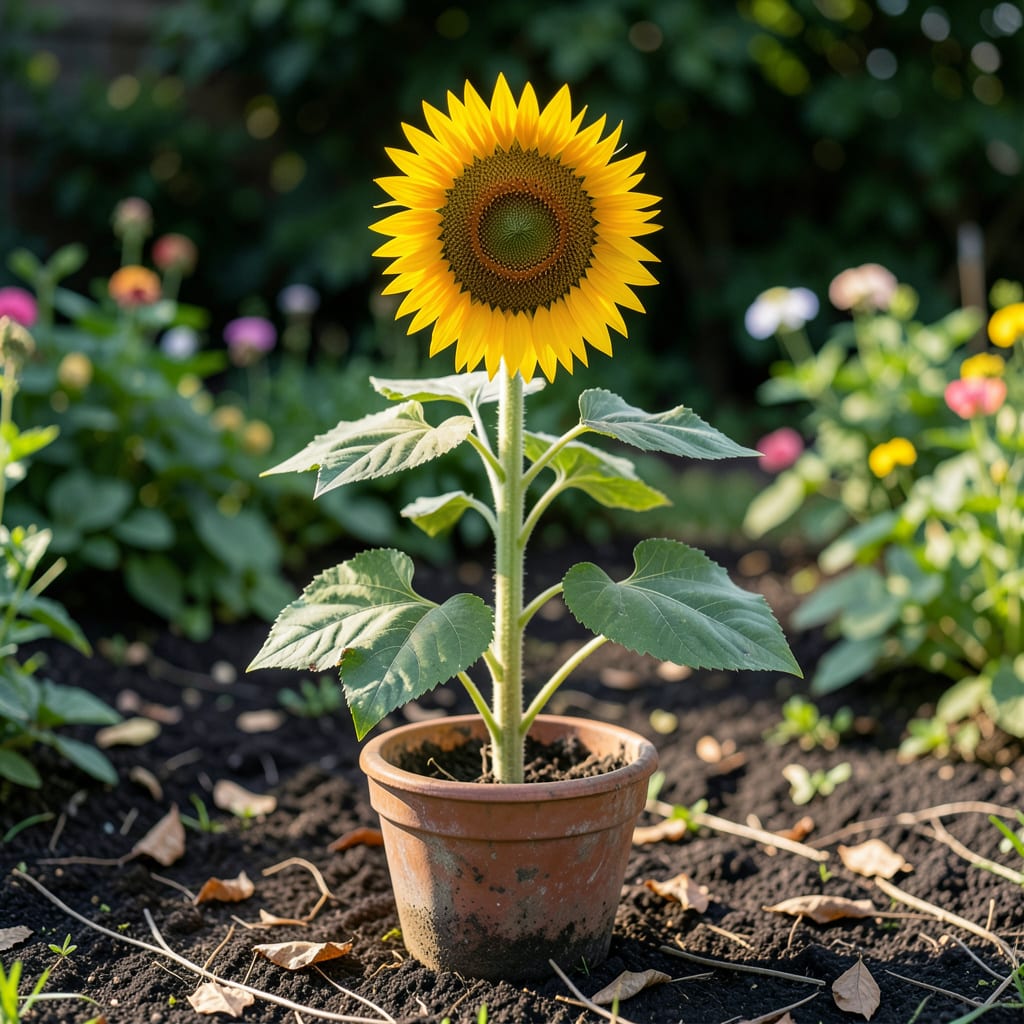
I’ve always been fascinated by sunflowers 🌻 and their impressive growth journey. From seed to bloom, these beautiful flowers can brighten up any garden in USDA Zone 6 during spring.
So, how long does it actually take for sunflowers to bloom? Let’s explore the typical growth timeline and what factors can influence their blooming period, helping you achieve the best results in your garden.
Understanding the growth cycle of sunflowers is crucial for gardeners who want to optimize their blooming period. Generally, sunflowers take between 60 to 90 days to bloom from the time they are planted as seeds.
The exact blooming time can vary based on several factors including the variety of sunflower, weather conditions, and soil quality. 🌻
The germination stage is the first step, where the seed begins to sprout. This usually takes 7-10 days under optimal conditions. Following germination, the seedling stage lasts for about 1-2 weeks, during which the young plant develops its first set of leaves.
The growth stage is the most significant phase, lasting 4-6 weeks. During this time, the sunflower plant grows tall and develops its flower head. Finally, the flowering stage occurs, which typically lasts 2-3 weeks. This is when the sunflower blooms and is ready for pollination.
In total, from planting the seed to enjoying the bloom, it takes approximately 60-90 days. This timeframe can be influenced by factors such as soil quality, sunlight exposure, and temperature. Ensuring optimal conditions can help sunflowers bloom within this expected timeframe.
Soil quality plays a significant role in the growth of sunflowers. They prefer well-drained soil that is rich in organic matter. 🌼
Sunlight exposure is another critical factor. Sunflowers require full sun to grow properly, meaning they need at least 6 hours of direct sunlight per day.
Temperature also affects the blooming time. Sunflowers thrive in warm temperatures between 65°F to 78°F (18°C to 25°C). Extreme temperatures can either hasten or delay blooming.
By understanding these factors and ensuring optimal growing conditions, gardeners can enjoy the beautiful blooms of their sunflowers within the expected 60-90 day timeframe.
Different varieties of sunflowers also have different blooming times. Some dwarf varieties may bloom faster, while taller varieties might take a bit longer.
To maximize the blooming period, gardeners can plant multiple sunflowers at different times. This technique, known as succession planting, ensures a continuous display of sunflower blooms throughout the growing season.
Overall, understanding the sunflower bloom timeline and the factors that influence it can help gardeners plan and enjoy a vibrant sunflower garden.
Several factors can influence how long it takes for sunflowers to bloom. Understanding these factors can help gardeners optimize growing conditions and achieve the best results.
The variety of sunflower is a significant factor. Different varieties have different blooming times, ranging from 60 to 90 days. Some dwarf varieties bloom faster, while taller varieties might take longer 🌻.
By understanding and managing these factors, gardeners can create optimal conditions for their sunflowers to bloom within the expected timeframe.
Soil quality significantly impacts sunflower growth. Ensuring the soil is well-drained and rich in organic matter can promote healthy growth 🌼.
Sunlight exposure is critical for sunflowers. They require full sun to grow properly, needing at least 6 hours of direct sunlight per day.
Temperature also plays a crucial role. Sunflowers thrive in warm temperatures between 65°F to 78°F (18°C to 25°C). Extreme temperatures can affect blooming time.
Watering consistently is vital, especially during the germination and growth stages. Proper moisture levels help ensure healthy growth and timely blooming.
Different sunflower varieties have unique characteristics that can influence their blooming time. Choosing the right variety can help gardeners achieve their desired bloom time.
I’ve found that several factors can influence how long it takes for sunflowers to bloom. Understanding these factors can help gardeners optimize growing conditions and achieve the best results.
The variety of sunflower is a significant factor. Different varieties have different blooming times, ranging from 60 to 90 days. Some dwarf varieties bloom faster, while taller varieties might take longer 🌻.
By understanding and managing these factors, gardeners can create optimal conditions for their sunflowers to bloom within the expected timeframe.
Soil quality significantly impacts sunflower growth. Ensuring the soil is well-drained and rich in organic matter can promote healthy growth 🌼.
Sunlight exposure is critical for sunflowers. They require full sun to grow properly, needing at least 6 hours of direct sunlight per day.
Temperature also plays a crucial role. Sunflowers thrive in warm temperatures between 65°F to 78°F (18°C to 25°C). Extreme temperatures can affect blooming time.
Watering consistently is vital, especially during the germination and growth stages. Proper moisture levels help ensure healthy growth and timely blooming.
Different sunflower varieties have unique characteristics that can influence their blooming time. Choosing the right variety can help gardeners achieve their desired bloom time.
Sunflowers typically take between 60 to 90 days to bloom from the time they’re planted as seeds. This timeframe can vary based on factors like the variety of sunflower, weather conditions, and soil quality.
Yes, you can optimize growing conditions to potentially speed up blooming. Ensure your sunflowers get full sun (at least 6 hours of direct sunlight daily), use well-drained soil rich in organic matter, and maintain consistent moisture levels, especially during germination and growth stages.
Watering consistently is vital, especially during the germination and growth stages. Water your sunflowers weekly, providing about 1 inch of water. Adjust based on weather conditions to maintain optimal moisture levels.
Yes, different varieties of sunflowers have different blooming times. Some dwarf varieties may bloom faster (around 60 days), while taller varieties might take longer (up to 90 days or more). Choosing the right variety can help you achieve your desired bloom time.
