
Beautiful Plants For Your Interior
Beautiful Plants For Your Interior
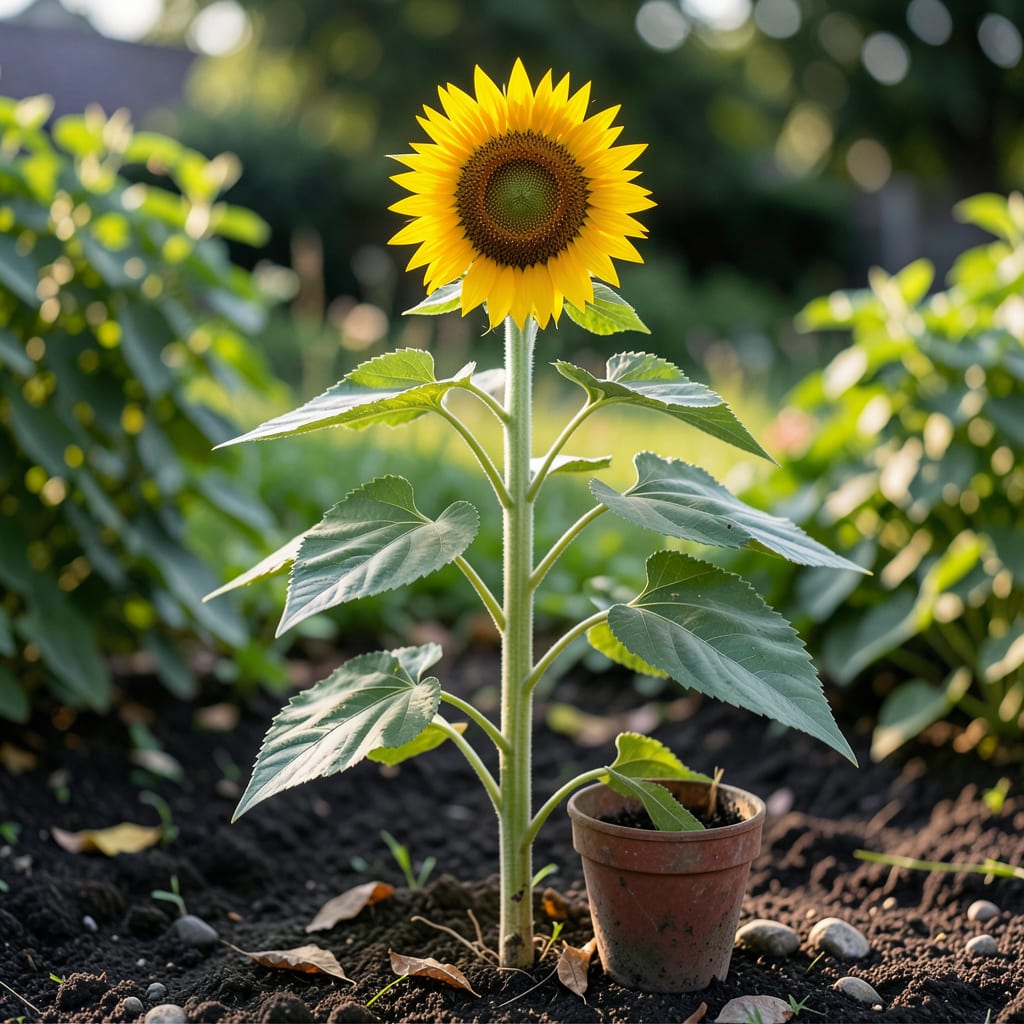
Sunflowers 🌻 brighten up gardens with their vibrant yellow petals, but have you ever wondered how long they actually bloom? The blooming period can vary depending on factors like variety and growing conditions.
In USDA Zone 6, you can typically enjoy sunflowers from July to September. By understanding their blooming cycle and implementing a few simple gardening tips, you can extend their flowering season and keep your garden looking beautiful.
Sunflowers are known for their bright yellow petals and tall stature, but their blooming period is relatively short. Typically, sunflowers bloom for 7 to 14 days, although some varieties may have a longer or shorter blooming period 🌻.
The blooming period of sunflowers is influenced by several factors, including the variety, climate, growing conditions, and care practices. Understanding these factors can help you plan and enjoy your sunflowers to the fullest.
Understanding these factors is crucial for maximizing your sunflower blooming season. By choosing the right variety and providing optimal growing conditions, you can enjoy your sunflowers for a longer period 🌼.
Different sunflower varieties have different blooming periods. Some early-blooming varieties may flower in as little as 60 days, while late-blooming varieties may take up to 120 days to mature.
The climate and growing conditions in your area also play a significant role in determining the blooming period of sunflowers. Sunflowers prefer warm weather with full sun and well-drained soil.
To maximize the blooming period, it’s essential to provide your sunflowers with proper care. This includes regular watering, balanced fertilization, and deadheading to encourage more blooms.
By understanding the factors that affect sunflower blooming and implementing proper care practices, you can enjoy a longer and more vibrant blooming season 🌻.
Sunflowers are not only beautiful but also relatively easy to care for. With the right conditions and care, they can thrive in your garden and provide a stunning display of color.
In addition to their beauty, sunflowers also have practical uses. Their seeds can be harvested for food, and their tall stalks can provide support for other plants in your garden.
Overall, sunflowers are a great addition to any garden. By understanding their blooming cycle and providing proper care, you can enjoy these beautiful flowers for a longer period 🌼.
With proper care and attention, sunflowers can be a rewarding and beautiful addition to your garden. Their bright yellow petals and tall stature make them a standout feature in any landscape 🌻.
To maximize your sunflower blooming season, I recommend implementing several practical gardening tips that can help extend the flowering period 🌼.
First, let’s look at some key strategies for prolonging sunflower blooms. The following table summarizes the most important factors:
Now that we’ve covered the key strategies, let’s dive into more detailed tips for extending the sunflower blooming season 🌻.
Select early, mid-season, and late-blooming varieties to extend the overall blooming season in your garden.
Plant new sunflower seeds every 1-2 weeks to ensure a continuous display of blooms throughout the growing season.
Remove spent blooms to encourage the plant to produce more flowers, thus extending the blooming period.
By implementing these strategies, you can enjoy a longer and more vibrant sunflower blooming season in your garden 🌼.
Proper care practices, including regular watering and balanced fertilization, are also crucial for maximizing the blooming period of sunflowers.
With these tips and a little planning, you can enjoy a stunning display of sunflowers throughout the growing season 🌻.
To achieve continuous sunflower blooms throughout the summer, I recommend implementing succession planting strategies and selecting a mix of early, mid-season, and late-blooming varieties 🌼.
Succession planting involves planting new sunflower seeds at regular intervals to ensure a continuous display of blooms. By planting new seeds every 1-2 weeks, you can enjoy a prolonged sunflower blooming season 🌻.
For continuous blooms, plant new sunflower seeds every 1-2 weeks and choose a mix of early, mid-season, and late-blooming varieties to extend the blooming season.
Choosing the right sunflower varieties is crucial for achieving continuous blooms. Look for a mix of early, mid-season, and late-blooming varieties to extend the overall blooming season in your garden 🌼.
In addition to succession planting and variety selection, proper care practices are essential for maximizing the blooming period of sunflowers. This includes maintaining regular watering and balanced fertilization throughout the growing season 🌻.
By implementing these strategies, you can enjoy a stunning display of sunflowers throughout the summer months. With a little planning and proper care, your garden can be filled with the bright and cheerful blooms of sunflowers 🌼.
Continuous sunflower blooms can add a beautiful and vibrant touch to your garden. By following these tips, you can create a stunning display that will be the envy of your neighbors and friends 🌻.
Sunflowers usually bloom for 7 to 14 days, although some varieties may have longer or shorter blooming periods. The blooming duration can be influenced by factors like variety, climate, and growing conditions. Proper care can help maximize their blooming time .
Yes, you can extend the sunflower blooming season by implementing succession planting and choosing a mix of early, mid-season, and late-blooming varieties. Planting new seeds every 1-2 weeks can ensure a continuous display of blooms throughout the growing season .
To maximize sunflower blooming, maintain regular watering, provide balanced fertilization, and practice deadheading to encourage more flowers. These care practices can help extend the blooming period and keep your sunflowers healthy .
Different sunflower varieties have different blooming periods, ranging from 60 to 120 days to maturity. Selecting a mix of varieties can help extend the overall blooming season in your garden. Early-blooming varieties flower quickly, while late-blooming varieties take longer to mature .
