
Beautiful Plants For Your Interior
Beautiful Plants For Your Interior
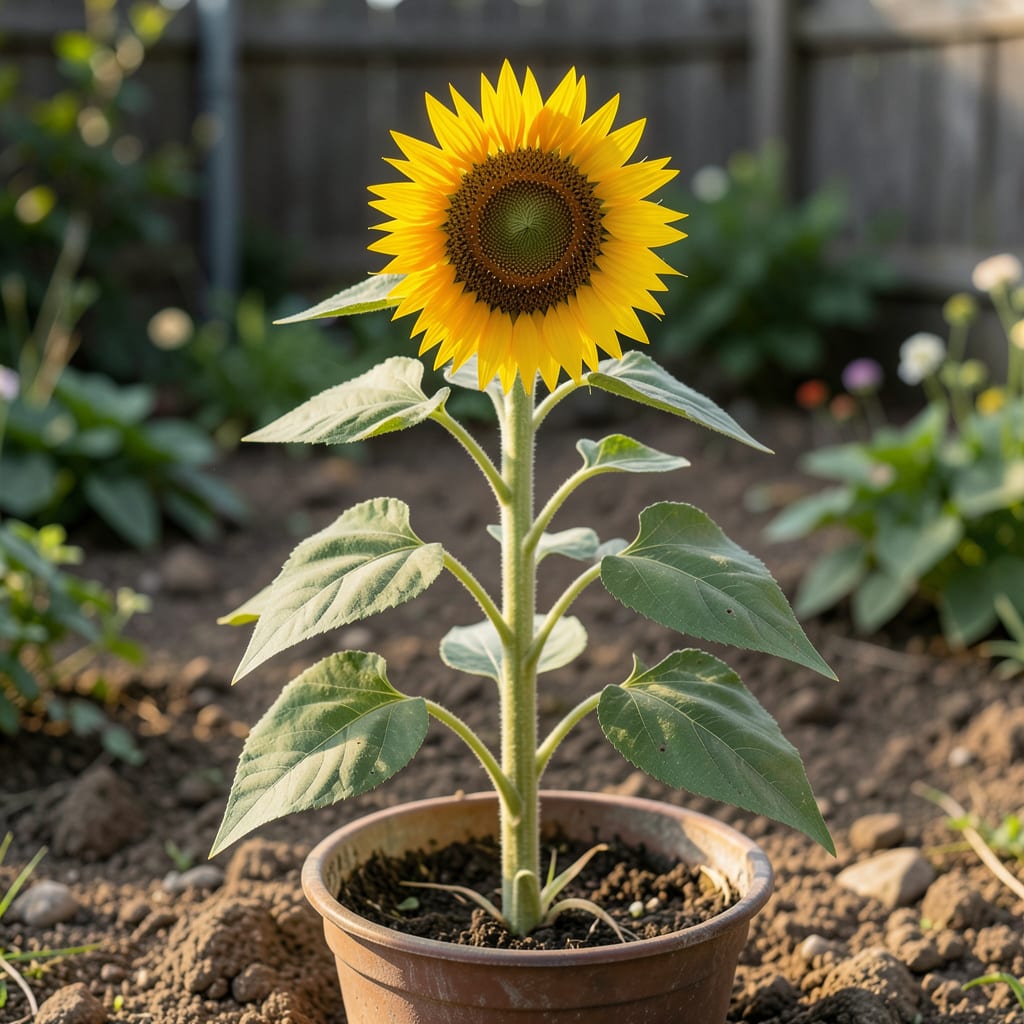
I’ve always been fascinated by sunflowers 🌻 and their bright, cheery blooms that light up any garden in USDA Zone 6. But how long do they actually bloom for? The answer depends on several factors, including the variety and growing conditions.
Generally, sunflowers bloom for 30 to 60 days, but with proper care and planning, you can enjoy their beautiful flowers for longer. Let’s explore the details to help you make the most of these stunning plants.
I’ve always been fascinated by how long sunflowers bloom for. The duration of their bloom is influenced by several factors, including the variety and growing conditions. Generally, sunflowers bloom for 30 to 60 days, but this can vary significantly.
The blooming period of sunflowers is affected by factors such as temperature, soil quality, and sunlight exposure. Understanding these factors can help gardeners optimize the blooming period of their sunflowers. Let’s take a closer look at these factors and how they impact sunflower bloom duration 🌻.
Understanding these factors is crucial for maximizing the blooming period of sunflowers. By controlling what we can, such as soil quality and sunlight exposure, we can potentially extend the blooming duration 🌼.
The ideal conditions for sunflowers include well-draining soil and full sun. Ensuring these conditions are met can help in achieving a longer blooming period. Additionally, the choice of sunflower variety plays a significant role in determining the bloom duration.
Some sunflower varieties are bred specifically for longer blooming periods. These varieties can provide a more extended display of flowers, making them ideal for gardeners looking to enjoy sunflowers for as long as possible 🌻.
By combining the right variety with optimal growing conditions, gardeners can maximize the blooming period of their sunflowers. This approach not only enhances the visual appeal of the garden but also increases the chances of successful seed production.
It’s also worth noting that staggered planting can be an effective strategy for achieving continuous sunflower blooms throughout the growing season. By planting sunflowers at different times, gardeners can enjoy a prolonged display of these beautiful flowers 🌼.
In conclusion, while the natural blooming period of sunflowers is generally between 30 to 60 days, gardeners can influence this duration through careful planning and optimal care practices. By understanding the factors that affect bloom duration and implementing strategies to maximize it, gardeners can enjoy sunflowers for a longer period 🌻.
To maximize sunflower bloom time, gardeners need to focus on several key factors that directly impact the duration and health of the blooms. The first step is understanding that sunflower varieties play a crucial role in determining bloom duration, with some lasting 30 days while others can bloom for 60 days or more. 🌻
One of the most effective ways to extend sunflower blooming is through strategic planting times. By planting sunflowers at different intervals, gardeners can enjoy continuous blooms throughout the growing season. This technique is particularly useful for achieving a prolonged display of sunflowers 🌼.
Select sunflower varieties known for their longer blooming periods to maximize your garden’s display.
Ensure your soil is well-draining and fertile to support healthy sunflower growth and longer blooming.
Sunflowers require full sun to bloom their best, so ensure they receive at least 6 hours of direct sunlight daily.
By implementing these strategies, gardeners can significantly extend the blooming period of their sunflowers. The key is to be proactive and attentive to the needs of the plants, ensuring they receive the best possible care 🌼.
Regular maintenance, such as deadheading and ensuring adequate water and nutrients, also plays a crucial role in maximizing bloom time. By following these expert tips, gardeners can enjoy a vibrant display of sunflowers for as long as possible 🌻.
Maximizing sunflower bloom time is a combination of choosing the right variety, optimizing growing conditions, and providing proper care. With these strategies in place, gardeners can look forward to a beautiful and prolonged sunflower display 🌼.
For gardeners looking to further enhance their sunflower display, considering companion planting can be beneficial. Certain plants, when grown alongside sunflowers, can improve their growth and blooming performance 🌻.
I recommend using staggered planting to achieve continuous sunflower blooms throughout the growing season. This strategy involves planting sunflowers at different times to ensure a prolonged display of these beautiful flowers 🌼.
The first step in implementing staggered planting is to determine your growing season. Understanding the length of your growing season will help you plan the number of plantings needed to achieve continuous blooms.
Decide on the number of plantings based on your growing season and desired bloom duration.
Plant sunflowers at 1-2 week intervals to achieve a continuous display of blooms.
Keep track of your plantings and adjust the schedule as needed based on weather conditions and growth rates.
By following these steps, gardeners can enjoy a prolonged and continuous display of sunflowers. This approach not only enhances the visual appeal of the garden but also provides a steady supply of sunflower seeds or cut flowers 🌻.
Staggered planting is a simple yet effective strategy for maximizing the blooming period of sunflowers. With careful planning and execution, gardeners can enjoy these beautiful flowers for a longer duration 🌼.
The benefits of staggered planting include a continuous display of blooms and a reduced risk of crop failure. By spreading out the planting times, gardeners can minimize the impact of adverse weather conditions or pests on their sunflower crop 🌻.
In conclusion, staggered planting is a valuable technique for gardeners looking to extend the blooming period of sunflowers. By understanding and implementing this strategy, gardeners can enjoy a more prolonged and vibrant display of these iconic flowers 🌼.
Sunflowers usually bloom for 30 to 60 days, depending on the variety and growing conditions. Some varieties can bloom for longer or shorter periods. Proper care can help maximize their blooming time .
Several factors influence sunflower bloom duration, including temperature, soil quality, and sunlight exposure. Weather conditions, such as rainfall and extreme heat, can also impact how long sunflowers bloom .
Yes, you can extend the blooming period by using staggered planting, choosing varieties with different bloom durations, and providing optimal growing conditions. This includes ensuring full sun and well-draining soil .
Yes, different sunflower varieties have varying bloom durations, ranging from 30 to 90 days. Some are bred specifically for longer blooming periods, making them ideal for gardeners who want to enjoy sunflowers for as long as possible .
