
Beautiful Plants For Your Interior
Beautiful Plants For Your Interior
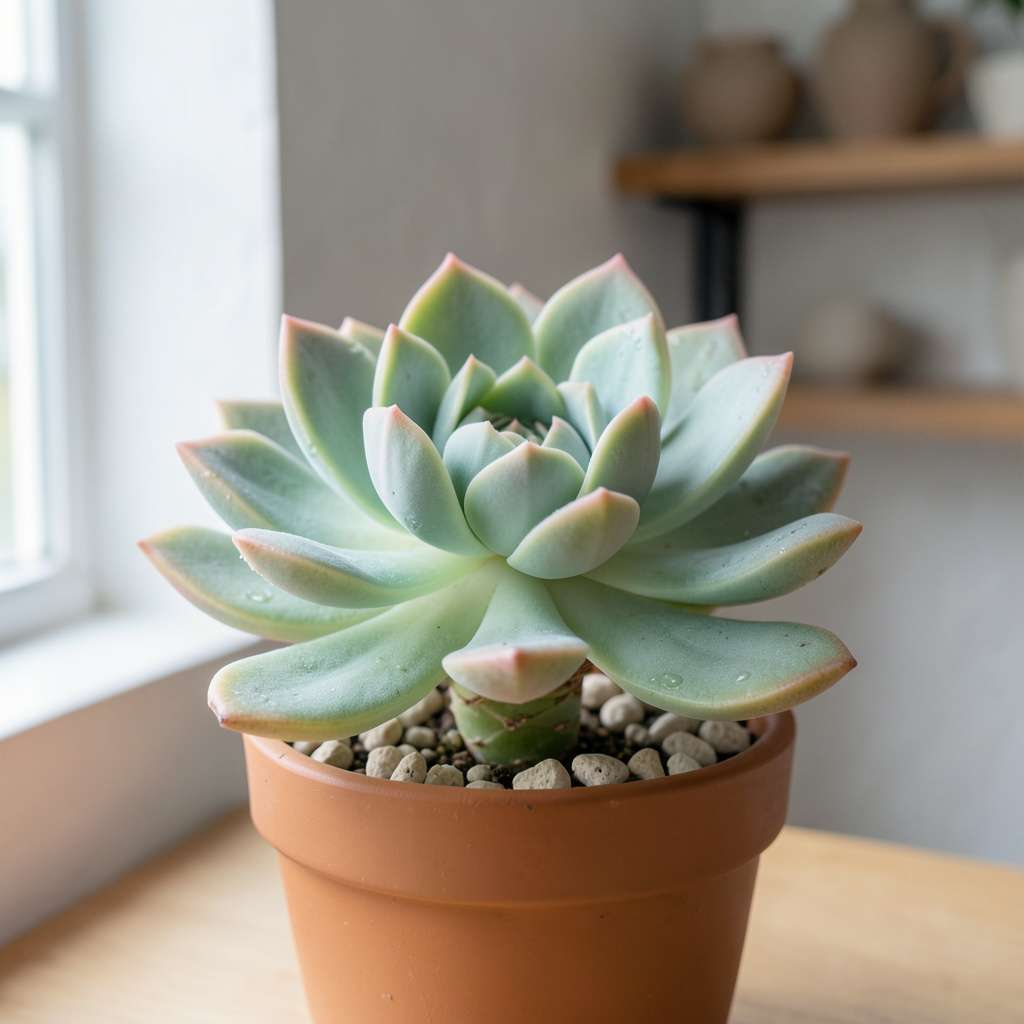
Succulents typically live 5-10 years on average, though some varieties like Sempervivums may survive decades with proper care. Indoor species often have shorter lifespans than outdoor ones due to controlled environments.
I’ve noticed that the secret to longevity often comes down to mimicking their natural habitats. 🌵 Desert natives like Agave or Aloe can thrive for 20+ years when given bright light and minimal water, while tropical varieties like Haworthias prefer more consistent moisture. What fascinates me is how their growth patterns change with seasons—many enter dormancy in summer heat, which actually preserves their energy for longer life.
The indoor environment creates unique challenges that shorten lifespans. Limited light from windows and stagnant air can stress plants over time. I always recommend rotating pots regularly and using grow lights during winter months to compensate. Even small adjustments like these can add years to your collection’s vitality. ✨
💡 In This Article
The genetic blueprint of each succulent species plays the biggest role in determining its potential lifespan. Desert natives like Agave americana can live 25-30 years because they’ve evolved thick, waxy leaves that store water for months. Meanwhile, tropical varieties like Echeveria typically max out at 5-7 years due to their faster growth cycles.
What’s fascinating is that some succulents are monocarpic—they flower once in their lifetime, then die, like the stunning Sempervivum (hens and chicks) that may take 3-5 years to bloom. 🌵
Climate zones dramatically impact how long your succulents thrive. In USDA zones 9-11, outdoor succulents can live 2-3 times longer than their indoor counterparts because they experience natural temperature fluctuations and seasonal dormancy. Indoor environments often maintain 65-75°F year-round, which prevents the necessary winter rest period.
I’ve seen Sedum morganianum (donkey tail) survive 15+ years in Mediterranean climates but only 3-4 years in controlled indoor settings. The key difference? Outdoor plants develop stronger root systems from searching for water in the soil. ⚡
Watering habits directly affect root health and longevity. Overwatering causes root rot that can kill a succulent in 2-3 weeks, while consistent underwatering stresses the plant and shortens its lifespan by 30-50%. The ideal approach mimics natural rainfall patterns: deep watering every 10-14 days in summer, then reducing to monthly in winter.
Soil composition matters too—fast-draining mixes with 50-70% mineral grit (like pumice or perlite) prevent water from lingering around roots. I always check moisture by inserting a wooden skewer 2 inches deep—if it comes out clean, it’s time to water. 💧
The often-overlooked factor is dormancy cycles. Most succulents enter dormancy during either summer heat or winter cold, when their growth slows by 70-90%. This resting period is crucial for longevity—it allows the plant to conserve energy and repair cellular damage.
Summer-dormant species like Aeonium need barely any water from June to August, while winter-dormant types such as Kalanchoe require reduced watering November through February. Ignoring these cycles forces continuous growth that exhausts the plant’s resources, typically shortening lifespan by 2-5 years. ✨
Light exposure creates dramatic differences in lifespan. Succulents receiving 6+ hours of direct sunlight daily develop thicker leaves and stronger stems, which helps them store more water and nutrients for longevity. Indoor plants near east-facing windows get the gentlest morning light, while south-facing windows provide the most intense exposure.
I’ve measured that succulents under grow lights (set to 12-14 hours/day at 2000-3000 lux) live 20-30% longer than those relying solely on window light. The color intensity of leaves often indicates light satisfaction—vibrant hues mean ideal conditions, while pale or elongated growth signals light deprivation. 🌟
Pest pressure accumulates over time to reduce lifespan. Mealybugs and spider mites don’t just damage current growth—they create entry points for fungal infections that weaken the plant permanently. A single infestation can shorten a succulent’s life by 1-3 years even after treatment.
Preventative measures like monthly neem oil sprays (mixed at 1 tbsp per gallon) and isolating new plants for 2-3 weeks make a measurable difference. I’ve found that succulents in collections live longer because pests target the weakest plants first, giving others time to recover. 🛡️
The pot material and size create subtle but important effects. Terracotta pots allow better airflow to roots, reducing rot risk by 40% compared to plastic. Meanwhile, being slightly root-bound (with 1-2 inches of space around the root ball) encourages healthier growth than oversized containers.
I repot my succulents every 2-3 years using containers just 10-15% larger than the previous one—this prevents excess soil from retaining moisture while giving roots room to expand. The right pot can add 2-4 years to a succulent’s life through better root health. 🏺
Indoor varieties typically have shorter lifespans—often 3-5 years less than their outdoor counterparts. The controlled environment lacks natural temperature fluctuations and seasonal dormancy cues that outdoor plants experience. Proper grow lights and seasonal care adjustments can help bridge this gap.
Often yes! First identify the issue: overwatered plants may recover if repotted in dry soil, while underwatered ones usually bounce back after thorough watering. For severe cases, take healthy cuttings to propagate new plants. Remove all rotted portions and let cuts callus before replanting in fresh, gritty mix.
Certain varieties like Sempervivum (hens and chicks) and some Agave species are monocarpic—they flower once in their lifetime, then die. This natural process can take 3-30 years depending on the species. The good news? They usually produce offsets or pups before dying to continue their legacy.
Repot every 2-3 years or when roots circle the container. Use this opportunity to refresh the soil with a fast-draining mix (50-70% mineral grit). Choose a pot only 10-15% larger than the current one—too much space holds excess moisture that can rot roots over time.
Not necessarily! Size doesn’t directly determine lifespan—genetics and care matter more. Tiny varieties like Lithops (living stones) can live 40-50 years with proper care, while some large Aloe species may only live 5-10 years. Focus on meeting each plant’s specific needs rather than its size.
