
Beautiful Plants For Your Interior
Beautiful Plants For Your Interior
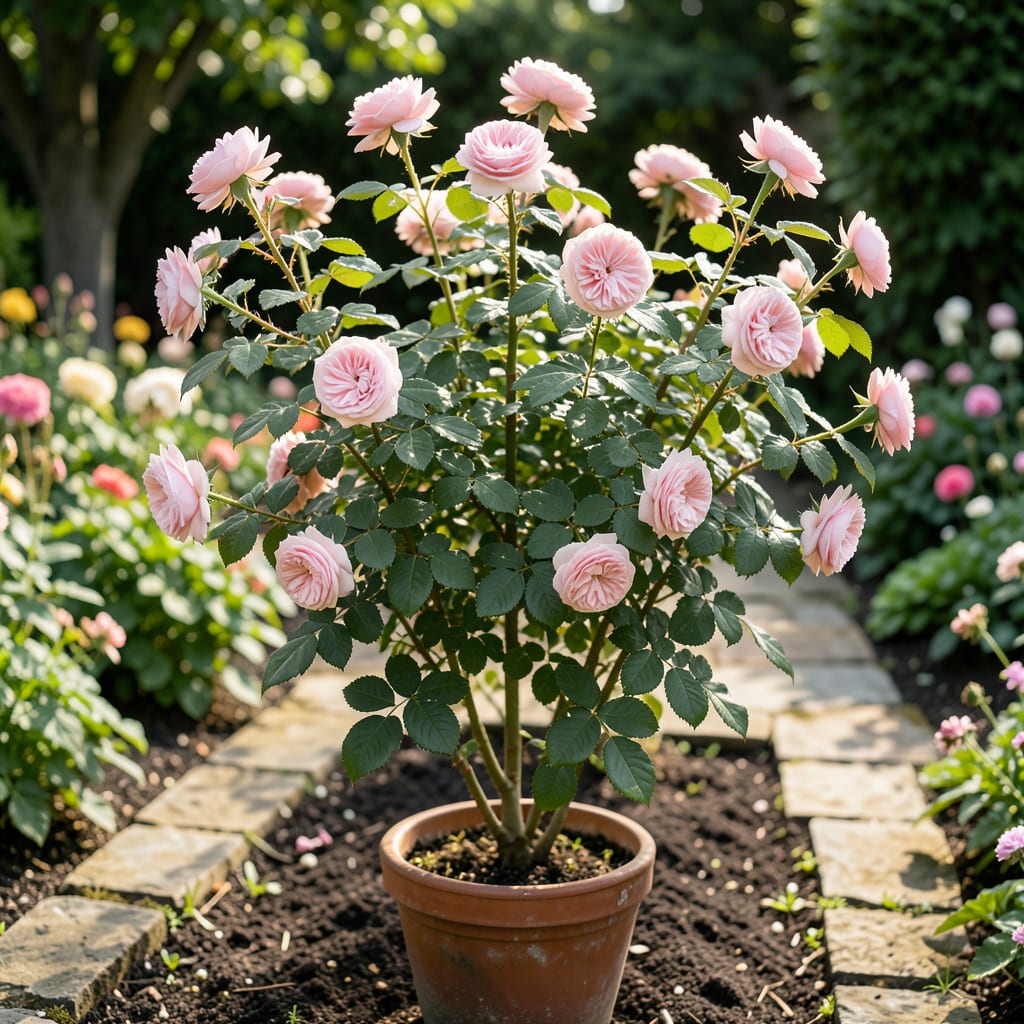
Roses 🌹 are a gardener’s delight, but their blooming period can be disappointingly short. If you’re wondering how to keep them flowering longer, you’re not alone – many gardeners in USDA Zone 6 face this challenge.
Understanding the factors that affect rose bloom duration is key to enjoying these beautiful flowers for longer. Let’s explore the secrets to making your roses bloom for weeks longer than you thought possible.
The duration of rose blooms is influenced by several key factors that every gardener should understand to maximize their flowering period. Climate plays a crucial role in determining how long roses stay in bloom, with temperature and sunlight being particularly important. 🌞
Rose variety is another significant factor, as different types of roses have varying blooming periods. Some repeat-blooming varieties can flower multiple times throughout the growing season, while others may bloom only once. Understanding the specific needs and characteristics of your rose variety is essential for optimizing their bloom duration.
Soil quality is another critical element that affects rose bloom duration. Roses thrive in well-draining soil that is rich in organic matter and essential nutrients. Maintaining optimal soil conditions through regular fertilization and mulching can significantly extend the blooming period. 💪
Maintenance practices such as pruning techniques, watering schedules, and fertilization routines also play a vital role in determining how long roses stay in bloom. Proper care can encourage more frequent and longer-lasting blooms, while neglecting these practices can shorten the flowering period.
By understanding and addressing these factors, gardeners can create optimal conditions for their roses to bloom for as long as possible. The right combination of climate, variety, soil quality, and maintenance practices can make a significant difference in the duration of rose blooms.
Climate conditions such as extreme temperatures, drought, or excessive rainfall can impact rose bloom duration. Gardeners should be aware of their local climate conditions and adjust their care routines accordingly to protect their roses and extend their blooming period.
The specific characteristics of different rose varieties, such as their blooming habits and growth patterns, should be considered when selecting roses for your garden. Some varieties are bred specifically for their long blooming periods or repeat-flowering abilities.
Regular soil testing and amendments can help maintain optimal soil quality, supporting healthy rose growth and longer blooming periods. Gardeners should also be mindful of pest management and disease prevention to protect their roses from damage.
In conclusion, the duration of rose blooms is influenced by a combination of factors including climate, rose variety, soil quality, and maintenance practices. By understanding and optimizing these elements, gardeners can enjoy their roses for a longer period.
To maximize your rose blooming period, I recommend implementing specific gardening practices that have been proven to extend flowering duration. Proper care techniques can significantly impact how long your roses stay in bloom 🌹.
First, let’s examine the most effective methods for prolonging rose blooms. The following strategies have been shown to make a substantial difference in flowering duration.
Prune roses in early spring, removing dead and damaged wood. Cut back canes by one-third to one-half to encourage new growth and more blooms.
Feed your roses with a balanced fertilizer every 4-6 weeks during the growing season. This promotes healthy growth and encourages more frequent blooming.
Water your roses deeply and regularly, especially during dry spells. Aim for about 1-2 inches of water per week, either from rainfall or irrigation.
These expert tips can help you extend the blooming period of your roses. By optimizing pruning techniques, implementing regular fertilization, and maintaining consistent watering, you can enjoy your roses for a longer period 🌼.
Additionally, consider the following general tips to further enhance your rose blooming experience. These include monitoring your local climate conditions and adjusting your care routines accordingly.
By combining these strategies, you can create an optimal environment for your roses to thrive and bloom for as long as possible.
For optimal results, it’s essential to understand how these tips work together to create a comprehensive care plan for your roses.
By following these expert recommendations, you can significantly extend the blooming period of your roses and enjoy their beauty for weeks longer.
Gardeners often make critical errors that can significantly shorten their rose blooming periods. Understanding these common mistakes is crucial for maximizing the flowering duration of your roses 🌹.
Common errors like improper deadheading, inadequate sunlight, and poor soil drainage can all negatively impact rose bloom duration.
Improper deadheading is one of the most common mistakes gardeners make. Failing to remove spent blooms can divert the plant’s energy into seed production rather than encouraging new flowers. Regular deadheading is essential for promoting continuous blooming.
Insufficient sunlight is another critical error. Roses require at least 6 hours of direct sunlight per day to bloom optimally. Shading can significantly reduce flowering duration and intensity.
Poor soil conditions, including inadequate drainage and nutrient deficiencies, can also shorten bloom periods. Ensuring your soil is well-draining and rich in organic matter is vital for healthy rose growth.
Other common mistakes include overwatering, which can lead to root rot, and under-fertilizing, which can result in nutrient deficiencies. Finding the right balance is key to maintaining healthy, blooming roses.
By avoiding these common mistakes and implementing proper care techniques, you can significantly extend the blooming period of your roses and enjoy their beauty for longer 🌼.
Regular monitoring of your rose plants and adjusting your care routines as needed can help prevent these issues and promote a longer flowering season.
Rose blooming periods vary by type. Hybrid tea and grandiflora roses typically bloom for 4-6 weeks, while floribunda and shrub roses can bloom continuously throughout the growing season. Climber roses often have two main blooming periods.
Yes, you can extend rose blooming periods through proper care. Regular deadheading, fertilization every 4-6 weeks, and consistent watering can encourage more blooms. Proper pruning techniques also play a crucial role.
Several factors influence rose bloom duration, including climate, rose variety, soil quality, and maintenance practices. Roses in warmer climates with full sun tend to have longer blooming periods when properly cared for.
Fertilize your roses every 4-6 weeks during the growing season with a balanced fertilizer. This promotes healthy growth and encourages more frequent blooming. Adjust based on soil quality and rose variety.
