
Beautiful Plants For Your Interior
Beautiful Plants For Your Interior
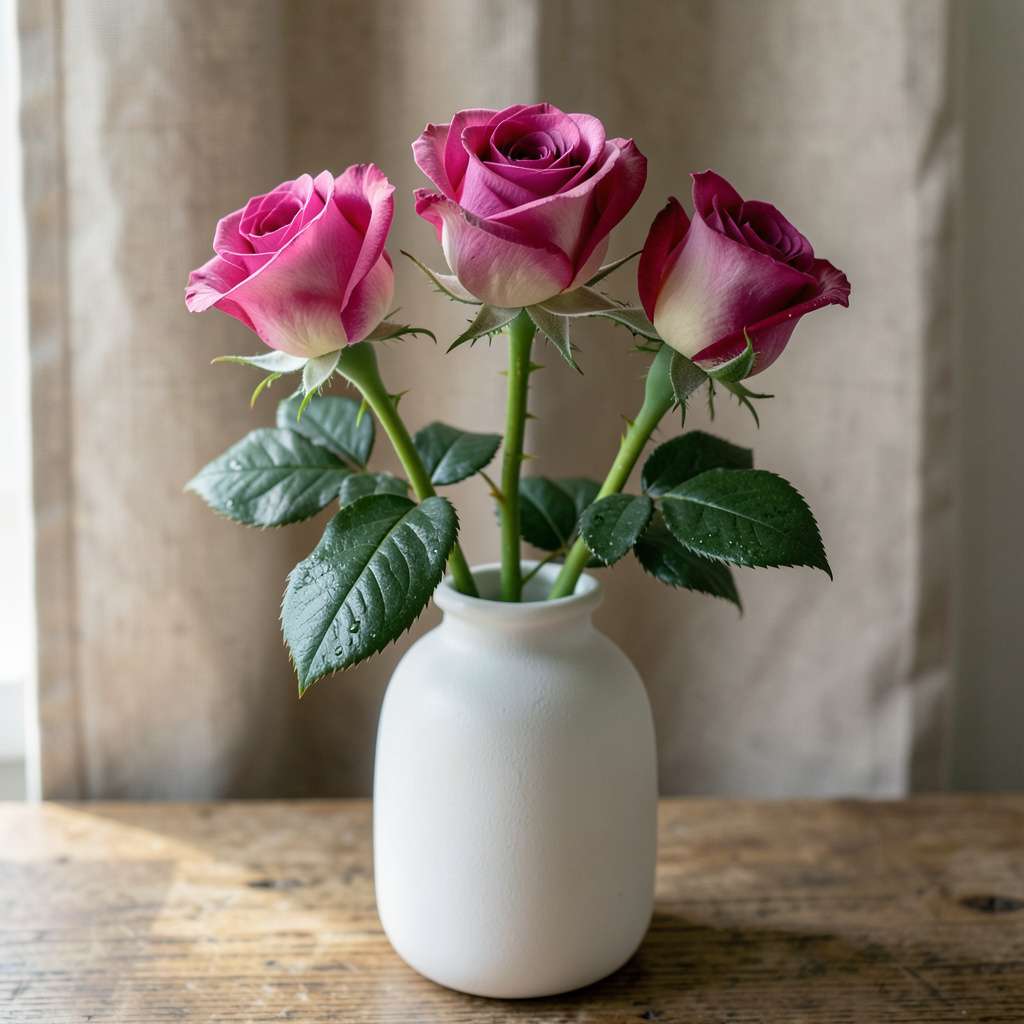
Cut roses stored properly in the fridge can last 5-7 days, sometimes up to 10 days if kept at 34-36°F with stems submerged in water and protected from ethylene exposure.
I’ve found that refrigeration works wonders for roses because it dramatically slows their metabolic processes. 🌹 The cold environment reduces water loss through transpiration and inhibits bacterial growth in the stems, which are the two main culprits behind premature wilting. What many people don’t realize is that ethylene gas—released by fruits and vegetables—can accelerate flower aging, so keeping roses away from produce in your fridge makes a noticeable difference in their longevity.
From my experience working with cut flowers, the temperature sweet spot between 34-36°F is crucial. Any warmer and the roses continue aging too quickly; any colder and you risk damaging the delicate petals. The water temperature matters too—lukewarm water absorbs better than cold when you first trim the stems before refrigeration.
💡 In This Article
When roses are cut, they continue living through a process called respiration—essentially breathing through their stems. The refrigerator’s cool environment dramatically slows this metabolic activity by about 60-70% compared to room temperature.
At 34-36°F, the enzymes responsible for breaking down cell walls become less active, preserving the flower’s structure and color for days longer than at room temperature. 🌹
The cold also reduces transpiration—the process where water evaporates from petals and leaves. Roses lose about 80% of their water through this process at room temperature, but refrigeration cuts that loss by half. This is why you’ll notice refrigerated roses maintain their turgor pressure (that crisp, firm feel) much longer.
The ideal humidity level in your fridge should be around 90-95% to prevent dehydration while avoiding condensation that could promote mold.
What most people overlook is the bacterial factor. Cut stems exposed to water create the perfect breeding ground for microbes that clog the rose’s vascular system. Cold temperatures inhibit bacterial growth by about 90%, keeping those water-conducting vessels clear.
I’ve seen roses last twice as long when stored properly in the fridge compared to those left on a counter—even with identical initial freshness.
The secret weapon against premature wilting is controlling ethylene exposure. This naturally occurring gas accelerates aging in flowers, and your fridge is full of ethylene producers like apples, bananas, and tomatoes. A single apple can release enough ethylene to reduce your roses’ vase life by 30-40%. The solution?
Store your roses in a separate produce drawer or in a sealed container with a damp paper towel to absorb excess ethylene.
Temperature consistency matters more than you might think. Every time you open the fridge door, the temperature can spike by 10-15°F. This fluctuation causes condensation on petals, which can lead to botrytis (a gray mold that spreads rapidly).
That’s why commercial florists use dedicated flower coolers—they maintain perfect conditions without the temperature swings of a household refrigerator. ✨
Here’s a fascinating comparison: Roses stored at room temperature (68°F) typically last 3-4 days before showing significant wilting. The same roses in a properly maintained fridge can last 7-10 days with minimal deterioration.
The difference comes down to how cold storage preserves the flower’s natural defenses and structural integrity while minimizing stress factors that accelerate aging.
The perfect range is 34-36°F—this is cold enough to slow respiration but not so cold it damages delicate petals. Most household fridges are set around 38°F, so you may need to adjust yours slightly cooler for optimal rose storage.
Never store them together! Fruits like apples and bananas release ethylene gas that ages flowers 30-40% faster. Keep roses in a separate produce drawer or sealed container with a damp paper towel to absorb ethylene. Even a single apple can cut your roses’ lifespan by days.
Replace the water completely every 2-3 days and recut the stems each time. Cloudy water means bacterial growth is clogging the stems—this is the #1 reason refrigerated roses wilt prematurely. A quick stem rinse under cool water between changes helps too.
This usually happens from either low humidity or temperature fluctuations. Wrap roses loosely in plastic to maintain 90-95% humidity, and avoid placing them near fridge vents where cold air blows directly. The back of the bottom shelf is the most stable spot.
Submerge the entire stem (up to the flower head) in warm water (100°F) for 30 minutes. This rehydrates the bloom and often restores turgor. For severely wilted roses, add a drop of vinegar to the water to help break down air bubbles in the stems.
