
Beautiful Plants For Your Interior
Beautiful Plants For Your Interior
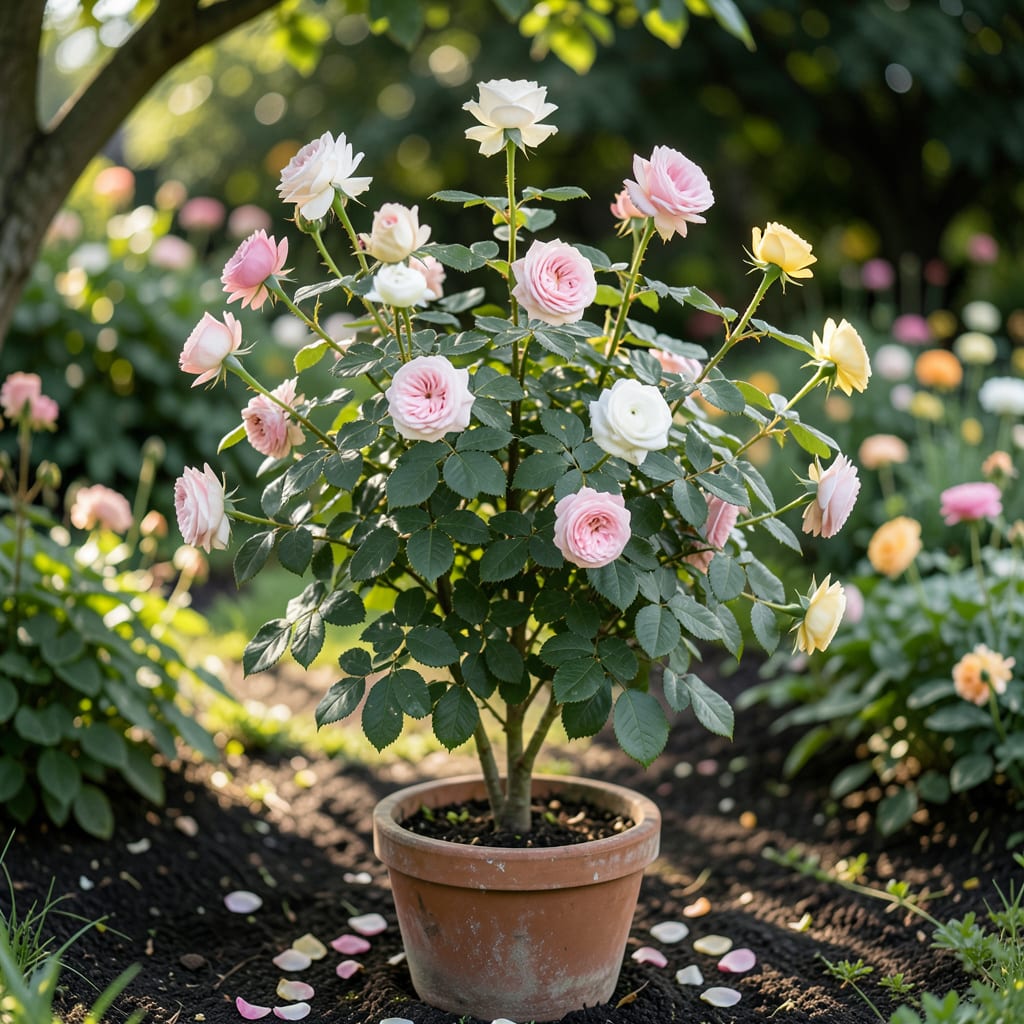
As a rose enthusiast, I’ve always wondered: how long can I enjoy my 🌹 roses? The blooming period varies significantly depending on factors like climate and care practices.
In USDA Zone 6, where I garden, roses typically bloom from May to October. With proper care, some varieties can bloom for months longer. Let’s explore the secrets to extending your rose blooming season.
The blooming period of roses is influenced by several key factors. Understanding these can help you maximize your rose blooming season. Climate plays a crucial role, with temperature and sunlight exposure being particularly important 🌞.
Rose variety is another significant factor, as different types have varying blooming periods. Care practices such as watering, fertilizing, and pruning also impact how long your roses bloom. Let’s explore these factors in more detail.
Climate affects rose blooming significantly. Roses generally thrive in temperatures between 65°F and 85°F (18°C to 30°C). Extreme heat or cold can shorten the blooming period. In regions with mild winters, roses may bloom year-round 🌟.
The type of rose also determines its blooming duration. Some rose varieties, like hybrid teas and floribundas, are known for their repeated blooming throughout the growing season. Others, like many climbing roses, may have a more limited blooming period.
Care practices are crucial for maximizing bloom duration. Regular deadheading – removing spent blooms – encourages many rose varieties to produce more flowers. Proper fertilization provides necessary nutrients for continuous blooming. Pruning techniques can also influence the length of the blooming season.
Understanding these factors helps you create optimal conditions for your roses. By managing climate, variety, and care practices, you can enjoy a longer and more vibrant rose blooming season 🌹.
For example, in USDA Zone 6, roses typically bloom from May to October. With proper care, some varieties can extend their blooming period by several weeks or even months.
Let’s summarize the key factors affecting rose bloom duration in a quick reference table.
The table highlights how different factors influence the blooming period of roses. By understanding these elements, you can better manage your rose garden to maximize blooming duration.
Now that we’ve covered the factors affecting rose bloom duration, let’s explore some practical tips for extending your rose blooming season.
To maximize your rose blooming season, I’ve found that proper care techniques make all the difference 🌹. Regular maintenance can significantly extend the blooming period of your roses.
Let’s explore some practical tips that can help you enjoy your roses for a longer period. These methods focus on encouraging continuous blooming and maintaining plant health.
Remove spent blooms regularly to encourage new flowers. This technique works particularly well for repeated blooming varieties like hybrid teas and floribundas.
Use a balanced fertilizer (10-10-10 NPK) every 4-6 weeks during the growing season. This provides essential nutrients for continuous blooming.
Prune your roses in early spring to promote healthy growth and encourage blooming throughout the season.
These tips can help you enjoy a longer and more vibrant rose blooming season. By implementing these care practices, you can maximize the blooming duration of your roses 🌟.
For example, regular deadheading can encourage some rose varieties to produce flowers continuously throughout the growing season. Proper fertilization provides necessary nutrients for healthy growth and blooming.
By combining these techniques, you can create optimal conditions for your roses to thrive. This will result in a more extended and vibrant blooming period.
Let’s summarize the key tips for extending your rose blooming season. These practical gardening tips can help you make the most of your rose garden 🌹.
Different rose varieties have distinct blooming periods, ranging from a few weeks to several months. Understanding these differences helps you choose the right roses for your garden 🌹.
Let’s compare the bloom durations of various popular rose types to help you make informed decisions for your garden.
The table highlights the varying bloom durations and characteristics of different rose varieties. By understanding these differences, you can select roses that best suit your gardening goals and preferences 🌟.
Hybrid teas and floribundas are known for their repeated blooming throughout the growing season, providing a longer overall blooming period. In contrast, many climbing roses have a more concentrated blooming period, often with one major flush of flowers.
Shrub roses typically offer a long blooming season with continuous flowering, making them an excellent choice for gardeners seeking prolonged color in their landscapes 🌹.
By choosing the right rose variety for your garden, you can enjoy a blooming season that suits your preferences, whether you prefer a single spectacular bloom or continuous flowering throughout the growing season 🌼.
Understanding the bloom durations of different rose varieties helps you plan your garden more effectively. You can combine various types to achieve a prolonged and diverse blooming season 🌺.
Rose blooming periods vary by type. Hybrid teas and floribundas typically bloom for 4-8 weeks, while shrub roses can bloom for 8-12 weeks. Climbing roses usually have a shorter bloom period of 2-4 weeks.
Yes, you can extend the blooming season by practicing regular deadheading, using balanced fertilization, and proper pruning techniques. These methods encourage continuous blooming and maintain plant health.
The blooming duration of roses is influenced by climate, rose variety, and care practices. Warmer climates tend to have longer blooming seasons, and some rose varieties are bred for continuous blooming. Proper care can also extend the blooming period.
No, different rose varieties have different blooming periods. Some, like hybrid teas and floribundas, bloom repeatedly throughout the season, while others, like many climbing roses, have a single major flush of blooms.
