
Beautiful Plants For Your Interior
Beautiful Plants For Your Interior
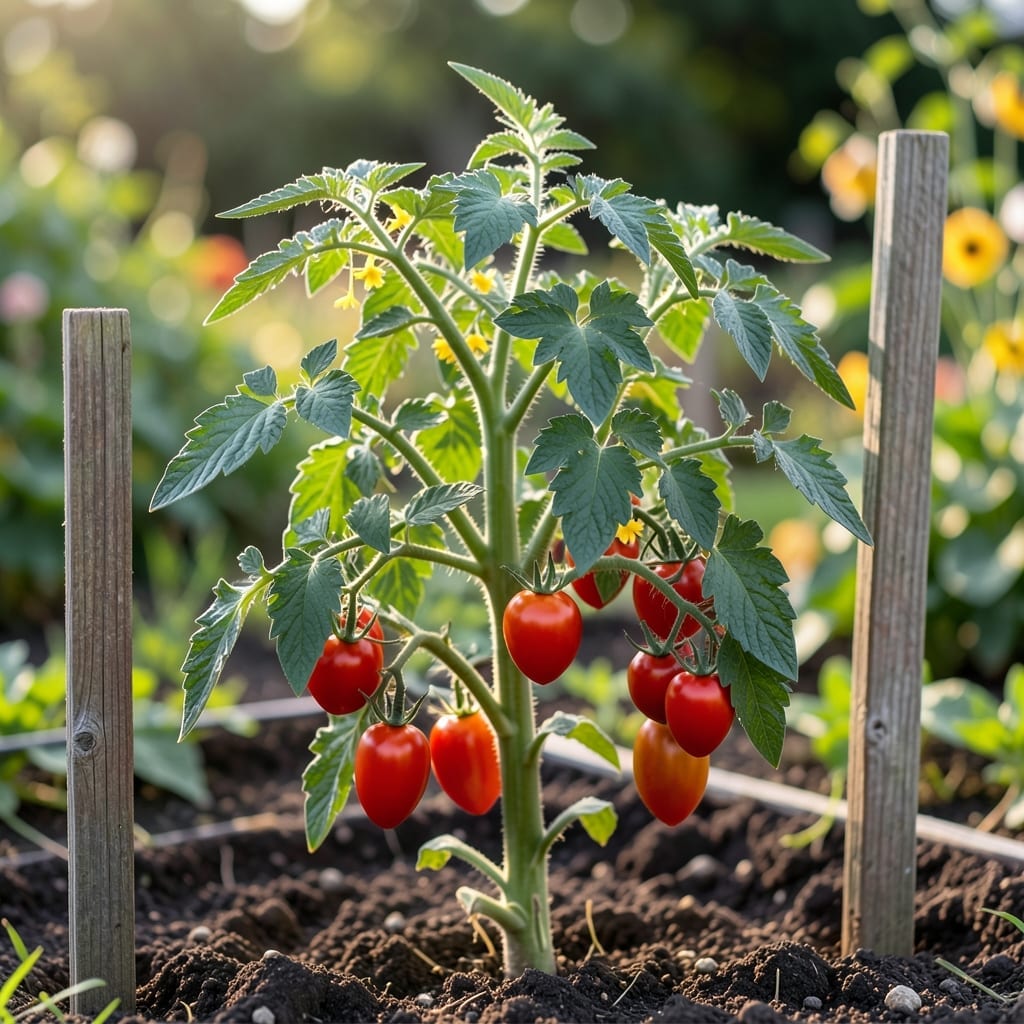
I remember the first time I planted Roma tomatoes, wondering when I’d see those first red fruits appear. The wait can feel endless, but knowing the timeline makes it far less stressful.
From seed to harvest, the 🍅 Roma Tomato journey is fascinating. Each stage brings its own magic, and understanding the process helps you nurture your plants effectively.
Discover what to expect at every phase, so you can plan your garden with confidence and enjoy that satisfying harvest moment.


I’ve found that Roma tomatoes follow a predictable growth pattern when given the right conditions. From the moment you plant those tiny seeds, you’re looking at a journey of about 70 to 90 days until harvest.
This timeline can vary slightly depending on your climate and care, but most gardeners see the first ripe fruits around the 80-day mark. Let’s break it down stage by stage so you know exactly what to expect. 🌱
| Growth Stage | Timeframe | Key Developments |
|---|---|---|
| Germination | 5-10 days | Seeds sprout in warm soil |
| Seedling | 2-3 weeks | First true leaves appear |
| Transplant | 4-6 weeks | Ready for outdoor garden |
| Flowering | 6-8 weeks | Yellow flowers form |
| Fruiting | 8-10 weeks | Green tomatoes appear |
| Harvest | 70-90 days | Fully red and firm |
The germination stage is where it all begins. With consistent moisture and warm soil (around 70°F), your seeds should sprout within 5 to 10 days. I always use a seed-starting mix for best results.
Once those first true leaves emerge, your seedlings are ready to grow stronger. This usually happens 2 to 3 weeks after germination. Keep them under grow lights or in a sunny window for robust development.
At 4 to 6 weeks, your Roma tomato plants are ready to move outdoors. I recommend hardening them off first by gradually exposing them to outdoor conditions over a week. This prevents shock and ensures a smooth transition.
You’ll start seeing yellow flowers around the 6 to 8-week mark. These flowers are the precursors to your tomatoes, so it’s an exciting milestone. Be sure to water consistently to support fruit development.
By 8 to 10 weeks, small green tomatoes will appear. They’ll grow quickly, turning red as they ripen. This is when I get most excited—harvest time is just around the corner! 🌿
Finally, at 70 to 90 days from planting, your Roma tomatoes should be ready to pick. Look for a deep red color and a slight give when gently pressed. They should also come off the vine with a gentle twist.
Remember, these timeframes can shift based on your specific growing conditions. If you’re in a cooler climate, consider starting seeds indoors 6 to 8 weeks before the last frost date to give them a head start. ☀️
I’ve learned that several key factors influence how quickly Roma tomatoes grow. While the average is 70 to 90 days, your local climate plays a huge role in this timeline. Warmer regions often see faster growth. ☀️
Soil quality is another critical element. Roma tomatoes thrive in well-draining, nutrient-rich soil with a pH between 6.0 and 6.8. I always mix in compost for an extra boost.
Climate Impact: Warmer temps speed up growth, while cooler climates may extend the timeline.
Watering Consistency: Keep soil moist but not soggy. 1-2 inches of water weekly is ideal.
Sunlight Exposure: Roma tomatoes need 6-8 hours of direct sun daily for optimal growth.
Variety Differences: Some Roma hybrids mature 5-10 days faster than heirloom types.
Fertilizer Use: Balanced 10-10-10 fertilizer every 4-6 weeks supports steady growth.
Watering practices can make or break your harvest timeline. Roma tomatoes need consistent moisture, especially during the flowering and fruiting stages. I water mine deeply once a week, adjusting for rain.
Sunlight exposure is non-negotiable for these sun-loving plants. They require full sun to produce the best yield. If your garden lacks sunlight, consider using reflective mulches to maximize what they do get.
The specific Roma tomato variety you choose also affects maturity time. Some newer hybrids are bred for faster growth, while traditional heirlooms may take the full 90 days. Check your seed packet for exact estimates.
Finally, don’t underestimate the power of proper fertilization. A balanced, slow-release fertilizer applied at planting and again mid-season can shave days off your harvest timeline. I prefer organic options for my garden. 🌱