
Beautiful Plants For Your Interior
Beautiful Plants For Your Interior
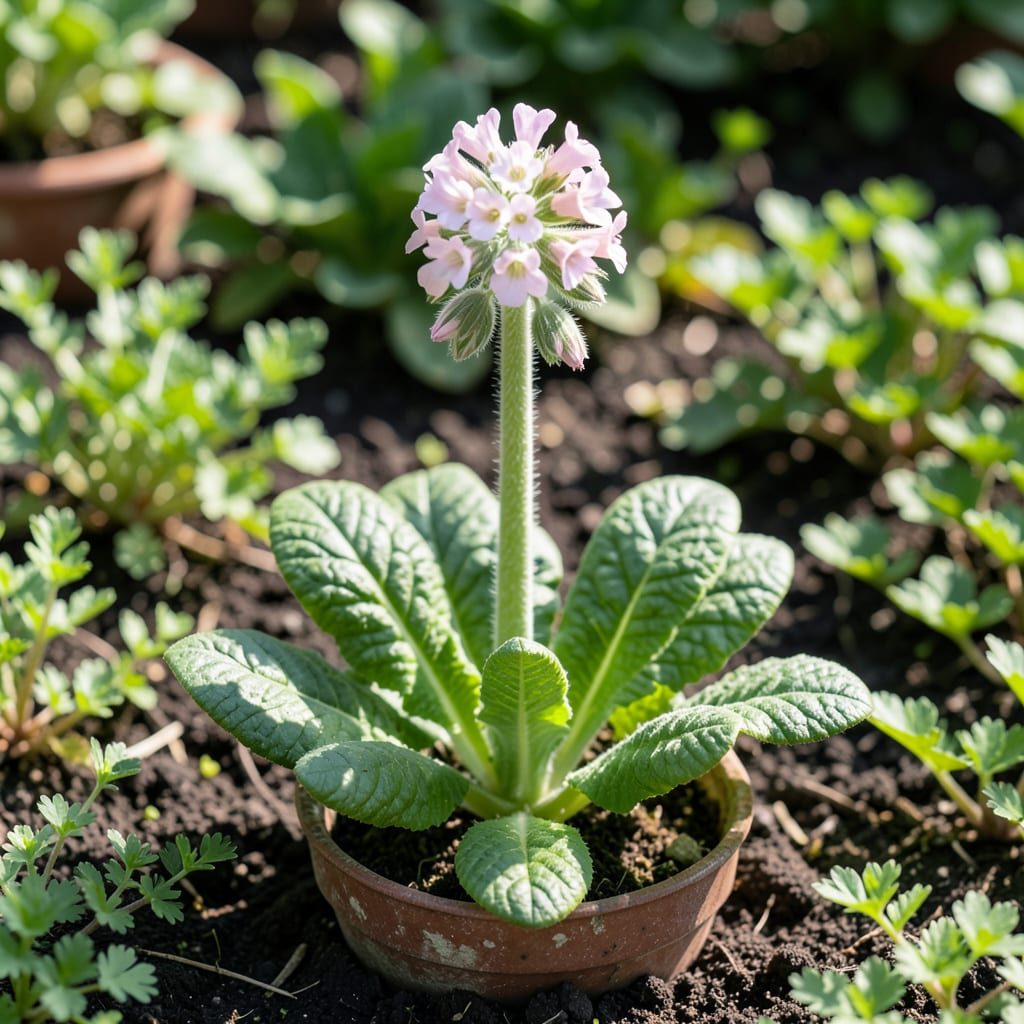
As spring arrives, 🌼 Primroses burst into bloom, bringing vibrant colors to gardens in USDA Zone 6. Their delicate flowers are a welcome sight after winter, but how long can you expect them to bloom?
Understanding the blooming cycle of Primroses is key to enjoying their beauty throughout the season. Let’s explore what affects their flowering duration and how to make the most of their colorful display.
Primroses are among the first signs of spring, bringing vibrant colors to gardens when they’re needed most 🌼. Their blooming period is a critical aspect of their appeal, and understanding what to expect can help gardeners make the most of these beautiful flowers.
The typical blooming duration of Primroses varies depending on several factors, including the specific variety, growing conditions, and care. Generally, Primroses bloom for 3 to 6 weeks in early spring, although some varieties may bloom for longer or shorter periods.
The blooming period of Primroses can be influenced by various factors, including temperature, sunlight, watering, and fertilization. For example, Primroses grown in cooler temperatures and partial shade tend to bloom longer than those exposed to warmer temperatures and full sun.
Different Primrose varieties also have different blooming periods. Some varieties, such as the Polyanthus Primrose, are known for their longer blooming period, while others may bloom for a shorter time. Understanding the specific needs and characteristics of your Primroses can help you extend their blooming season and enjoy their beauty for longer.
To make the most of your Primroses, it’s essential to understand the factors that affect their blooming period and take steps to optimize their growing conditions. By providing the right care and attention, you can enjoy a longer and more vibrant blooming season 🌼.
In addition to their beauty, Primroses are also relatively low-maintenance plants, making them a great choice for gardeners of all skill levels. With proper care, Primroses can thrive and provide a stunning display of color in early spring.
By understanding the typical blooming period of Primroses and the factors that affect it, you can better plan your garden and make the most of these beautiful flowers. Whether you’re a seasoned gardener or just starting out, Primroses are a great addition to any garden.
Overall, Primroses are a delightful and rewarding flower to grow, and with the right care, they can provide a beautiful and vibrant display in your garden. By following the tips and guidelines outlined in this article, you can enjoy a longer and more successful blooming season.
With their delicate beauty and relatively low-maintenance requirements, it’s no wonder that Primroses are a popular choice among gardeners. By understanding their blooming cycle and providing the right care, you can enjoy these lovely flowers for weeks to come 🌼.
To enjoy Primroses for a longer period, it’s essential to provide them with the right conditions and care. Proper maintenance can significantly extend their blooming season and keep your garden vibrant 🌼.
Remove spent flowers to encourage more blooms and prevent the plant from putting energy into seed production.
Keep the soil consistently moist but not waterlogged. Primroses prefer medium watering and can be sensitive to overwatering.
Feed your Primroses with a balanced fertilizer every 4-6 weeks during the growing season to promote healthy growth and blooming.
By implementing these tips, you can significantly extend the blooming period of your Primroses. Remember, the key is to provide consistent care and maintain optimal growing conditions 🌼.
In addition to deadheading and proper watering, ensuring your Primroses receive the right amount of sunlight is crucial. Most varieties thrive in partial shade, so consider relocating them if necessary.
Primroses also benefit from being divided and replanted every few years. This not only helps to maintain their health but can also encourage more vigorous blooming.
By following these guidelines and providing your Primroses with the care they need, you can enjoy their beautiful blooms for a longer period and keep your garden looking its best.
With the right care and attention, Primroses can be a stunning addition to your garden, providing vibrant colors and beauty throughout the spring season 🌼.
When growing Primroses, it’s essential to avoid common mistakes that can shorten their blooming period. By understanding these potential pitfalls, you can take steps to ensure your Primroses bloom for as long as possible 🌼.
Overwatering, poor drainage, and lack of maintenance can all negatively impact Primrose blooming periods.
Overwatering is a common mistake that can lead to root rot and reduce the blooming period of Primroses. To avoid this, ensure the soil drains well and avoid watering too frequently.
Poor drainage can also cause problems for Primroses. If the soil is too wet, the roots can rot, reducing the plant’s ability to bloom. Adding organic matter like compost can help improve drainage 🌿.
Lack of maintenance, such as failing to deadhead spent flowers, can also shorten the blooming period. Regular maintenance, including deadheading and dividing plants every few years, can help keep Primroses healthy and promote longer blooming.
By avoiding these common mistakes and providing your Primroses with the right care, you can enjoy a longer and more vibrant blooming season.
In addition to avoiding common mistakes, ensuring your Primroses receive the right amount of sunlight and fertilization can also help promote healthy blooming. Most varieties thrive in partial shade and benefit from balanced fertilization during the growing season.
By following these guidelines and providing your Primroses with the care they need, you can enjoy their beautiful blooms for a longer period and keep your garden looking its best.
Primroses usually bloom for 3 to 6 weeks in early spring, although some varieties may have longer or shorter blooming periods. The exact duration depends on factors like temperature, sunlight, and care. Proper maintenance can help extend their blooming season .
Several factors influence Primrose blooming, including temperature, sunlight, watering, and fertilization. Cooler temperatures and partial shade tend to prolong blooming, while warmer temperatures and full sun can shorten it. Different varieties also have varying blooming periods .
Yes, you can extend the blooming season by providing proper care. Techniques like deadheading, proper watering, and balanced fertilization every 4-6 weeks during the growing season can help. Most Primrose varieties thrive in partial shade, so adjusting their sunlight exposure can also be beneficial .
Common mistakes to avoid include overwatering, poor drainage, and lack of maintenance. Ensure the soil drains well and avoid watering too frequently. Regular maintenance like deadheading and dividing plants every few years can help keep Primroses healthy and promote longer blooming .
