
Beautiful Plants For Your Interior
Beautiful Plants For Your Interior
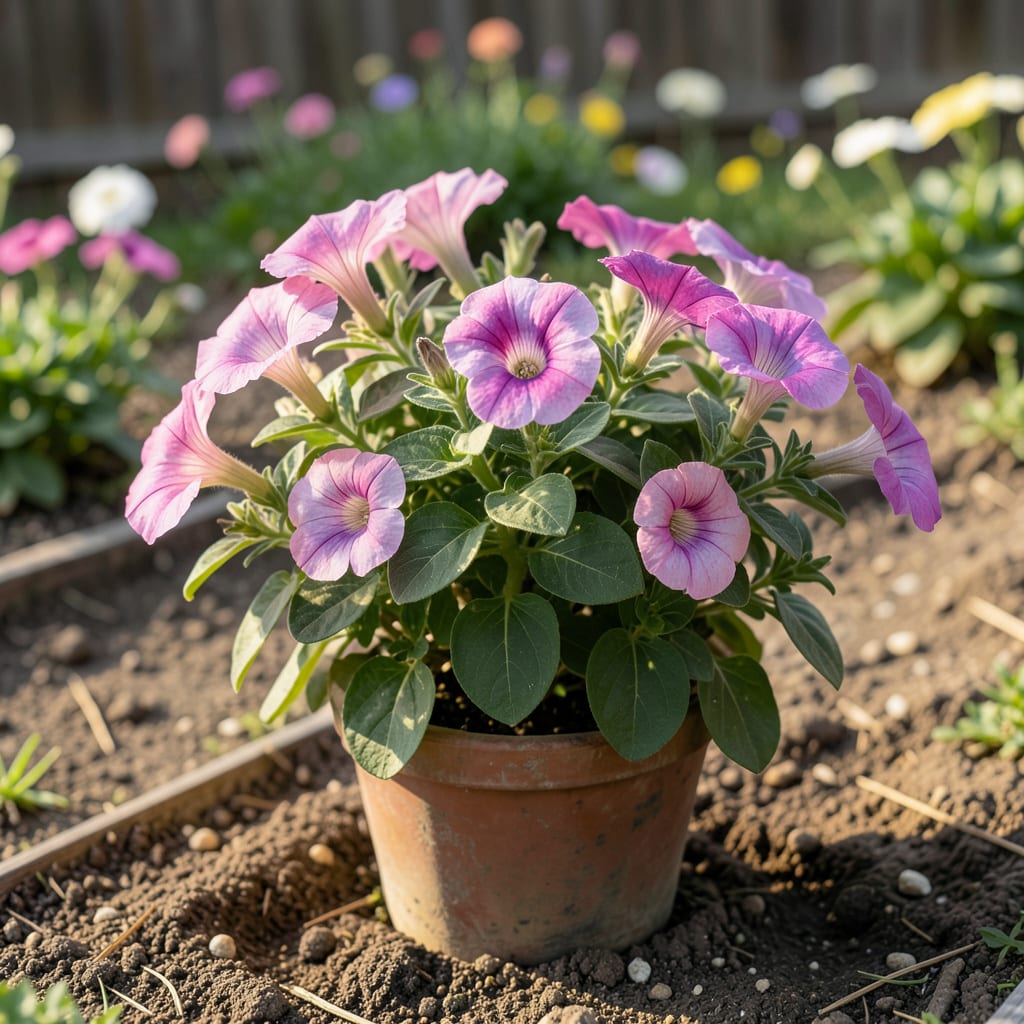
As spring arrives, Petunias 💐 become a garden favorite, bursting with vibrant colors throughout the summer. But how long can you expect these beautiful flowers to bloom in USDA Zone 6?
Understanding the factors that influence Petunia blooming duration is key to maximizing their flowering season. Let’s explore what affects their bloom time and how to keep them thriving all season long.
Petunias are known for their vibrant colors and long-lasting blooms, but their flowering duration can vary significantly based on several factors. Understanding these factors is crucial for maximizing their blooming season and keeping your garden colorful throughout the growing months 🌼.
The climate, soil quality, and care practices you implement play a significant role in determining how long petunias will bloom. Let’s explore these factors in more detail to help you get the most out of your petunias.
By understanding and managing these factors, you can create an optimal environment for your petunias to flourish and extend their blooming season 🌻.
The climate in your area is one of the most significant factors affecting petunia bloom duration. Petunias are warm-season annuals that thrive in temperatures between 65°F to 75°F (18°C to 24°C).
Soil quality is another critical factor. Petunias prefer well-draining soil with a balanced pH between 6.0 and 7.0. Soil that is too dense or lacks proper drainage can lead to root rot and reduced blooming.
Watering practices also play a crucial role. Petunias need consistent moisture, especially during hot weather. However, they are susceptible to root rot if the soil is too wet, so it’s essential to strike a balance.
Fertilization is vital for promoting continuous blooming. Using a balanced fertilizer every 2-3 weeks during the growing season can help maintain the nutrient levels in the soil, encouraging more blooms.
Sunlight is another essential factor. Petunias require full sun to bloom profusely. Planting them in a location that receives at least 6 hours of direct sunlight daily will help maximize their flowering potential.
By focusing on these key factors, you can create an environment that supports extended blooming and enjoy a vibrant display of petunias throughout the growing season 🌼.
In summary, managing the climate, soil quality, watering practices, fertilization, and sunlight exposure are all crucial for maximizing the bloom duration of petunias.
By implementing these strategies, you can enjoy a longer and more vibrant blooming season for your petunias, enhancing the beauty of your garden 🌻.
To maximize the blooming season of petunias, it’s essential to implement proper care practices that encourage continuous flowering. By following these practical gardening tips, you can enjoy a vibrant display of petunias throughout the growing months 🌼.
One of the most effective ways to extend the blooming season is through regular deadheading. Removing spent flowers encourages the plant to produce new blooms, as it directs energy towards flower production rather than seed development 🌺.
Regularly remove spent flowers to encourage new blooms and maintain plant appearance.
Use a balanced fertilizer every 2-3 weeks to promote healthy growth and continuous blooming.
Maintain consistent moisture by watering regularly, but avoid overwatering to prevent root rot.
Ensure petunias receive full sun for at least 6 hours a day to promote profuse blooming.
By incorporating these tips into your gardening routine, you can significantly extend the blooming season of your petunias and enjoy their vibrant colors for a longer period 🌻.
Deadheading is a simple yet effective technique that encourages petunias to produce more flowers. By removing spent blooms, you redirect the plant’s energy towards producing new flowers rather than seeds.
Fertilization plays a crucial role in promoting healthy growth and continuous blooming. Using a balanced fertilizer every 2-3 weeks during the growing season helps maintain the necessary nutrient levels in the soil.
Proper watering practices are also vital. Petunias need consistent moisture, especially during hot weather. However, it’s essential to avoid overwatering, as this can lead to root rot and reduced blooming.
Finally, ensuring that your petunias receive full sun is critical for maximizing their blooming potential. Planting them in a location that receives at least 6 hours of direct sunlight daily will help promote profuse blooming 🌞.
By following these tips, you can create an optimal environment for your petunias to thrive and enjoy a longer and more vibrant blooming season 🌼.
When growing petunias, it’s essential to avoid common gardening mistakes that can significantly shorten their blooming period. By understanding these pitfalls, you can take proactive steps to ensure your petunias continue to thrive and bloom vibrantly throughout the growing season 🌼.
One of the most common mistakes gardeners make is improper pruning. Petunias require regular maintenance to promote healthy growth and continuous blooming. However, pruning them incorrectly can stress the plants and reduce their flowering potential.
Avoid common gardening errors like overwatering, neglecting fertilization, and insufficient sunlight to keep your petunias blooming their best 🌻.
Overwatering is another critical mistake that can harm petunias. While they need consistent moisture, too much water can lead to root rot and other issues that reduce blooming. Ensuring proper drainage and allowing the soil to dry slightly between waterings can help prevent these problems 💧.
Nutrient deficiencies can also impact petunia blooming. Failing to fertilize regularly can result in nutrient-depleted soil, leading to fewer flowers. Using a balanced fertilizer every 2-3 weeks during the growing season can help maintain soil fertility and support continuous blooming 🌺.
Insufficient sunlight is another factor that can shorten the blooming period. Petunias require full sun to bloom profusely. Planting them in a location that receives at least 6 hours of direct sunlight daily is crucial for maximizing their flowering potential 🌞.
By avoiding these common mistakes and implementing proper care practices, you can enjoy a longer and more vibrant blooming season for your petunias. Regular maintenance, balanced fertilization, and optimal growing conditions are key to maximizing their flowering duration 🌼.
In summary, being mindful of improper pruning, overwatering, nutrient deficiencies, and insufficient sunlight can help you avoid common pitfalls and ensure your petunias bloom beautifully throughout the growing season.
By taking these considerations into account, you can create an optimal environment for your petunias to flourish and enjoy their vibrant blooms for an extended period 🌻.
Petunias usually bloom from spring until the first frost, which can be around 6 months in temperate climates. Their blooming period can vary depending on factors like climate, soil quality, and care practices. Proper care can help extend their blooming season .
Yes, petunias can bloom throughout the summer if they receive proper care. This includes regular deadheading, balanced fertilization, and adequate sunlight. With these practices, petunias can continue to produce flowers all summer long .
Several factors can influence how long petunias bloom, including climate, soil quality, watering practices, and fertilization. Ensuring optimal conditions for these factors can help maximize their blooming period. Petunias thrive in warm temperatures and well-draining soil with full sun .
To encourage more blooms, practice regular deadheading to remove spent flowers, use a balanced fertilizer every 2-3 weeks, and ensure your petunias receive full sun. Consistent moisture and proper care will also promote continuous blooming .
