
Beautiful Plants For Your Interior
Beautiful Plants For Your Interior
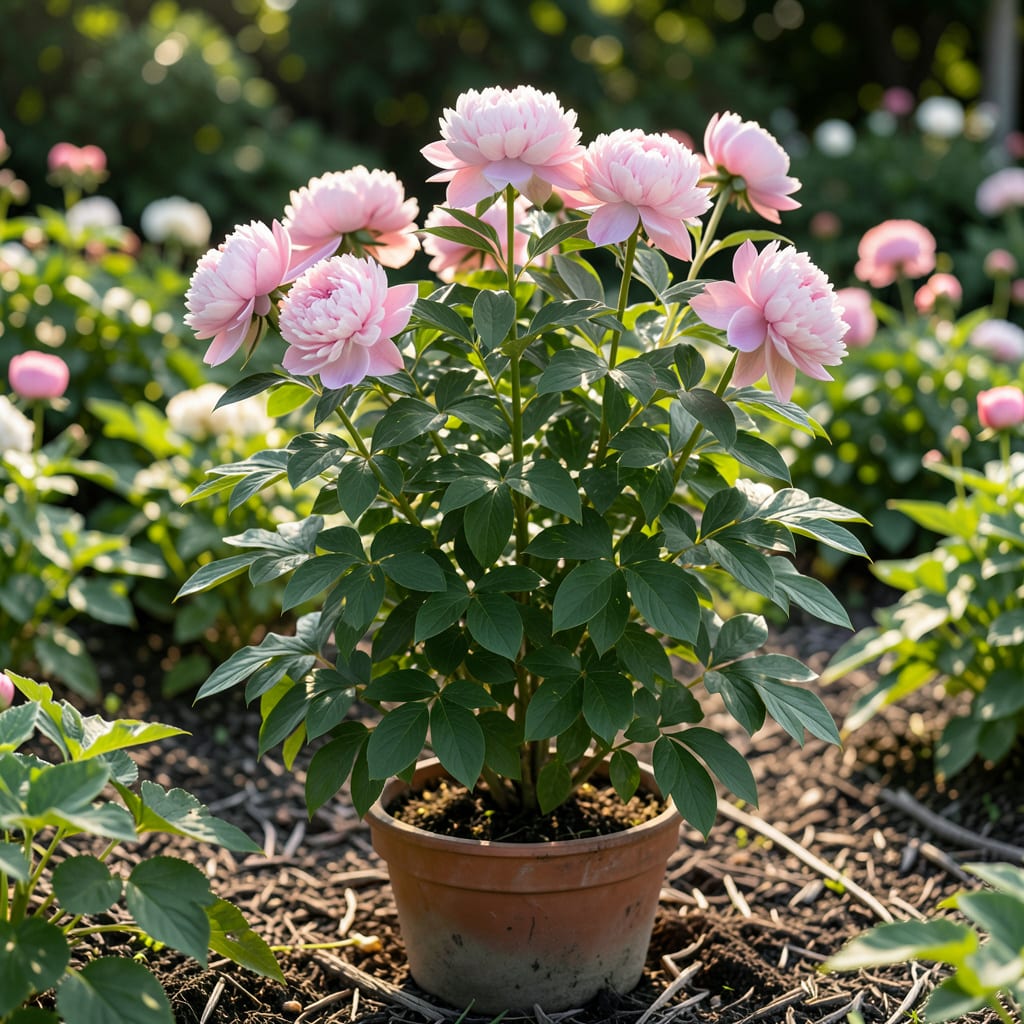
As a gardener, I’ve always been fascinated by Peony 💐 blooms. These stunning flowers bring beauty to any garden, but their flowering period is relatively short. Understanding how to maximize their bloom time can help you enjoy these gorgeous flowers for longer.
In USDA Zone 6, Peonies typically bloom in spring, around May-July. Let’s explore the factors that affect their blooming duration and discover practical tips to extend their flowering period.
Peonies are renowned for their stunning blooms, but their flowering period is relatively short. Understanding how to maximize their bloom time can help gardeners enjoy these beautiful flowers for longer 🌼.
The blooming period of Peonies typically lasts between 7 to 10 days, with some varieties blooming for up to 2 weeks. However, several factors can influence the duration of their bloom.
The climate plays a significant role in determining the bloom duration of Peonies. Cooler temperatures can prolong the bloom, while hot weather can shorten it. In USDA Zone 6, where Peonies typically bloom in spring, around and May-July, gardeners can expect a relatively short blooming season 🌺.
Soil quality is another crucial factor that affects the blooming duration of Peonies. These plants thrive in well-draining, fertile soil that is rich in organic matter. Ensuring your soil meets these conditions can help support a longer blooming period 💪.
The variety of Peony you are growing also impacts how long it stays in bloom. Some varieties are bred to have a longer flowering period than others. By selecting a mix of early, mid-season, and late-blooming varieties, you can extend the overall blooming season in your garden 📆.
In addition to these factors, proper care can also influence the blooming duration of Peonies. Practices such as deadheading (removing spent flowers) and providing adequate water and nutrients can help maximize the bloom time 🌿.
Understanding these factors and how they affect the blooming duration of Peonies is essential for any gardener looking to enjoy these beautiful flowers for as long as possible. By optimizing conditions and choosing the right varieties, you can make the most of your Peony blooms 💐.
To further explore how to extend the blooming period, let’s consider some practical tips and strategies that can help you enjoy your Peonies for longer 🔍.
By implementing these strategies, you can potentially extend the blooming period of your Peonies and enjoy their beautiful flowers for a longer time 🌸.
For gardeners in USDA Zone 6, understanding the local climate and soil conditions is crucial for optimizing Peony bloom duration. This knowledge can help you make informed decisions about planting and care 🌱.
Overall, while the blooming period of Peonies is relatively short, there are several ways to maximize their bloom time and enjoy these stunning flowers for longer 🌼.
To maximize the blooming period of your Peonies, it’s essential to understand the factors that affect their flowering duration. By implementing the right strategies, you can enjoy these beautiful flowers for longer 🌼.
One effective way to extend the blooming period is by planting multiple varieties of Peonies. By selecting a mix of early, mid-season, and late-blooming varieties, you can create a staggered blooming effect that prolongs the overall flowering season 📆.
Choose a mix of Peony varieties to create a staggered blooming effect that can extend the flowering season by several weeks.
Ensure your Peonies receive full sun and are planted in well-draining, fertile soil to support healthy growth and longer blooming.
Remove spent flowers to direct the plant’s energy towards re-growing and storing energy for the next blooming season 🌿.
In addition to planting multiple varieties and providing optimal growing conditions, proper care is crucial for extending the blooming period of Peonies. This includes practices such as deadheading, adequate watering, and fertilization 🌸.
By following these tips and strategies, you can enjoy your Peonies for a longer period and make the most of their beautiful blooms 💐.
For gardeners in USDA Zone 6, understanding the local climate and soil conditions is crucial for optimizing Peony bloom duration. This knowledge can help you make informed decisions about planting and care 🌱.
Overall, with the right strategies and care, you can extend the blooming period of your Peonies and enjoy these stunning flowers for longer 🌼.
After your Peonies have finished blooming, it’s essential to provide proper care to ensure their health and vitality for future flowering seasons 🌼.
One of the most critical post-bloom care practices is cutting back the foliage. Once the flowers have faded, you can remove the spent blooms, but it’s crucial to leave the foliage intact until it naturally dies back 🌿.
After blooming, continue to water your Peonies regularly and fertilize them with a balanced fertilizer to promote healthy growth and future blooms.
Fertilizing your Peonies after they finish blooming is also vital. Use a balanced fertilizer to provide essential nutrients that support the plant’s overall health and encourage future flowering 💪.
In addition to fertilizing, preparing your Peonies for the next season is crucial. This includes mulching around the base of the plants to retain moisture and suppress weeds, as well as ensuring the soil remains well-draining and fertile 🌸.
By following these post-bloom care practices, you can help maintain the health and vitality of your Peonies, ensuring they continue to thrive and produce beautiful blooms for years to come 💐.
For gardeners in USDA Zone 6, understanding the local climate and soil conditions is crucial for optimizing Peony care. This knowledge can help you make informed decisions about post-bloom care and prepare your plants for future flowering seasons 🌱.
Overall, proper post-bloom care is essential for maintaining the health and beauty of your Peonies. By implementing these strategies, you can enjoy these stunning flowers for years to come 🌼.
Peonies usually bloom for 7 to 10 days, with some varieties flowering for up to 2 weeks. The blooming period can vary depending on factors like climate, soil quality, and the specific Peony variety. Cool temperatures can help prolong the bloom, while hot weather tends to shorten it.
Yes, you can extend the blooming period by planting multiple varieties that bloom at different times. Choosing a mix of early, mid-season, and late-blooming Peonies can create a staggered blooming effect, prolonging the overall flowering season in your garden. This strategy can help you enjoy your Peonies for a longer period.
Proper care is essential for maximizing Peony bloom time. Practices such as deadheading (removing spent flowers), providing adequate water and nutrients, and ensuring optimal growing conditions (like full sun and well-draining soil) can help support a longer blooming period. These care practices direct the plant’s energy towards healthy growth and flowering.
After Peonies finish blooming, it’s crucial to provide post-bloom care to ensure their health and vitality for future flowering seasons. This includes cutting back the foliage after it naturally dies back, fertilizing with a balanced fertilizer, and preparing the soil for the next season by mulching and ensuring it remains well-draining and fertile. Proper post-bloom care helps maintain the plant’s overall health.
