
Beautiful Plants For Your Interior
Beautiful Plants For Your Interior
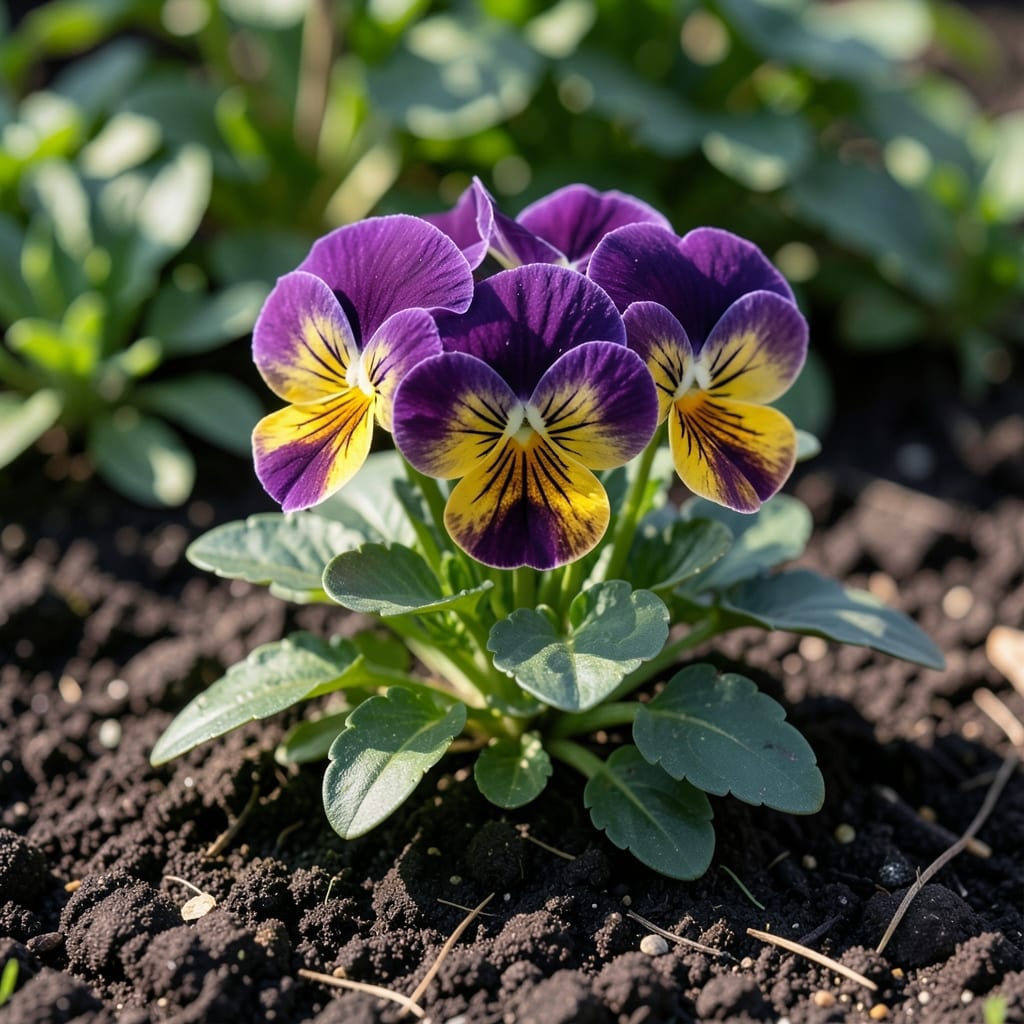
There’s something magical about watching 🌸 Pansies burst into color, turning a dull garden into a vibrant masterpiece. But how long can you actually enjoy their beauty?
I’ve seen gardeners disappointed when their blooms fade too soon, not realizing how climate and care play a role. The good news? With the right approach, you can stretch their lifespan far beyond what you might expect.
Discover the simple tricks to keep your Pansies thriving and blooming for as long as possible.
If you’ve ever planted pansies and wondered why they thrive in one season but fade quickly in another, you’re not alone. These hardy flowers have a lifespan that varies wildly based on climate and seasonal conditions. In cooler regions, they often behave as short-lived perennials, while in warmer areas, they’re treated as annuals.
I’ve seen pansies last for multiple seasons in USDA zones 6-9 when given proper care, but their blooming cycles can be cut short by extreme heat or frost. Understanding these nuances helps you plan their placement and care for maximum longevity.
| Climate | Lifespan | Blooming Season |
|---|---|---|
| Cool (Zones 4-6) | 2-3 years (perennial) | Spring & Fall |
| Moderate (Zones 7-9) | 1-2 years (biennial) | Winter & Spring |
| Warm (Zones 10+) | 1 season (annual) | Fall to Spring |
In cool climates, pansies can survive frost and even light freezes, often reblooming after a cold snap. Their ability to tolerate 25°F (-4°C) makes them ideal for early spring or late fall planting. I’ve had success with pansies lasting through multiple winters when mulched properly.
However, in warmer climates, pansies struggle with heat stress. Once temperatures consistently rise above 80°F (27°C), their blooms often wilt prematurely. In these regions, they’re typically grown as cool-season annuals, planted in fall and removed by late spring.
The key to extending their lifespan lies in microclimates. Planting pansies in shaded areas during hot afternoons or using container gardens that can be moved to cooler spots can make a dramatic difference. I’ve found that pansies in partial shade often outlast those in full sun by several weeks.
Soil conditions also play a role. Pansies prefer well-draining soil with organic matter. In areas with heavy clay or poor drainage, their roots can rot, significantly shortening their lifespan. Amending the soil with compost before planting can give them a strong start.
Watering practices affect longevity too. While pansies need consistent moisture, overwatering can be just as harmful as drought. I recommend checking soil moisture 1 inch deep before watering—if it’s dry, it’s time to water; if it’s damp, wait another day.
Fertilization can also impact how long pansies last. A balanced fertilizer applied every 4-6 weeks during the growing season encourages strong growth and prolonged blooming. Just
Finally, deadheading spent blooms regularly can extend the blooming period. This simple practice prevents the plant from putting energy into seed production and instead directs it toward creating new flowers. I’ve noticed pansies that are deadheaded weekly often bloom 2-3 times longer than those left untended. 🌷
If you want your pansies to bloom longer, a little extra care goes a long way. With the right techniques, you can enjoy their vibrant colors for weeks or even months beyond their typical season. I’ve found that consistent attention to their needs makes all the difference.
These flowers thrive with simple but regular maintenance. From watering to pruning, small adjustments in your routine can significantly extend their blooming period and keep them looking their best.
Deadheading is one of the most effective ways to extend blooming. By removing faded flowers, you prevent the plant from using energy to produce seeds, redirecting it toward new blooms. I do this every few days for the best results.
Watering is another critical factor. Pansies prefer consistent moisture, so I check the soil daily during hot weather. If the top inch feels dry, it’s time to water. Avoid overhead watering to reduce the risk of fungal diseases.
A balanced fertilizer applied every 4-6 weeks can work wonders. I use a 10-10-10 formula to provide essential nutrients without overfeeding. Too much fertilizer can lead to leafy growth at the expense of flowers.
In warmer climates, afternoon shade is a game-changer. Pansies can handle morning sun but often wilt under intense afternoon heat. I’ve had great success planting them where they get 4-6 hours of sun followed by shade.
Finally, a light layer of mulch helps retain moisture and keeps roots cool. Use organic materials like straw or compost to also improve soil quality as they break down over time.