
Beautiful Plants For Your Interior
Beautiful Plants For Your Interior
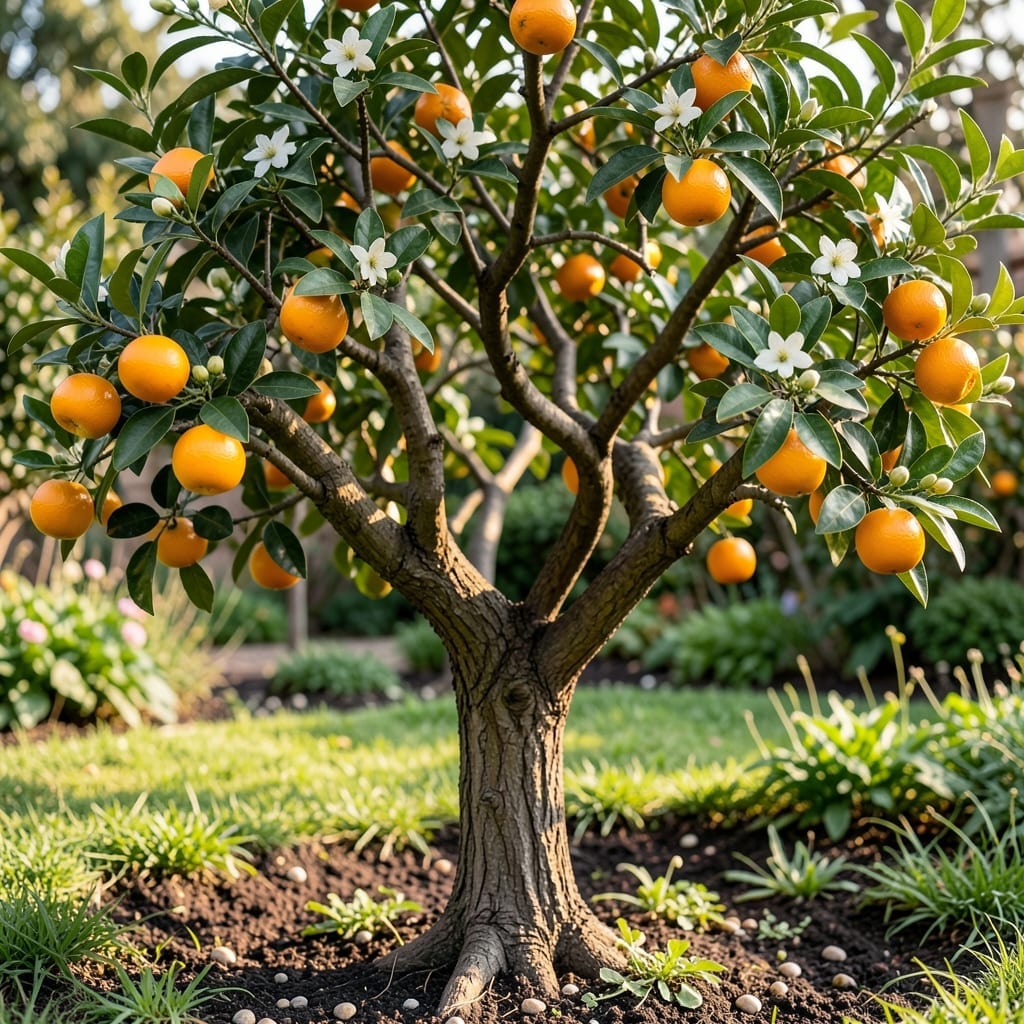
Patience is the name of the game when growing a 🍊 Orange Tree. Many gardeners are surprised to learn that this citrus favorite doesn’t produce fruit overnight.
From planting a young sapling to enjoying your first harvest, the journey can span several years. But understanding the growth stages makes the wait much more rewarding.
Discover the typical timeline for Orange Trees in zones 9-11, and learn what you can do to support healthy development every step of the way.

If you’re planting a young orange tree sapling, expect a journey of 3 to 6 years before your first harvest. This timeline can feel long, but each growth stage builds the foundation for a healthy, fruit-bearing tree.
From seed, the wait is even longer—often 7 to 10 years—as the tree matures from a fragile sprout to a sturdy producer. Climate, variety, and care all play a role in how quickly your tree develops.
| Stage | Timeframe | Key Development |
| Germination | 2-4 weeks | Sprouts emerge from seeds in warm, moist soil |
| Juvenile | 1-3 years | Rapid leaf and branch growth, no fruit |
| Early Maturity | 4-5 years | First blooms appear, potential for early fruit |
| Full Maturity | 6-10 years | Consistent fruit production begins |
Navel oranges often fruit faster, sometimes in as little as 3-4 years, while Valencia oranges may take closer to 6-7 years. The variety you choose directly impacts your timeline.
Climate zone matters too. In warm USDA zones 9-11, trees grow faster with consistent warmth. Cooler areas slow development, sometimes adding 1-2 extra years to reach maturity.
I’ve seen gardeners in Southern California get fruit in 4 years, while those in marginally suitable climates wait 8+ years. Your local conditions are just as important as the tree variety.
Soil quality and watering habits can shave time off your wait. Well-draining, slightly acidic soil with regular, deep watering encourages steady growth. Poor drainage or inconsistent moisture can delay maturation.
Don’t forget fertilization. A balanced 10-10-10 fertilizer applied every 4-6 weeks during the growing season provides essential nutrients. I recommend feeding in early spring and late summer for best results.
Pruning also plays a role. Removing dead or crossing branches directs energy toward fruit production rather than unnecessary foliage. I prune my trees in late winter before new growth starts.
Remember, even after your tree matures, fruit quality improves with age. The first harvests may be smaller or less sweet, but they’ll get better each year as your tree establishes itself.
While you can’t rush nature, you can optimize growing conditions to encourage your orange tree to mature faster. The right care can shave 1-2 years off your wait time for that first delicious harvest.
I’ve found that proper site selection makes the biggest difference. Choose a sunny spot with at least 6-8 hours of direct sunlight daily. South-facing locations work best in the Northern Hemisphere.
Avoid overwatering, which can lead to root rot and stunted growth. I check soil moisture by sticking my finger 2 inches deep—if it’s dry, it’s time to water.
Mulching helps too. Apply a 2-3 inch layer of organic mulch around the base, keeping it 6 inches away from the trunk. This retains moisture and regulates soil temperature.
Don’t neglect pest control. Aphids, scale, and citrus leaf miners can stress your tree. I use neem oil as a natural preventive treatment every 2-3 weeks during growing season.
Remember that container-grown trees often fruit faster than in-ground ones. They benefit from controlled conditions and can be moved to optimal spots. Just ensure your pot has good drainage and is at least 15 gallons in size.
Finally, be patient with pruning. While it’s tempting to shape your tree early, wait until it’s 3-4 years old before doing major cuts. This gives it time to establish a strong structure before you start directing its growth.