
Beautiful Plants For Your Interior
Beautiful Plants For Your Interior
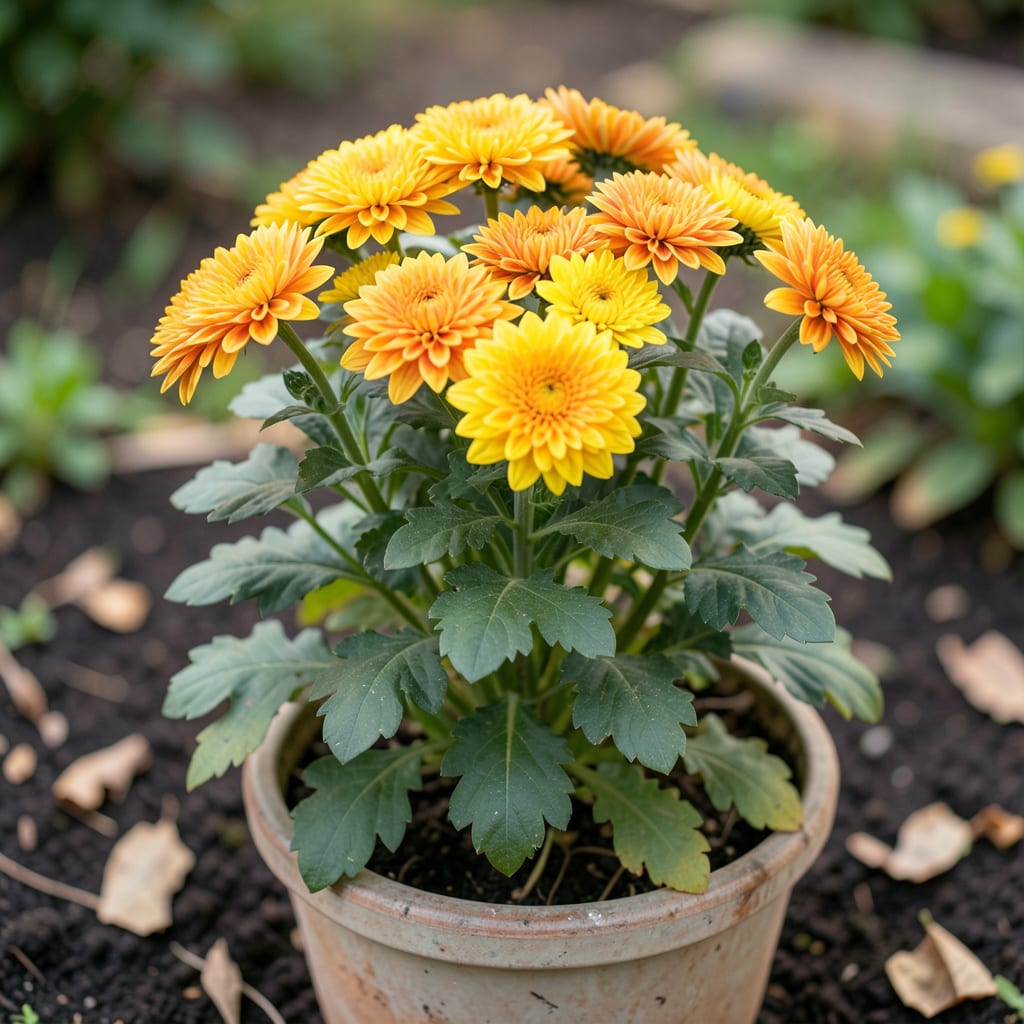
As fall approaches, Chrysanthemum 💐 becomes the star of many gardens, but how long can you expect these beautiful flowers to bloom? The blooming period of mums depends on several factors, including the variety, climate, and care they receive.
In USDA Zone 6, mums typically bloom for 6-8 weeks when properly cared for. By understanding the factors that affect their blooming duration, you can enjoy these gorgeous flowers for longer – let’s explore the details.
Mums are a popular fall flower, and their blooming period is a crucial aspect of their appeal. Typically, mums bloom for 6-8 weeks, but this duration can vary depending on several factors. Understanding these factors can help you plan your garden’s seasonal display and enjoy your mums for longer 🌼.
The blooming period of mums is influenced by the variety, climate, and care they receive. Different mum varieties have distinct blooming periods, ranging from early to late season bloomers. Climate also plays a significant role, as mums thrive in cooler temperatures and may be sensitive to extreme weather conditions 🌡️.
In USDA Zone 6, mums typically bloom from late August to early October, providing a vibrant display of color during the fall season. To maximize their blooming period, it’s essential to choose a variety that suits your local climate and provide optimal care 🌿.
Some mum varieties are bred for longer blooming periods, while others may have a more compact blooming season. Understanding the specific needs and characteristics of your mum variety can help you make informed decisions about their care and maintenance 📚.
Mums are sensitive to frost, so their blooming period may be cut short if they’re exposed to freezing temperatures. In areas with early frosts, mums may bloom for a shorter duration, while in milder climates, they may bloom for longer 🌟.
To extend the blooming period of mums, gardeners can employ various care practices. Deadheading, or removing spent flowers, can encourage mums to produce more blooms. Additionally, providing adequate sunlight, water, and fertilizer can promote healthy growth and flowering 🌻.
Mums generally require full sun to produce an abundance of flowers. However, some varieties may tolerate partial shade. Understanding the specific sunlight requirements of your mums can help you optimize their placement in the garden ☀️.
Fertilization is another critical aspect of mum care. Using a balanced fertilizer can promote healthy growth and flowering. However, it’s essential to avoid over-fertilizing, as this can lead to weak growth and reduced blooming 📊.
By understanding the factors that affect mum bloom duration and implementing proper care practices, gardeners can enjoy these beautiful flowers for a longer period. Whether you’re a seasoned gardener or just starting out, mums are a great addition to any garden, providing a vibrant display of color and beauty 🌼.
In summary, mums typically bloom for 6-8 weeks, but their blooming period can be influenced by various factors, including variety, climate, and care practices. By choosing the right variety and providing optimal care, you can enjoy your mums for longer and create a stunning fall display in your garden 🎉.
To maximize the blooming period of your mums, it’s essential to provide proper care and attention. By following a few simple tips, you can enjoy these beautiful flowers for longer and create a stunning fall display in your garden 🌼.
One of the most effective ways to extend the blooming season of mums is through deadheading. This involves removing spent flowers to encourage the plant to produce more blooms. By deadheading regularly, you can promote continuous flowering and keep your mums looking their best 💐.
Mums require consistent moisture to produce an abundance of flowers. Water them regularly, but avoid overwatering, which can lead to root rot and other problems 💧.
Mums generally require full sun to produce an abundance of flowers. Ensure they receive at least 6 hours of direct sunlight per day ☀️.
Using a balanced fertilizer can promote healthy growth and flowering. Fertilize your mums every 4-6 weeks during the growing season 📊.
In addition to these tips, it’s essential to monitor your mums’ health and address any issues promptly. Keep an eye out for signs of pests or diseases, and take action quickly to prevent them from spreading 🌿.
By following these expert tips and providing your mums with the care they need, you can enjoy a longer blooming season and a more vibrant display of color in your garden 🌼.
Some other factors to consider when trying to extend the blooming season of mums include soil quality and temperature. Mums prefer well-draining soil and cooler temperatures, so ensure you’re providing them with the right conditions 🌡️.
With proper care and attention, you can enjoy your mums for 6-8 weeks or more, depending on the variety and climate. By following these tips and being mindful of your mums’ needs, you can create a stunning fall display that will be the envy of your neighbors 🎉.
In summary, extending the blooming season of mums requires a combination of proper care practices, including deadheading, watering, sunlight, and fertilization. By following these expert tips, you can enjoy a longer and more vibrant display of color in your garden 🌼.
When growing mums, gardeners often make mistakes that can significantly shorten their blooming period. Understanding these common errors can help you avoid them and enjoy your mums for longer 🌼.
One of the most common mistakes is improper planting time. Mums need to be planted at the right time to establish themselves before blooming. Planting too late in the season can result in a shorter blooming period 📆.
Common errors like insufficient care and ignoring pests can dramatically reduce mum blooming periods.
Insufficient care is another critical mistake. Mums require consistent watering, adequate sunlight, and regular fertilization to bloom well. Neglecting these needs can lead to weak plants with shorter blooming periods 🌿.
Pests and diseases can also significantly impact mum blooming. Common pests include aphids, spider mites, and leaf miners. Regular monitoring and prompt action are necessary to prevent infestations 🐜.
To avoid these mistakes, it’s essential to plant mums at the right time, typically in spring or late summer. Providing optimal care and monitoring for pests and diseases can help ensure a longer and more vibrant blooming period 🌼.
By being aware of these common mistakes and taking steps to avoid them, you can enjoy your mums for a longer period and create a stunning fall display in your garden 🎉.
In summary, avoiding common mistakes like improper planting time, insufficient care, and ignoring pests can help extend the blooming period of mums. By providing optimal care and attention, you can enjoy these beautiful flowers for longer 🌼.
Mums typically bloom for 6-8 weeks, but this can vary depending on factors like variety, climate, and care. In USDA Zone 6, they usually bloom from late August to early October. Proper care can help extend their blooming season .
To extend the blooming period,
What are common mistakes that shorten mum bloom periods? Common mistakes include improper planting time, insufficient care, and ignoring pests and diseases. Planting at the right time, typically in spring or late summer, and providing optimal care can help ensure a longer blooming period .
Mums are sensitive to frost, so their blooming period may be cut short if they’re exposed to freezing temperatures. In areas with early frosts, mums may bloom for a shorter duration, while in milder climates, they may bloom for longer .
